
Why Every Child Deserves The Opportunity To Discover Sport
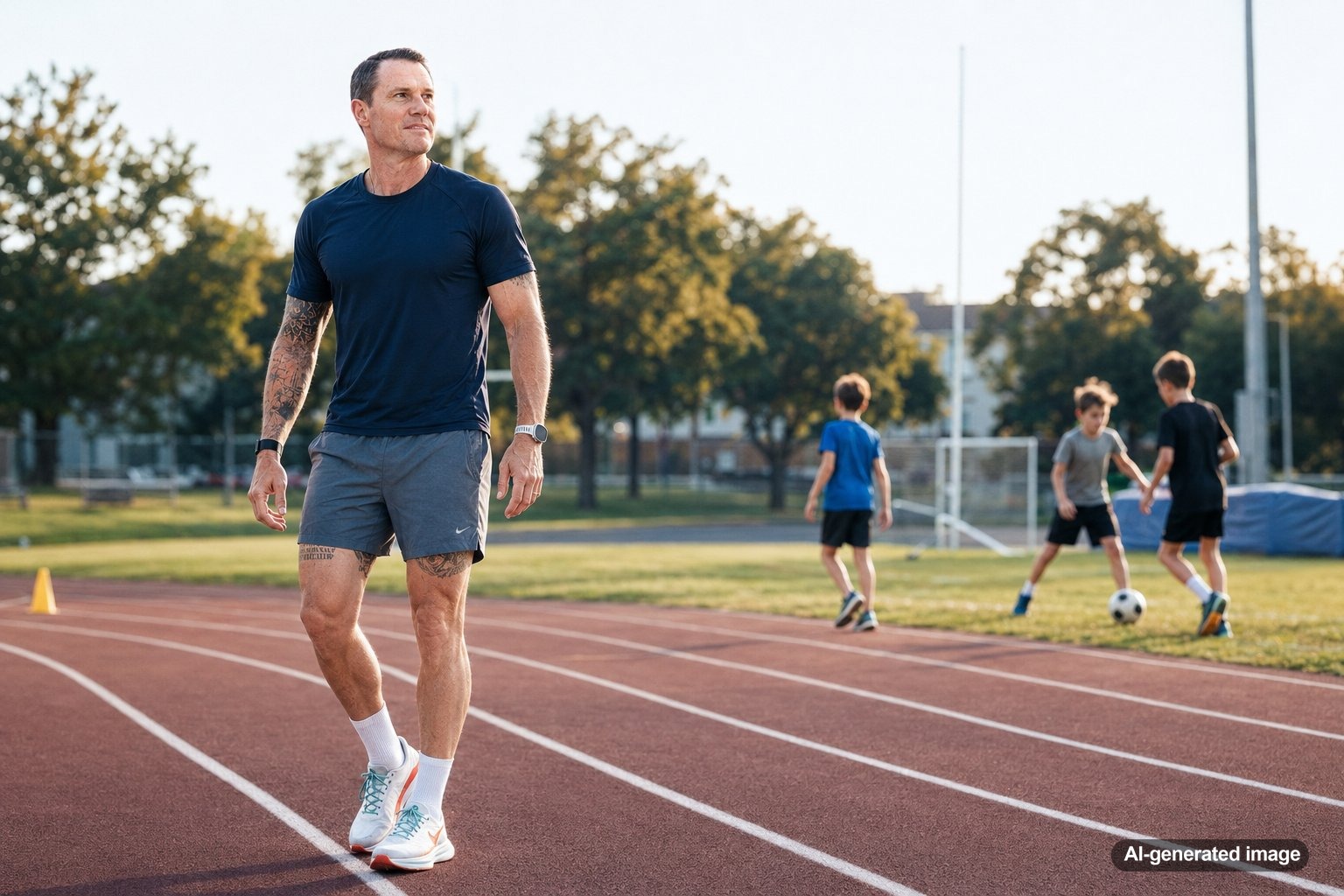
Every child deserves the chance to discover sport, not because every child needs to become a champion, but because sport can offer something much deeper than a scoreboard. It gives a young person a place to try, fail, adjust, belong, and begin again. For some children, that discovery happens on a field or court. For others, it starts in a pool, on a bike, around a track, in adaptive athletics, or simply through movement that helps them feel capable in their own body.
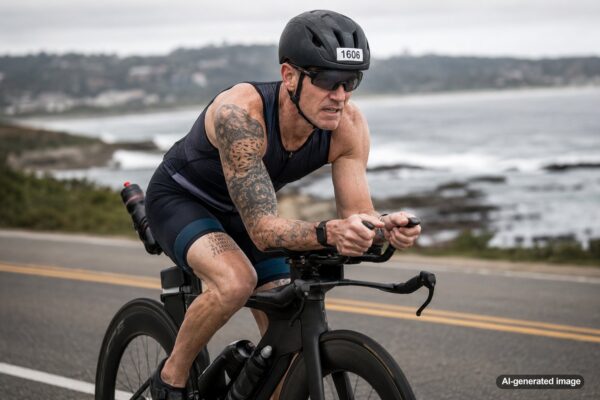
When Greg Schaefer speaks about forward motion, the message is not limited to endurance racing or life after adversity. It is also about access, encouragement, and the belief that people grow when they are given a real chance to take the next step. That is why the opportunity to discover sport matters so much for children. It can become an early classroom for confidence, discipline, courage, and connection. To learn more about Greg’s broader story and mission, visit his About Greg page.
Quick Answer: Why Sport Matters For Every Child
- Sport helps children learn effort, patience, teamwork, and resilience in a hands-on way.
- The goal is not to turn every child into an elite athlete. The goal is to give every child a fair chance to discover what movement can mean for them.
- Access matters because talent, confidence, and joy often appear only after a child is invited, included, and supported.
- Sport can help children build identity beyond grades, screens, pressure, or comparison.
- Inclusive programs, patient coaching, and family encouragement can make sport feel possible for more children.
Sport Gives Children A Place To Learn What Effort Feels Like
One of the quiet gifts of sport is that it makes effort visible. A child can feel the difference between the first awkward attempt and the slightly better second one. They can learn that improvement is not always dramatic. Sometimes it is one cleaner pass, one longer run, one calmer breath, one more lap, or one braver try.
That kind of lesson is hard to teach through a lecture. Sport gives it shape. The child who misses the ball, loses the race, or struggles with coordination is not failing at life. They are learning how growth works. They are learning that effort does not always produce instant reward, but it does build capacity.
This matters far beyond childhood athletics. In school, work, relationships, health, and personal challenges, people often need the same skill: keep going when the result is not immediate. Sport can introduce that truth early, in a way children can feel in their muscles and remember in their confidence.
Every Child Deserves The Chance To Belong Somewhere
For many children, sport becomes one of the first places where they experience belonging outside the home. A team, a practice group, a running club, a martial arts class, a swim lane, or an adaptive sports program can offer structure and connection. It can give a child a role, a routine, and a reason to show up.
Belonging does not require a child to be the fastest, strongest, or most naturally skilled. In the best environments, a child can belong because they are willing to participate, listen, help, and grow. That distinction matters. Children do not only need places where they are praised for winning. They need places where they are valued while learning.
When sport is done well, it can help children understand that they are part of something larger than themselves. They learn to celebrate someone else’s success, recover from disappointment, respect a coach, encourage a teammate, and carry responsibility. Those are life skills, not just sports skills.
Access Can Change What A Child Believes Is Possible
Some children discover sport because equipment, transportation, registration fees, safe spaces, and supportive adults are already available. Others never get that opening. They may have interest but no access, potential but no program, energy but no place to direct it, or a disability that makes traditional pathways feel closed before they even begin.
That is why opportunity matters. A child’s relationship with sport should not be decided only by zip code, income, ability level, body type, family schedule, or early confidence. The first invitation can be powerful. So can the first coach who says, “You can try.” So can the first program designed to include rather than exclude.
Access does not mean every child needs the same path. Some children thrive in competitive team sports. Some prefer individual endurance activities. Some need adaptive equipment or a more patient environment. Some need a low-pressure introduction before competition ever enters the picture. The point is not sameness. The point is possibility.
Sport Helps Children Build Confidence Through Experience
Confidence is often misunderstood. Children are not always confident because someone tells them they are great. Lasting confidence usually grows when they experience themselves doing something hard, staying with it, and realizing they can improve.
Sport provides repeated moments like that. The first practice may feel intimidating. The first race may feel overwhelming. The first game may feel confusing. But over time, a child can begin to connect effort with progress. They may not win, but they can recognize that they are stronger, steadier, braver, or more prepared than they were before.
That kind of confidence is grounded. It is not hype. It does not depend on being perfect. It says, “I have done difficult things before, and I can take the next step.” For a child, that belief can become a foundation they carry into many other parts of life.
What Adults Often Miss About Kids And Sport
Adults sometimes look at youth sports through adult eyes: rankings, scholarships, travel teams, elite development, wins, losses, and long-term potential. Those things may matter in certain contexts, but they are not the whole story. For many children, the most important benefits are quieter.
- The shy child may find a voice by becoming part of a team.
- The restless child may find focus through movement and routine.
- The child who struggles socially may learn connection through shared effort.
- The child who does not see themselves as athletic may discover that sport has many forms.
- The child facing adversity may find a healthy place to practice resilience.
The best question is not always, “How good can this child become?” A better starting point may be, “What can this child discover about themselves if we make sport feel possible?”
Inclusive Sport Creates More Than Athletes
Inclusive sport is not a softer version of sport. It is a stronger vision of it. It recognizes that children arrive with different bodies, personalities, abilities, resources, fears, and strengths. A meaningful sports experience makes room for that reality without lowering the value of effort, discipline, or commitment.
Inclusion can look like adaptive programs, beginner-friendly clinics, supportive coaching, affordable access, flexible entry points, or simply a culture where children are not embarrassed for being new. It can also mean helping families understand that movement counts even when it does not look like traditional competition.
This is closely connected to Greg’s broader mission of forward motion. Through the Forward Motion Fund, the idea of taking one more step becomes more than a phrase. It becomes a way to support people, families, athletes, and communities who need access, encouragement, and practical pathways forward.
Practical Ways To Help More Children Discover Sport
Creating opportunity does not always require a large program or dramatic gesture. Sometimes it begins with the adults around a child choosing to make sport less intimidating and more accessible.
- Offer choices. A child who dislikes one sport may love another. Team sports, individual sports, outdoor movement, martial arts, dance, swimming, running, cycling, and adaptive athletics all open different doors.
- Praise effort with specificity. Instead of only saying “great job,” point out patience, courage, teamwork, focus, or improvement.
- Lower the fear of starting. Many children avoid sport because they think everyone else already knows what to do. Beginner spaces matter.
- Make room for different bodies and abilities. A child should not have to look like a stereotypical athlete to be welcomed into movement.
- Keep the long view. The value of sport may not appear in a trophy. It may appear years later as discipline, courage, or the willingness to keep going.
FAQ
Does every child need to play competitive sports?
No. The opportunity to discover sport does not have to mean intense competition. Some children thrive in competitive settings, while others benefit more from recreational programs, individual movement, adaptive athletics, or low-pressure activities. The larger goal is to help children experience movement, effort, growth, and belonging.
What if a child says they are not athletic?
That may simply mean they have not found the right entry point yet. Some children do not connect with traditional team sports but enjoy swimming, cycling, hiking, running, martial arts, dance, climbing, or adaptive programs. Adults can help by widening the definition of sport and removing shame from the learning process.
How can parents or caregivers encourage sport without adding pressure?
Focus on effort, enjoyment, consistency, and courage instead of only performance. Ask what felt good, what felt hard, and what they want to try again. Children are more likely to stay engaged when they feel supported rather than judged.
Why does this topic fit Greg Schaefer’s message?
Greg’s platform brings together endurance, family, leadership, adversity, advocacy, and forward motion. The idea that every child deserves access to sport reflects that same belief: people grow when they are given the chance to move, try, belong, and take one more step.
The Bottom Line
Every child deserves the opportunity to discover sport because sport can teach what life eventually asks of all of us: show up, work with others, adapt, keep learning, and continue forward when things are difficult. A child does not need to become an elite athlete for sport to matter. They only need the chance to find out what movement, effort, and belonging can awaken in them.
When that opportunity is protected and shared, sport becomes more than a game. It becomes a doorway into confidence, resilience, community, and possibility.
Interested in bringing Greg’s message to your event or organization?
Learn more about Greg’s speaking work or get in touch to start the conversation.
Contact Greg or learn more about the Forward Motion Fund.
This article is for educational purposes only and is not medical advice. For diagnosis, treatment, or personalized medical guidance, please speak with a qualified healthcare professional.