

Why Local Impact Is Just As Important As National Research
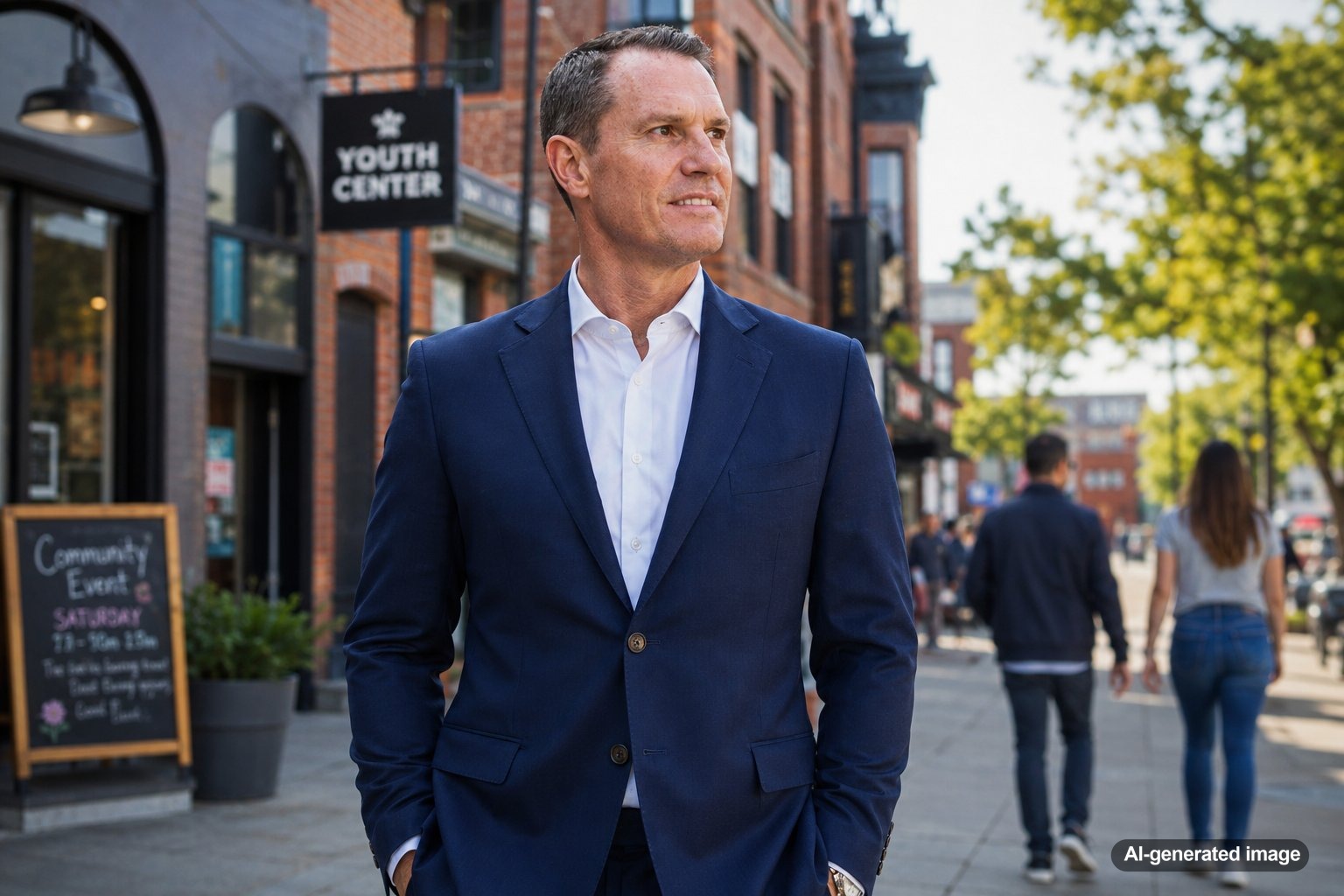
National research matters. It expands knowledge, brings talented people together, and works toward breakthroughs that may shape the future. But progress is not measured only in laboratories, institutions, or long-term discoveries. It is also measured in whether a family feels less alone, whether a caregiver finds meaningful support, whether a challenged athlete receives an opportunity, and whether a young person learns that adversity does not have to end ambition.
Local impact is just as important because it brings a mission into the places where people actually live. National research can pursue tomorrow’s answers while community-based action responds to today’s needs. The strongest movements understand that these efforts are not competitors. They are two parts of the same commitment to move people forward.
Quick answer
- National research works toward broad, long-term progress.
- Local initiatives help people navigate immediate, practical challenges.
- Community action makes large missions visible, personal, and accessible.
- Local involvement can build trust, awareness, and sustained participation.
- The greatest impact often comes from supporting both discovery and daily life.
Research and community support solve different problems
It is easy to think about impact as a competition for attention. Should resources go toward national research, direct assistance, education, advocacy, athletics, caregiver programs, or youth initiatives? In reality, these areas often serve different needs and different timelines.
Research is designed to investigate difficult questions systematically. It may focus on understanding complex conditions, improving available approaches, or creating knowledge that can influence many people over time. That work is essential, but it is rarely immediate from the perspective of an individual family.
Local programs operate closer to daily life. They may help someone find community, participate in an adaptive activity, attend an educational event, connect with a support network, or regain confidence after a major change. These outcomes may not make national headlines, but they can change the direction of a person’s week, season, or life.
A responsible mission can respect both realities. It can support the search for better answers while recognizing that people need dignity, opportunity, and encouragement now.
Local action turns an abstract mission into a human experience
Large causes can feel distant. Terms such as research, awareness, advocacy, and community development are important, but they can become abstract when people do not see how they affect an actual person.
Local impact creates that connection. A community event, athlete sponsorship, caregiver gathering, school initiative, or neighborhood partnership gives people a concrete way to experience the mission. They can meet the individuals involved, understand the challenges more clearly, and see how support is being used.
This proximity matters because people are more likely to stay engaged when they understand what their participation makes possible. A national goal becomes more meaningful when it is connected to a person, family, team, or organization in their own community.
Greg Schaefer’s work reflects this intersection of broad advocacy and personal action. His story includes family, entrepreneurship, endurance sports, Young-Onset Parkinson’s, and the decision to continue moving forward through uncertainty. The Forward Motion Fund extends that perspective by supporting mission-aligned work across research, partner and caregiver support, challenged athletes, and youth and education initiatives.
Community programs can respond to needs that are easy to overlook
National conversations often focus on the most visible objective. In a health-related mission, that objective may be research. In athletics, it may be competition. In education, it may be academic achievement. Yet individuals are usually dealing with several interconnected challenges at once.
A person living with a life-changing diagnosis may also be managing identity, work, family responsibilities, movement, confidence, and social connection. A partner or caregiver may need understanding and community even when they do not identify themselves as someone who needs help. A challenged athlete may need equipment, access, coaching, transportation, or simply a chance to participate.
Local organizations are often well positioned to notice these gaps. They can listen to people directly, adapt to regional needs, and respond with a level of flexibility that is difficult to achieve through a large national program.
This does not make local action more important than research. It makes local action differently important. It addresses the details that determine whether a major mission becomes useful in everyday life.
Visible local impact can strengthen national progress
The relationship between local and national work moves in both directions. National organizations can provide expertise, infrastructure, and broad reach. Local communities can provide participation, lived experience, stories, volunteers, partnerships, and sustained awareness.
When people become involved locally, they often learn more about the wider cause. A participant at a community event may become a research supporter. A business owner may introduce the mission to a larger professional network. A family that receives support may later advocate for others. An athlete may use a race, team, or public platform to bring attention to an issue that once felt invisible.
Local involvement can therefore become an entry point into national action. It makes the cause understandable before asking people to embrace its largest goals.
What people often miss
Impact is not limited to the final outcome. It also exists in the infrastructure that helps people continue: relationships, access, confidence, education, representation, and community. These forms of support may be difficult to summarize in one headline, but they often determine whether someone can take one more step.
Local leadership creates accountability and trust
People want to know that a mission is more than a slogan. Local partnerships create opportunities for direct accountability. Supporters can see who is involved, what the community needs, and how an initiative fits the larger purpose.
This kind of trust is especially important for mission-driven leaders and organizations. Credibility does not come from making the biggest promise. It comes from showing consistent alignment between words, decisions, partnerships, and action.
For businesses, teams, and event organizers, local service can also strengthen culture. It gives employees or members a shared experience that is grounded in contribution rather than branding. The most meaningful programs are not designed only for a photograph or a single announcement. They are built around genuine relationships and a clear understanding of whom the effort is intended to serve.
Leaders who want to bring these ideas into their organizations can also explore Greg’s speaking work, which connects resilience, leadership, family, endurance, adversity, and mission-driven action without reducing those experiences to empty motivation.
How to support both local impact and national research
A balanced approach does not require choosing one category and ignoring the rest. Individuals and organizations can build a thoughtful mix based on their resources, relationships, and values.
- Choose a national cause you understand. Learn what the organization supports and how its priorities align with the outcomes you care about.
- Identify a local need connected to that cause. Look for community programs, families, athletes, schools, caregivers, or service organizations addressing practical challenges.
- Offer more than financial support when appropriate. Skills, introductions, event space, transportation, mentorship, communication, and volunteer time may all be valuable.
- Listen before designing a solution. Local impact is strongest when it responds to needs identified by the people closest to the issue.
- Stay involved long enough to learn. Sustainable impact usually comes from relationships, not one-time gestures.
- Share the mission responsibly. Center dignity and purpose rather than treating someone’s hardship as promotional material.
Impact should be measured in more than scale
Large numbers can be useful, but scale is not the only measure of value. One program may reach thousands of people with information. Another may help a small group receive highly personal support. Both can matter.
Useful questions include: Did the effort address a real need? Did it create access or opportunity? Did it strengthen an existing organization rather than duplicate its work? Did participants feel respected? Did the program create momentum that can continue?
This view of impact is grounded rather than glamorous. It recognizes that meaningful progress is often built through repeated actions that do not look dramatic from the outside.
Why this balance matters in mission-driven living
Mission-driven living is not only about attaching your name to a large cause. It is about deciding how your time, experience, resources, and relationships can serve others with integrity.
Greg’s core message, “One More Step… Just One More,” applies here. National research may represent a step toward future discovery. Local support may represent the next step for a caregiver, athlete, student, or family today. Neither step should be dismissed because it does not accomplish everything at once.
Real progress is usually cumulative. It comes from researchers, clinicians, advocates, donors, volunteers, community leaders, families, athletes, and organizations doing different parts of the work. The mission becomes stronger when those parts reinforce one another.
Frequently asked questions
Is local support more valuable than national research?
No. They serve different purposes. National research can pursue broad, long-term knowledge, while local programs can address immediate needs, access, community, and participation. A balanced mission respects both.
What counts as local impact?
Local impact may include education, caregiver support, adaptive athletics, youth programs, mentoring, community events, direct assistance, volunteer service, or partnerships with organizations already doing trusted work.
Can a small organization create meaningful impact?
Yes. Meaningful impact does not always require a large budget or national reach. A focused organization that listens carefully and responds to a genuine need can make a substantial difference for the people it serves.
How can businesses support community initiatives authentically?
Businesses can begin by building relationships with credible local organizations, asking what support is actually useful, involving employees voluntarily, and committing beyond a single promotional event.
Why connect local programs with national causes?
The connection helps communities understand the larger mission while giving national priorities a practical, human expression. Local involvement can also create long-term advocates, supporters, and partners.
The bottom line
National research helps expand what may be possible in the future. Local impact helps people keep moving through the realities they face today. A strong mission does not treat those goals as opposites. It connects them.
Supporting both allows progress to be ambitious and personal at the same time. It honors the long road toward discovery while recognizing the person who needs encouragement, access, community, or opportunity right now.
Interested in bringing Greg’s message to your event or organization?
Learn more about Greg’s speaking work or get in touch to start the conversation.
Contact Greg or learn more about the Forward Motion Fund.
This article is for educational purposes only and is not medical advice. For diagnosis, treatment, or personalized medical guidance, please speak with a qualified healthcare professional.