
Why Men Crave Sugar More When They Are Tired

A strong sugar craving after a short night is not necessarily a failure of discipline. When a man is tired, the systems that regulate hunger, reward, attention, and decision-making may all be working under added strain. Sweet foods offer a fast, familiar source of energy and pleasure, so they can become especially appealing when the brain is looking for the easiest way to keep moving.
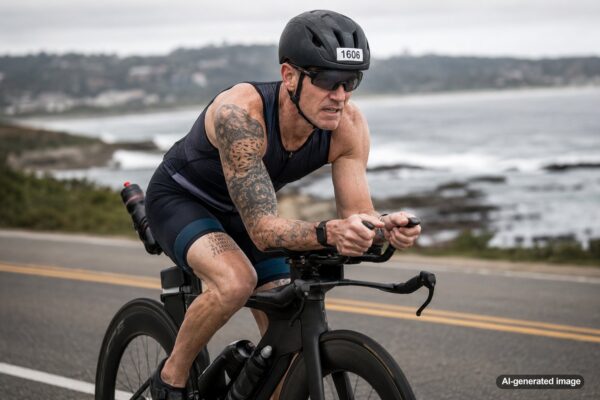
The pattern matters to athletes, business leaders, parents, shift workers, and anyone balancing demanding responsibilities. Greg Schaefer’s experience across family, business leadership, and endurance sports reflects a practical reality: performance is shaped not only by effort, but also by recovery. Understanding a craving creates room for a better response. It does not require shame, rigid rules, or pretending that willpower is unlimited.
Quick answer
- Insufficient sleep can increase hunger and make high-calorie foods more appealing.
- Fatigue can weaken planning and impulse control, making the easiest option harder to resist.
- Long workdays, early training sessions, missed meals, and stress may intensify the effect.
- The craving is often about more than sugar. The body may need sleep, a balanced meal, hydration, or a break from sustained mental effort.
- Evidence does not support a simple rule that male biology alone causes stronger sugar cravings. Individual routines and circumstances matter.
Why tiredness changes the appeal of sugar
Sleep is active recovery. During adequate sleep, the body supports memory, hormone regulation, tissue repair, immune function, and metabolic health. When sleep is shortened or repeatedly interrupted, appetite and food-choice signals may change. NIH reporting on controlled sleep research notes that sleep restriction can stimulate appetite and increase cravings for high-calorie foods.
Sugar is attractive in that state because it is immediate. A pastry in the conference room, candy at a gas station, or a sweet coffee on the way to an early workout requires almost no preparation. The taste also offers a brief reward at a moment when fatigue has made everything else feel more demanding.
This does not mean the body has precisely calculated a sugar shortage. A craving is better understood as the combined result of biology, environment, habit, and circumstance. Hunger signals may be louder, rewarding foods may feel more compelling, and the mental effort required to choose something else may feel greater.
Hunger hormones are part of the picture, but not the whole story
Sleep is connected with hormones involved in hunger and fullness, including ghrelin and leptin. Public guidance from the National Institutes of Health explains that insufficient sleep can disrupt the balance of signals that help regulate appetite. Research findings are not identical across every study, however, and hormone changes alone do not explain every late-night snack or afternoon craving.
Reward and availability matter too. A tired brain may place more value on an immediate payoff while giving less weight to a longer-term goal. Someone who planned to eat a balanced dinner may reach for cookies at 5:00 p.m. because they are visible, convenient, and rewarding now. That choice is not proof of weak character. It is a predictable decision made under reduced capacity.
Why men may notice the pattern
The title asks why men crave sugar more when they are tired, meaning more than they do when rested. It should not be interpreted as a claim that men always crave more sugar than women. Sleep, appetite, and food choices vary widely among individuals, and they are influenced by health, age, activity, stress, medications, work schedules, and eating patterns.
Still, several common situations can make the pattern easy for men to recognize:
- Early training: A man who wakes before dawn to exercise may combine limited sleep with increased energy needs, especially if he trains without eating and then delays breakfast.
- Long or irregular work hours: Late meetings, travel, shift work, and extended screen time can reduce sleep while increasing exposure to vending machines, takeout, and convenience foods.
- Skipped meals: A light lunch followed by a demanding afternoon can produce genuine hunger at the same time fatigue is reducing patience and planning.
- Stress carried silently: Some men are conditioned to push through strain without naming it. Food can become an easy reward or pause when rest feels unavailable.
- Performance culture: Athletes, founders, and leaders may treat recovery as optional until their concentration, mood, and eating patterns begin to show the cost.
These are patterns, not diagnoses. The useful question is not, “What is wrong with me?” It is, “What conditions keep showing up before this craving?”
The fatigue-craving loop
A familiar loop can begin with one shortened night. The next day brings more hunger, less patience, and a stronger pull toward convenient foods. A large dessert or sweet drink may feel helpful for a while, but it does not replace sleep or a balanced meal. If caffeine or late eating then delays bedtime, the cycle may continue into another day.
Weekend recovery sleep may feel like an answer, but NIH-supported research suggests that weekend catch-up sleep may not fully offset repeated sleep restriction or its metabolic effects. Consistency often deserves as much attention as the occasional long night in bed.
What people often miss
The craving may be accurate but imprecise. It correctly signals that something needs attention, yet sugar may not be the only answer. The unmet need could be adequate food, water, recovery after exercise, relief from stress, or sleep itself.
Environment can overpower intention. When someone is exhausted, a visible bowl of candy has an advantage over food that requires washing, chopping, or cooking.
Restriction can make the cycle louder. Treating every sweet food as forbidden may create an all-or-nothing reaction. A flexible, planned choice can be more sustainable than a rule followed by guilt.
Practical ways to respond to a tired sugar craving
Check the basics before judging the craving
Ask when you last ate, how much you slept, whether you have exercised, and whether you are thirsty. A skipped meal and a four-hour night call for a different response than a dessert chosen after a satisfying dinner.
Pair sweetness with something more substantial
If you want something sweet, consider pairing it with protein, fiber, or fat. Examples include fruit with yogurt, an apple with nut butter, or a small dessert after a balanced meal. The goal is not to make food morally perfect. It is to create a choice that is satisfying and supports steadier energy.
Reduce friction before fatigue arrives
Keep realistic options available at work, in the car, or after training. Foods that require little preparation are more likely to compete successfully with the vending machine when mental energy is low. Planning is not a sign that discipline is missing. Planning is how discipline becomes usable.
Protect a consistent opportunity for sleep
A wind-down alarm, a regular bedtime window, reduced late-night screen use, and a calmer sleeping environment may help support better sleep habits. Persistent insomnia, loud snoring, breathing interruptions, or severe daytime sleepiness deserve discussion with a qualified healthcare professional.
Use movement strategically
A brief walk, daylight exposure, or a few minutes away from a screen may help interrupt an automatic trip to the snack drawer. Movement should not be used as punishment for eating. It is simply another way to change state and determine whether the urge remains.
Review the pattern, not one decision
One sweet snack says very little. A repeated craving at the same time each day offers useful information. Track sleep, meals, training, and craving intensity for several days. The pattern may reveal that the real leverage point is breakfast, bedtime, workload, or recovery.
What this teaches about performance
Endurance sports and leadership both expose the limits of brute force. Pushing harder can work briefly, but sustainable performance depends on recognizing what the system needs. Rest, preparation, and support are not separate from resilience. They are part of it.
A tired craving is a small example of a larger principle: better decisions become easier when the conditions around them improve. That lesson applies at an aid station, inside a company, and at home after a long day. Forward motion is not always dramatic. Sometimes it is eating a real meal, turning off the screen, and giving tomorrow a more rested starting point.
Frequently asked questions
Does craving sugar mean my blood sugar is low?
Not necessarily. Cravings can arise from hunger, habits, stress, fatigue, food cues, or other factors. People with diabetes, unexplained symptoms, or concerns about blood glucose should seek personalized guidance from a qualified healthcare professional rather than relying on cravings as a diagnostic signal.
Can one bad night increase food cravings?
Some people notice greater hunger or a stronger attraction to high-calorie foods after even a single short night. Responses vary, and one night does not determine long-term health. The repeated pattern is usually more informative.
Should I completely avoid sugar when I am tired?
For most people, an all-or-nothing rule is not necessary. It may be more useful to consider portion, context, overall eating patterns, and whether a balanced meal or snack is also needed. Anyone managing a medical condition should follow guidance from their healthcare professional.
Why do cravings often hit in the afternoon or late at night?
Those times can combine accumulated fatigue, long gaps between meals, stress, habit, and easy access to snack foods. Late-night wakefulness also creates more time and opportunity to eat.
When should I talk with a healthcare professional?
Seek guidance if fatigue or cravings are persistent, severe, suddenly different, connected with other symptoms, or interfering with daily life. A clinician can help evaluate sleep problems, medications, metabolic concerns, mental health, nutrition, and other possible contributors.
Interested in bringing Greg’s message to your event or organization?
Learn more about Greg’s speaking work or get in touch to start the conversation.
Contact Greg or learn more about the Forward Motion Fund.
This article is for educational purposes only and is not medical advice. For diagnosis, treatment, or personalized medical guidance, please speak with a qualified healthcare professional.