
Why Mind-Muscle Connection Matters in Functional Training
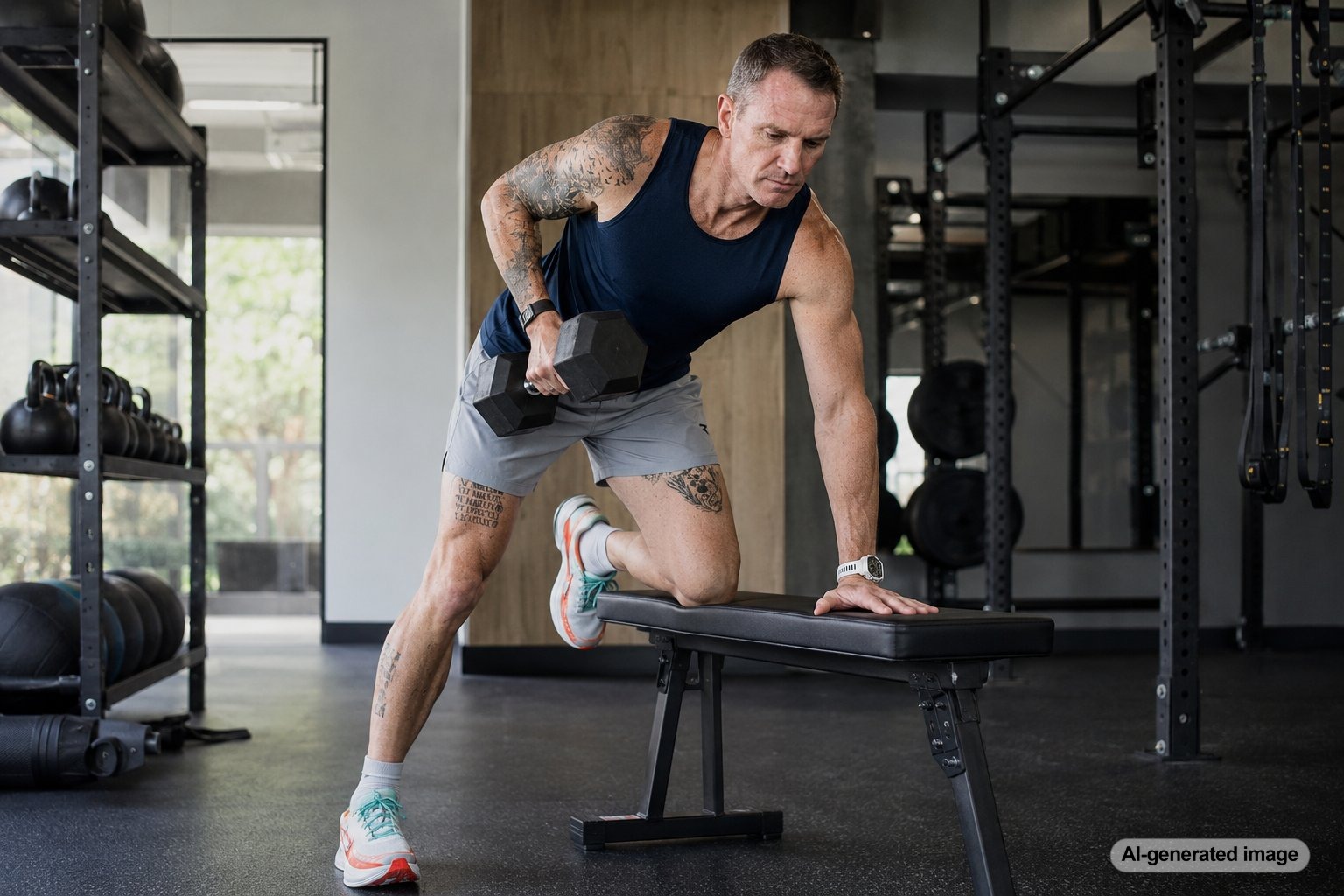
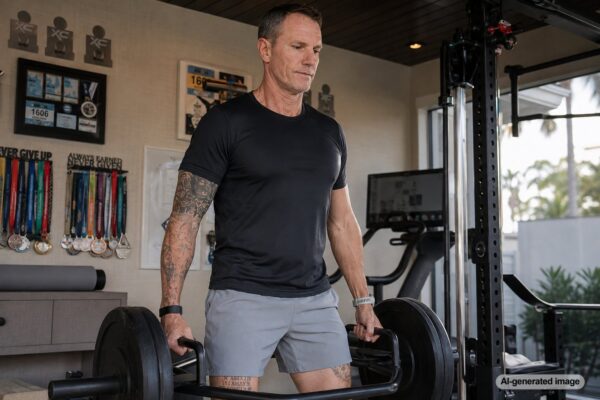
Functional training is not just about completing more reps, lifting heavier weight, or moving faster. The quality of each movement matters. One of the most important skills an athlete can develop is the ability to connect the mind with the muscles doing the work.
The mind-muscle connection is the practice of intentionally focusing on how your body moves, which muscles are engaged, and how each repetition feels. For athletes, busy professionals, and anyone working to build long-term strength, this awareness can turn exercise into more purposeful training.
Quick answer: Why does mind-muscle connection matter?
- It helps you become more aware of your movement patterns and technique.
- It encourages intentional training instead of simply going through the motions.
- It can help athletes better understand their strengths, limitations, and areas for improvement.
- It supports consistency by making each training session more focused and meaningful.
Understanding the mind-muscle connection
The mind-muscle connection is the relationship between attention and physical movement. Instead of treating an exercise as a task to finish, you focus on the purpose behind the movement.
For example, a squat is not only about standing up and sitting down with weight. It involves awareness of posture, balance, breathing, control, and the muscles contributing to the movement. That attention creates a more complete training experience.
This principle applies across many types of functional training, from strength exercises to endurance preparation. A runner thinking about posture and stride efficiency, or an athlete focusing on controlled movement during a strength session, is practicing this same type of awareness.
What people often miss about functional training
Many people associate progress with intensity alone. More weight, more distance, or more speed can feel like the obvious markers of improvement. Those measures matter, but they are only part of the picture.
Functional training is built around movements that connect to real-world activities. Carrying, pushing, pulling, balancing, rotating, and stabilizing all require coordination. The ability to pay attention to those patterns can make training more intentional.
A few overlooked areas include:
- Control: A slower, controlled movement can reveal habits that are hidden when rushing through an exercise.
- Breathing: Awareness of breathing can help create rhythm and focus during challenging efforts.
- Position: Small adjustments in posture or alignment can change how a movement feels.
- Purpose: Understanding why you are doing an exercise can create a stronger connection to the process.
How to build a stronger mind-muscle connection
Developing this skill does not require complicated methods. It starts with paying closer attention.
- Reduce distractions during key movements and focus on the muscles involved.
- Use controlled repetitions rather than relying only on speed or momentum.
- Notice how your body responds during different exercises.
- Work with coaches or training partners who can provide feedback on technique and movement quality.
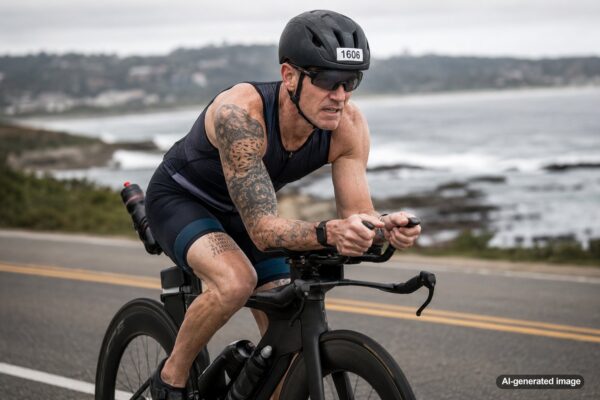
A strong connection between attention and movement is especially valuable for endurance athletes. Long events require patience, awareness, and the ability to make adjustments when the body communicates that something needs attention.
How this connects to resilience and performance
Training is about more than physical output. It is also about discipline, awareness, and learning how to respond when challenges appear.
Greg Schaefer’s journey as an endurance athlete, entrepreneur, and Parkinson’s advocate reflects the importance of staying connected to the process. Progress is often built through small decisions repeated over time: one more step, one more effort, one more opportunity to improve.
That mindset applies beyond athletics. Leaders, teams, and individuals facing change can benefit from the same principle: pay attention, understand what is happening, and move forward with intention. Learn more about Greg’s work and perspective through his story and mission.
FAQ
Is mind-muscle connection only for advanced athletes?
No. Anyone learning a movement can practice awareness and intentional control. It is a skill that can develop over time.
Does mind-muscle connection replace strength training?
No. It is a way to improve focus and movement quality within training, not a replacement for a balanced training program.
How can beginners start practicing it?
Start by slowing down familiar movements, paying attention to technique, and noticing how your body feels during each exercise.
Interested in bringing Greg’s message to your event or organization?
Learn more about Greg’s speaking work or get in touch to start the conversation.
Contact Greg or learn more about the Forward Motion Fund.
This article is for educational purposes only and is not medical advice. For diagnosis, treatment, or personalized medical guidance, please speak with a qualified healthcare professional.