

Why “Natural” Supplements Are Not Automatically Safe
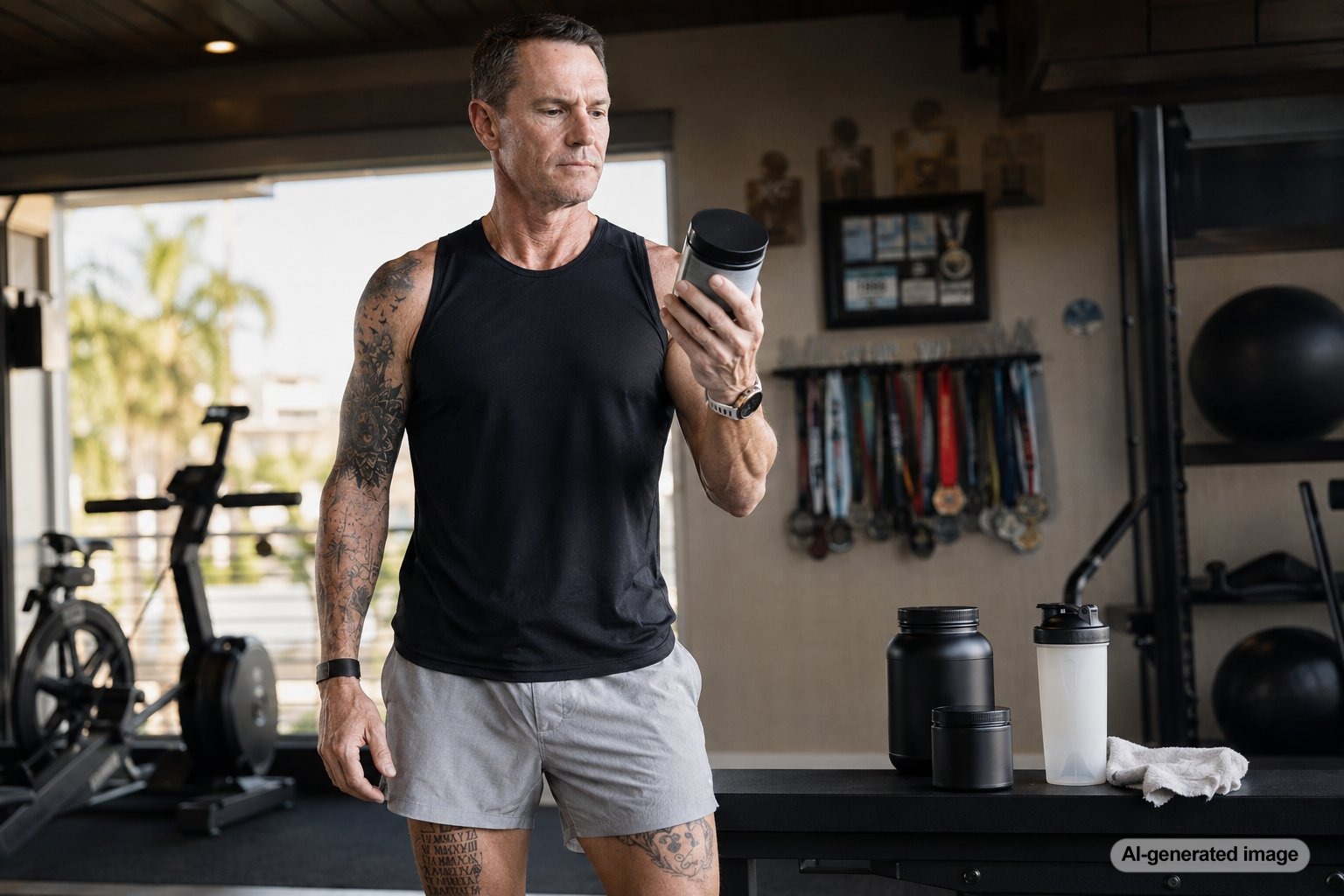
The word “natural” can make a supplement sound gentle, clean, and low-risk. It is a reassuring label, but it is not a safety standard. Plants contain active chemicals, concentrated extracts can affect the body in powerful ways, and a product sold without a prescription can still cause side effects, interact with medication, or contain something different from what a buyer expects.
For athletes, busy leaders, and people managing a health condition, the lesson is not to fear every supplement. It is to apply the same discipline used in training or business: slow down, examine the evidence, understand the tradeoffs, and ask better questions before adding another variable. Greg’s broader approach to resilience and responsible forward motion is reflected in his story and work: strength is not pretending risk does not exist. It is making informed choices anyway.
Quick answer
- “Natural” describes an origin or marketing position, not proof of safety.
- Supplements can interact with prescription drugs, over-the-counter medicines, anesthesia, and other supplements.
- More is not always better. Dose, duration, and the combination of ingredients matter.
- Product quality can vary, and the label may not fully reflect what is in the bottle.
- A physician, pharmacist, or registered dietitian can help evaluate whether a supplement fits your health needs.
Natural substances can still be biologically powerful
Nature produces compounds that can help, harm, or do both depending on the situation. Caffeine comes from plants, yet it can raise heart rate, disrupt sleep, and worsen anxiety in some people. Herbal ingredients can influence blood clotting, blood pressure, sedation, digestion, liver enzymes, or the way medications are processed.
Concentration changes the picture. Drinking a mild herbal tea is not necessarily equivalent to taking a capsule containing a concentrated extract several times a day. Two products with the same front-label ingredient may use different plant parts, extraction methods, amounts, or combinations. The familiar name can create a false sense that every version behaves the same way.
Supplement labels are not the same as drug approval
Dietary supplements are regulated differently from prescription and over-the-counter drugs. They are not generally required to demonstrate effectiveness before reaching the market. That does not mean every supplement is poor quality or useless. It means consumers should not assume that a product’s presence on a shelf proves that it works, that its dose is appropriate, or that it has been evaluated in people with their exact medical profile.
Marketing language can also blur the distinction between evidence and suggestion. Phrases such as “supports energy,” “promotes focus,” or “helps recovery” may sound clinical while offering little detail about the size of the benefit, the people studied, the dose used, or the potential downside. A polished label is not a substitute for reliable evidence.
Interactions are an overlooked risk
A supplement does not act in isolation. It enters a system that may already include prescriptions, pain relievers, sleep aids, caffeine, alcohol, sports nutrition products, and other vitamins or herbs. One product may increase a medication’s effect, reduce it, or create an unexpected combined effect.
This matters especially before surgery, during treatment for a chronic condition, or when medications have a narrow therapeutic range. It also matters for people who take several products from different brands. Each individual dose may appear modest, while the total amount of a shared ingredient becomes much higher than expected.
Red flags worth taking seriously
- A proprietary blend that hides the amount of each active ingredient
- Promises of rapid weight loss, dramatic muscle gain, sexual enhancement, or disease treatment
- Claims that the product is safe because it is “chemical-free” or “all natural”
- A long ingredient list with overlapping stimulants, sedatives, or herbal extracts
- No lot number, expiration date, manufacturer contact information, or credible quality-testing information
- Advice to stop prescribed treatment or avoid discussing the product with a clinician
Quality and identity can vary
Supplement safety depends on more than the named ingredient. Manufacturing quality, contamination, adulteration, storage, and accurate labeling also matter. A consumer may be trying to evaluate one herb or nutrient while the real risk comes from an undeclared stimulant, an excessive dose, or a contaminant.
Third-party testing can add useful information about identity and purity, but it does not prove that a supplement is effective or appropriate for a specific person. It is one part of a larger evaluation, not a universal seal of safety.
A practical way to evaluate a supplement
Before taking something new, write down the exact product name, full ingredient list, dose, and reason you are considering it. Then ask a few direct questions:
- What problem am I trying to solve? Fatigue, poor sleep, slow recovery, and concentration problems can have many causes. A supplement may distract from the need to identify the real issue.
- What evidence supports this exact ingredient and dose? Evidence for one formulation does not automatically transfer to every product using the same general name.
- What could it interact with? Include prescriptions, over-the-counter drugs, other supplements, and planned procedures.
- How will I know whether it helps? Define a realistic outcome and a reasonable review point rather than taking it indefinitely by habit.
- What would make me stop? New symptoms, abnormal test results, sleep disruption, digestive problems, or changes in medication response deserve attention.
For competitive athletes, there is another layer: contamination or undeclared ingredients can create eligibility and testing problems even when the athlete did not intend to use a prohibited substance. Responsible supplementation includes checking sport-specific rules and using qualified professional guidance.
Discipline includes knowing when not to add more
High performers often respond to a problem by adding effort, equipment, data, or another product. Sometimes the better move is subtraction. Sleep, adequate food, hydration, consistent training, recovery time, and appropriate medical care are not glamorous, but they form the base that supplements cannot replace.
The goal is not perfection or fear. It is clear-eyed decision-making. A product may be natural and still be useful. It may also be natural and unnecessary, poorly studied, mismatched to a medication, or risky at a certain dose. The label should begin the conversation, not end it.
Frequently asked questions
Does “organic” mean a supplement is safe?
No. Organic certification may describe how certain ingredients were produced, but it does not establish that the finished supplement is effective, interaction-free, or appropriate for every person.
Are vitamins safer than herbs?
Not automatically. Vitamins and minerals can cause problems when doses are excessive, when several products overlap, or when they interact with medical conditions and medications.
Should I tell my doctor about supplements?
Yes. Bring the bottles or a complete list, including powders, gummies, teas, and occasional products. A pharmacist can also be a valuable resource for interaction questions.
Can I trust third-party certification?
Certification can help verify manufacturing or ingredient identity, depending on the program. It does not guarantee that the product will work or that it is right for your health situation.
When should I seek urgent help?
Seek prompt medical attention for severe allergic symptoms, chest pain, fainting, trouble breathing, confusion, significant bleeding, or other sudden or serious symptoms after taking a supplement.
Interested in bringing Greg’s message to your event or organization?
Learn more about Greg’s speaking work or get in touch to start the conversation.
Contact Greg or learn more about the Forward Motion Fund.
This article is for educational purposes only and is not medical advice. For diagnosis, treatment, or personalized medical guidance, please speak with a qualified healthcare professional.