
Why You Are Capable Of More Than You Think
Most people discover what they are capable of in moments they would not have chosen. A difficult diagnosis, a business setback, a family challenge, a start line that feels too far away, or a season of uncertainty can make life feel smaller than it really is. In those moments, capability rarely announces itself with confidence. More often, it begins quietly, with one decision to keep moving.
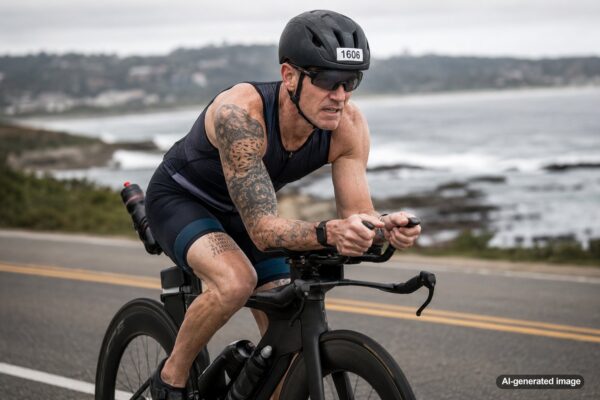
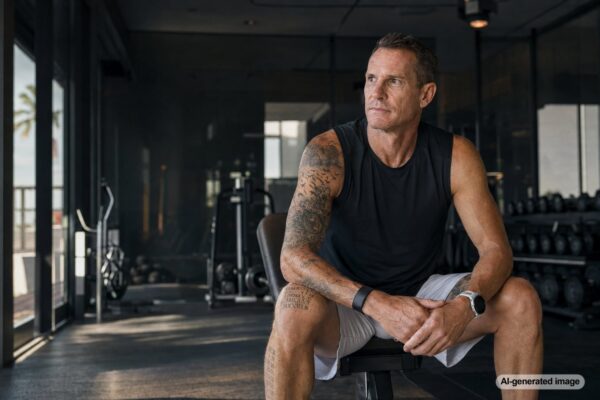
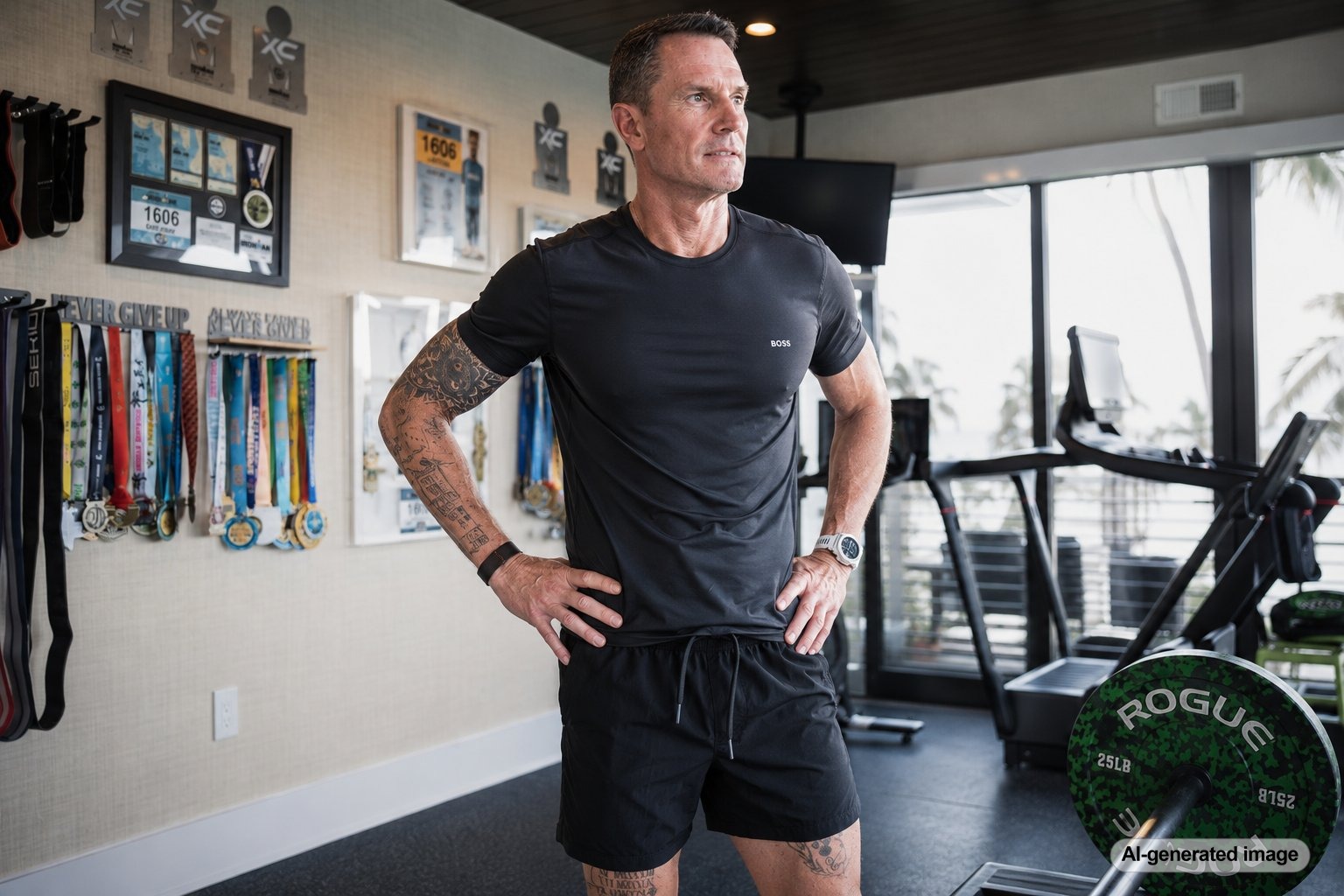
Greg Schaefer’s story sits at the intersection of family, business leadership, endurance sports, advocacy, and lived adversity. His message is not that hard things are easy. It is that the human capacity to adapt, endure, and take the next step is often much deeper than we realize. That perspective is central to his speaking work and to the broader mission behind his platform.
Quick answer: why you are capable of more than you think
- You have handled difficult moments before, even if you did not feel strong while they were happening.
- Capability often grows through repetition, support, and small consistent action, not sudden confidence.
- Your current fear or fatigue may be real, but it is not the full measure of your capacity.
- Progress does not always look dramatic. Sometimes it looks like one more honest step.
- Purpose can help you keep going when motivation is not enough.
Capability is not the same as certainty
One reason people underestimate themselves is that they confuse capability with certainty. They think, “If I were really strong enough, I would feel ready.” Life rarely works that cleanly. Parents make hard decisions before they feel prepared. Leaders walk into uncertain rooms before every answer is clear. Athletes begin training cycles while the finish line still feels distant. People facing personal adversity often keep going while they are still scared, tired, or unsure.
Being capable does not mean you never doubt yourself. It means doubt is not the only voice that gets a vote. There is another voice, sometimes quieter, that says, “Take the next step anyway.” That is where forward motion begins.
You may be measuring yourself by the wrong moment
People often judge their capacity from the hardest, lowest, or most exhausted point in the process. That is understandable, but it is also incomplete. A runner at mile 18 does not have the same clarity as a runner at the starting line. A founder in the middle of a crisis does not have the same energy as the person who originally built the company. A person processing a life-changing diagnosis may not immediately recognize the strength that will later carry them forward.
The middle of the struggle is not always the best place to measure the full size of your life. It may reveal pain, uncertainty, and limits, but it can also hide the growth that is forming underneath. Strength is often easier to see in hindsight than in real time.
Small steps build a different kind of confidence
There is a kind of confidence that comes from applause, achievement, or a clean win. It feels good, but it can be fragile. A deeper confidence comes from showing up repeatedly when things are not perfect. It comes from doing the work when no one is watching, making the call you have been avoiding, starting again after a setback, or choosing discipline over excuses.
This kind of confidence is earned in small increments. It is built by proof, not slogans. One honest conversation. One training session. One meeting. One act of service. One more step. Over time, those small decisions create evidence. You begin to see that you are not the same person who first faced the challenge.
Support is not a weakness
Another reason people underestimate themselves is that they imagine strength as something solitary. Real resilience usually involves support. Family, friends, teammates, colleagues, clinicians, coaches, mentors, and community can all become part of a person’s ability to move forward. Asking for help does not erase your strength. Often, it protects it.
In endurance sports, business, family life, and advocacy, no meaningful mission is truly carried alone. The people around us help us remember who we are when our own view gets clouded. They remind us that capability is not just personal grit. It is also connection, trust, and shared purpose.
What people often miss about resilience
Resilience is often described as bouncing back, but that phrase can make the process sound too neat. Many people do not bounce back to who they were before. They move forward into someone more aware, more grounded, and more intentional. That kind of resilience is not about pretending nothing hurt. It is about allowing hardship to shape you without letting it own you.
- Resilience can be quiet. It may look like getting out of bed, making a plan, or choosing not to quit today.
- Resilience can include grief. Strength does not require denying what has been lost or changed.
- Resilience can be practical. Systems, routines, calendars, conversations, and accountability often matter as much as inspiration.
- Resilience can serve others. The lessons you earn through adversity may one day help someone else take their next step.
Purpose helps you keep moving when motivation fades
Motivation is useful, but it is not always reliable. It rises and falls with energy, mood, circumstances, and results. Purpose has a different quality. Purpose gives the hard work a reason beyond the moment. It connects effort to family, mission, service, leadership, community, or a cause that matters.
For Greg, the phrase “One More Step… Just One More” is not empty optimism. It reflects a way of living through uncertainty with discipline and hope. It is also connected to the Forward Motion Fund, which extends that spirit into mission-aligned support for research, caregivers, challenged athletes, and youth-focused initiatives.
How to start proving your capacity to yourself
You do not need to overhaul your life in one dramatic move. In fact, dramatic promises often collapse under real-world pressure. A more durable path begins with a smaller question: what is the next honest step I can take today?
- Name the challenge clearly. Avoid minimizing it, but do not let it become your entire identity.
- Choose one action. Make it specific enough that you can do it, not vague enough that you can avoid it.
- Build a rhythm. Repetition turns one brave moment into a pattern.
- Let people in. Share the load with someone trustworthy instead of carrying everything privately.
- Track evidence. Notice the moments when you did hard things, even imperfectly.
FAQ
What does it mean to be capable of more than you think?
It means your current fear, doubt, or fatigue may not be an accurate measure of your full capacity. Many people discover strength through action, repetition, support, and purpose rather than through confidence alone.
How do I keep going when I do not feel motivated?
Start smaller than your ego wants and more consistently than your fear expects. Motivation may come and go, but a simple next step, repeated over time, can create momentum.
Is resilience something you are born with?
Some people may naturally respond to pressure in certain ways, but resilience can also be developed through habits, support systems, perspective, and lived experience. It is less a personality trait than a practice.
Why does purpose matter during adversity?
Purpose gives effort a deeper reason. When the work is hard or the path is uncertain, purpose can remind you who you are, who you love, and what kind of impact you want your life to have.
The bottom line
You may not feel ready for the challenge in front of you. You may not feel fearless, polished, or certain. That does not mean you are incapable. It may simply mean you are standing at the edge of a new kind of strength.
Capability is often revealed after the first step, not before it. Keep the step small if you need to. Keep it honest. Keep it connected to something that matters. One more step can become a rhythm, and a rhythm can become a life of forward motion.
Interested in bringing Greg’s message to your event or organization?
Learn more about Greg’s speaking work or get in touch to start the conversation.
Contact Greg or learn more about the Forward Motion Fund.
This article is for educational purposes only and is not medical advice. For diagnosis, treatment, or personalized medical guidance, please speak with a qualified healthcare professional.