Why You Wake Up At 3 A.M. And Cannot Fall Back Asleep
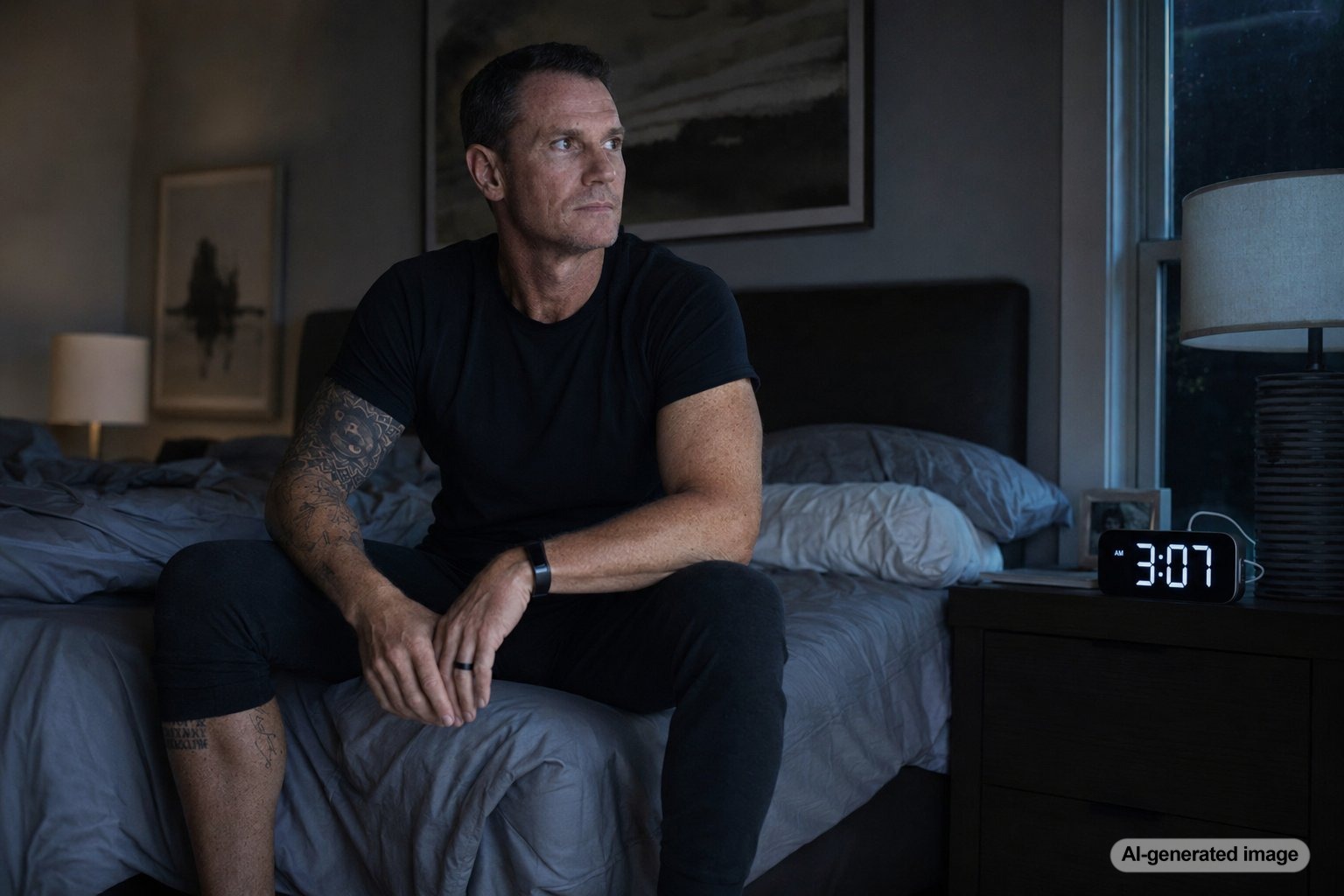
Waking up at 3 a.m. does not necessarily mean anything unusual is happening. Sleep naturally becomes lighter at several points during the night, and a brief awakening may become memorable when stress, discomfort, alcohol, temperature, noise, or another factor keeps the brain alert. The problem is often not the first moment of waking. It is the chain reaction that follows: checking the clock, calculating the hours left, and becoming increasingly determined to force sleep.
A single restless night is different from a recurring pattern that affects concentration, mood, recovery, or daytime performance. Understanding that distinction can help you respond calmly while recognizing when a conversation with a healthcare professional makes sense. The same steady, practical mindset that supports endurance, leadership, and forward motion can be useful here: observe the pattern, address what you can control, and seek qualified support when the pattern persists.
Quick answer
- Sleep is often lighter during the second half of the night, making awakenings easier to notice.
- Stress, clock-watching, alcohol, caffeine, environmental conditions, discomfort, and inconsistent schedules can make returning to sleep harder.
- Avoid treating 3 a.m. as a mysterious or universally meaningful time. The cause varies from person to person.
- If you remain awake, a quiet activity outside bed may be more helpful than struggling to force sleep.
- Recurring awakenings, significant daytime impairment, loud snoring, gasping, or other concerning symptoms deserve professional evaluation.
Why 3 a.m. can feel like a predictable breaking point
Sleep is not one uninterrupted state. The brain moves through repeating stages, with periods of deeper and lighter sleep across the night. As morning approaches, sleep tends to include more rapid eye movement sleep and may feel easier to interrupt. A sound, temperature change, physical sensation, or worried thought that passed unnoticed earlier can be enough to bring you fully awake later.
The exact clock time is usually less important than its position within your personal sleep window. Someone who goes to bed at 9:30 p.m. and someone who goes to bed at midnight may both describe a 3 a.m. awakening, but they are reaching that point after very different amounts of sleep. Bedtime, wake time, schedule consistency, and time spent awake in bed provide more useful context than the number displayed on the clock.
Common reasons you wake up and stay awake
Your mind shifts into problem-solving mode
Stress does not always prevent sleep at bedtime. You may fall asleep from exhaustion and then wake when sleep becomes lighter. Once awake, an unfinished project, family concern, financial question, health worry, or training decision can suddenly feel urgent. The quiet of the room gives the thought center stage.
Worrying about sleep itself can add another layer. Thoughts such as “I need to sleep now” or “Tomorrow is ruined” increase pressure at the moment your nervous system needs less stimulation. Clock-watching can reinforce this loop by turning every passing minute into evidence that something is going wrong.
Alcohol changes the second half of the night
Alcohol may make falling asleep feel easier, but that initial drowsiness does not always translate into sustained, restorative sleep. As the body processes alcohol, sleep can become lighter and more fragmented. A drink that seemed to help at bedtime may therefore contribute to an awakening several hours later.
Caffeine remains in the picture
Caffeine does not affect everyone for the same length of time. Coffee, energy drinks, pre-workout products, tea, chocolate, and some medications can influence sleep long after consumption. A person may fall asleep normally yet have more difficulty maintaining sleep, especially after a higher dose or later-than-usual intake.
Your environment changes overnight
A bedroom can become warmer, colder, brighter, or noisier while you sleep. A partner may move or snore. Outdoor traffic may begin. A pet may stir. Even small disruptions can matter when you enter a lighter sleep stage. A room that feels comfortable at bedtime is not always comfortable five hours later.
Your body asks for attention
Pain, reflux, nasal congestion, coughing, hot flashes, medication effects, or the need to urinate can interrupt sleep. Some people also wake frequently because of an underlying sleep disorder. Loud snoring, breathing that stops and starts, gasping, morning headaches, marked daytime sleepiness, or repeated nighttime urination can occur with sleep apnea and should be discussed with a healthcare professional.
Your sleep schedule is working against you
Irregular bedtimes, shift work, travel, long naps, and sleeping later on weekends can disrupt the timing of sleep. Going to bed much earlier than your body is ready for can also leave you with excessive time in bed. In that situation, an early awakening may reflect a mismatch between your schedule and actual sleep need rather than a failure of willpower.
What to do when you are awake at 3 a.m.
Do not start negotiating with the clock. If possible, turn the clock face away and resist checking your phone. Knowing the exact time rarely helps you sleep, and repeated calculations tend to increase alertness.
Give sleep room to return. Keep the lights low, allow your body to remain physically comfortable, and use a simple relaxation practice if it feels natural. Slow breathing, releasing tension from one muscle group at a time, or noticing neutral physical sensations can redirect attention without turning relaxation into another test you must pass.
Leave the bed if wakefulness continues. If you feel clearly awake or frustrated, move to a dim, quiet space and do something calm, such as reading a nonstimulating book. Return to bed when sleepiness returns. This approach is part of stimulus control, a component of cognitive behavioral therapy for insomnia, and is intended to preserve the association between bed and sleep.
Keep the night boring. Work email, news, social media, bright screens, intense exercise, and household projects can tell the brain that the day has begun. The goal is not to accomplish something while awake. It is to avoid feeding the alert state.
What people often miss
- Going to bed much earlier the next night: Extra time in bed can reduce sleep pressure and extend the struggle.
- Sleeping late after every bad night: A large change in wake time may further disrupt the sleep schedule.
- Using alcohol as a sleep strategy: Sedation at bedtime can be followed by more fragmented sleep later.
- Trying several supplements at once: This can obscure the real pattern and create safety or interaction concerns.
- Judging the next day before it starts: One interrupted night may feel unpleasant without automatically making the entire day a failure.
How to reduce repeat awakenings
Look for patterns rather than chasing a perfect night. For one or two weeks, note bedtime, estimated sleep time, awakenings, final wake time, naps, caffeine, alcohol, exercise timing, medications, and major stressors. Keep the record simple. The purpose is to identify connections, not to grade your sleep.
A consistent wake time can help anchor the sleep-wake cycle. Regular daytime physical activity, an appropriately cool and dark bedroom, a predictable wind-down routine, and avoiding caffeine, nicotine, or alcohol close to bedtime may also support sleep. If nighttime bathroom trips are common, consider discussing fluid timing and possible medical contributors with a clinician rather than simply restricting fluids without guidance.
Resilience is not the same as ignoring a recurring problem. Athletes, executives, parents, caregivers, and people managing chronic conditions may be accustomed to pushing through fatigue. That ability can be valuable, but persistent sleep disruption deserves attention because recovery supports clearer decisions, steadier energy, and sustainable performance. Greg’s broader speaking work on resilience and leadership reflects the importance of responding to challenges with discipline and perspective, not denial.
When to seek professional support
Speak with a qualified healthcare professional when trouble staying asleep becomes frequent, lasts over time, causes meaningful daytime problems, or occurs alongside symptoms such as loud snoring, gasping, breathing pauses, significant mood changes, persistent pain, or severe daytime sleepiness. Bring your sleep notes and a complete list of prescription medications, over-the-counter products, caffeine sources, and supplements.
A clinician can help evaluate possible contributors and determine whether further assessment is appropriate. For long-term insomnia, cognitive behavioral therapy for insomnia, often called CBT-I, is commonly recommended as a first treatment option. It addresses the behaviors and thought patterns that can perpetuate insomnia. Medication or supplements should be considered with professional guidance because benefits, risks, interactions, and appropriate use vary.
Frequently asked questions
Does waking at 3 a.m. mean my cortisol is too high?
Not necessarily. Stress and the body’s arousal systems can affect sleep, but a particular wake time does not establish a hormonal problem. Many environmental, behavioral, psychological, and medical factors can produce the same experience. A clinician can evaluate persistent symptoms in context.
Should I stay in bed until I fall asleep?
If you remain relaxed and drowsy, resting quietly may be reasonable. If you feel fully alert, frustrated, or increasingly anxious, getting out of bed for a calm activity in dim light may help preserve the connection between bed and sleep. Return when you feel sleepy.
Is melatonin the answer for middle-of-the-night waking?
Melatonin is not a universal solution for insomnia, and its timing, potential side effects, product quality, and interactions matter. Do not automatically take an additional dose during the night. Ask a healthcare professional whether it is appropriate for your situation.
Can intense training cause nighttime awakenings?
Exercise generally supports health and sleep, but timing, workload, inadequate recovery, discomfort, travel, fueling, and pre-workout caffeine may affect an individual night. Athletes can look at the entire recovery pattern rather than assuming exercise itself is the sole cause.
Can I still function after one bad night?
Many people can move through an occasional poor night, although they may feel less sharp or energetic. Be cautious with driving, demanding physical activity, or safety-sensitive work if you feel excessively sleepy. Avoid letting one difficult night become a prediction about every night that follows.
The bottom line
Waking at 3 a.m. is often a normal brief awakening that becomes prolonged because of stress, habits, the sleep environment, physical symptoms, or a disrupted schedule. Respond with less urgency, protect the association between bed and sleep, and track recurring patterns. Forward motion at night can be quiet: one calmer response, one useful observation, and, when needed, one conversation with a qualified professional.
Interested in bringing Greg’s message to your event or organization?
Learn more about Greg’s speaking work or get in touch to start the conversation.
Contact Greg or learn more about the Forward Motion Fund.
This article is for educational purposes only and is not medical advice. For diagnosis, treatment, or personalized medical guidance, please speak with a qualified healthcare professional.