

How To Host A Successful Fundraising Event For Your Mission
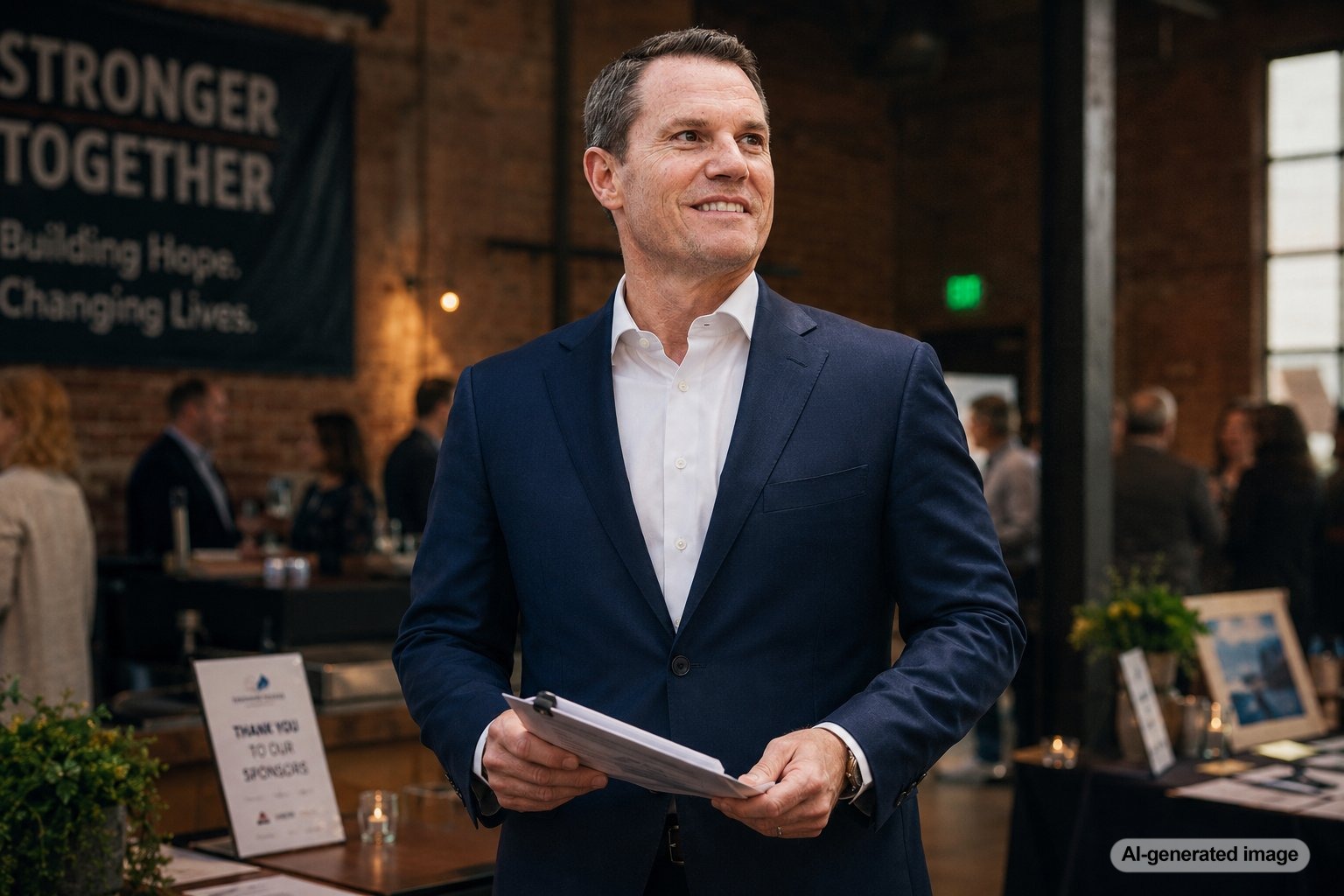
A successful fundraising event is not measured only by what happens in the room. It is measured by whether people understand the mission more clearly, feel connected to the work, and leave with a reason to stay involved after the last chair is folded.
For a mission-driven effort, the event should feel less like a transaction and more like an invitation. Whether you are raising support for research, caregiving resources, adaptive athletics, youth programs, or a community cause, the structure matters. The goal is to create a gathering where purpose, trust, and action all have a place. For Greg Schaefer’s work through the Forward Motion Fund, that kind of clarity matters because the mission is rooted in real life, forward motion, and one more step.
Quick answer: what makes a fundraising event successful?
- A clear mission: Guests should know exactly what they are supporting and why it matters.
- A focused goal: Define what success looks like before choosing the venue, program, or ticket price.
- A human story: People connect to real impact more than abstract need.
- A smooth guest experience: Registration, flow, timing, and follow-up all affect trust.
- A thoughtful next step: Give people an easy way to donate, volunteer, share, sponsor, or stay involved.
Start with the mission before the mechanics
Many fundraising events begin with questions about food, venue, entertainment, auction items, or ticket pricing. Those details matter, but they should not come first. The better first question is: what should people understand, feel, and do because they attended?
A mission-first event has a center of gravity. It helps you decide what belongs and what does not. A cocktail reception, endurance challenge, community breakfast, panel discussion, golf outing, or small private dinner can all work if the format serves the purpose. Problems usually begin when the event becomes busy without becoming clear.
For example, if the mission is connected to resilience, research, caregiving, or challenged athletes, the program should make room for impact. That might mean a short story from someone close to the cause, a clear explanation of where support goes, or a moment that helps guests see the work beyond the donation form.
Define one primary goal and a few secondary goals
A fundraising event can raise money, build awareness, recruit supporters, thank existing donors, attract sponsors, introduce a fund, create media visibility, or strengthen community. It cannot do all of those equally well at the same time.
Choose one primary goal. Then choose two or three secondary goals that support it. A first-year event may be more about awareness and relationship-building than a huge fundraising total. A mature annual event may be designed around sponsorship, donor retention, and a specific campaign goal.
This distinction helps prevent disappointment. An event can be deeply successful even if its greatest value is not immediately visible in the final total. A sponsor who comes back next year, a new advocate who brings three more people into the mission, or a family who finally feels seen can all be part of the long-term return.
Build the event around the right audience
Not every supporter needs the same experience. A room of corporate sponsors will need a different rhythm than a community walk, family-friendly fundraiser, private donor dinner, or athletic challenge. The strongest events respect the people in the room while staying faithful to the mission.
Think carefully about who you are inviting. Are they longtime supporters who already know the cause? Are they new to the mission? Are they business leaders looking for a meaningful partnership? Are they families with personal experience connected to the work? Each audience needs a slightly different level of context, emotion, and call to action.
This is where a speaker can help anchor the room. A credible voice can connect the practical purpose of the event to a larger message of resilience, leadership, family, adversity, and forward motion. To learn more about Greg’s speaking work, visit the Speaking page.
Create a program that moves with purpose
A fundraising event does not need to be long to be meaningful. In fact, many of the best events are disciplined. Guests should never feel trapped in a program that is trying to do too much. A strong event has a beginning, a middle, and a clear moment of action.
The beginning welcomes people and sets the tone. The middle explains the mission and builds emotional connection. The action moment tells guests exactly how they can help. The close thanks them and points them toward what happens next.
One overlooked detail is timing. If the call to donate comes too early, guests may not yet feel connected. If it comes too late, energy may have dropped. The best moment usually comes after the mission has been made clear, but before the room starts to thin out.
Make the giving experience simple and respectful
People should never have to work hard to support a mission. Registration links, donation pages, QR codes, pledge cards, sponsorship forms, and follow-up emails should be easy to understand and easy to use. Confusion creates friction, and friction costs momentum.
Respectful giving language also matters. Avoid pressure, guilt, or exaggeration. Strong fundraising is clear, honest, and specific. Tell people what their support makes possible without promising outcomes you cannot guarantee.
A useful approach is to offer several levels of participation. Some people may give. Some may sponsor. Some may introduce the mission to a company, foundation, school, athletic community, or local group. Some may share the story. When the mission is bigger than a single transaction, the invitation should be bigger too.
Use story, but keep it grounded
Story is often the most powerful part of a fundraising event, but it needs care. The goal is not to make people feel sorry for someone. The goal is to help people understand why the mission matters and why action is needed.
Greg’s broader platform is a good example of this balance. His story includes family, business leadership, endurance sports, Parkinson’s, advocacy, and the decision to keep moving forward. None of those pieces has to be reduced to a slogan. The power comes from the full picture: real adversity, real discipline, real people, and real purpose.
When planning your event, choose stories that honor dignity. Avoid overdramatizing pain. Let the human truth do the work. A grounded story often carries more weight than a polished pitch.
Plan the guest experience from arrival to follow-up
The guest experience begins before anyone enters the room. It starts with the invitation, the clarity of the event page, the ease of registration, and the first confirmation email. By the time guests arrive, they should know where to go, what to expect, and why the event matters.
During the event, small details build trust. Clear signage, a smooth check-in process, a visible schedule, prepared volunteers, reliable technology, and thoughtful transitions all tell guests that the mission is being handled with care.
After the event, follow-up should be prompt and personal. Thank attendees. Share what happened. Explain the next step. If appropriate, let them know how to stay connected, sponsor future work, or learn more about the person or mission behind the event.
Common mistakes to avoid
- Trying to serve too many goals: A cluttered event usually creates a cluttered message.
- Forgetting the mission: Entertainment and hospitality should support the purpose, not replace it.
- Making the ask unclear: Guests should know exactly what action you want them to take.
- Overloading the program: Too many speakers, videos, awards, or announcements can drain the room.
- Neglecting follow-up: The relationship continues after the event ends.
What people often miss about fundraising events
The most important moment may not be the donation ask. It may be the quiet conversation afterward, the sponsor who sees a long-term fit, the family who feels less alone, or the guest who starts to understand the mission for the first time.
Fundraising events are community-building tools. Money matters because it fuels the work. But belief, trust, and connection are what keep the work moving. When people leave with a clearer sense of purpose, they are more likely to become part of the mission in a lasting way.
FAQ
How far in advance should you plan a fundraising event?
For a small event, a few months may be enough if the team is organized and the goals are realistic. For a larger event with sponsors, speakers, vendors, ticketing, and a formal program, planning should begin much earlier. The more moving parts you have, the more time you need for outreach, promotion, logistics, and follow-up.
What is the most important part of a fundraising event?
The clearest answer is the mission. Guests need to understand what they are supporting, why it matters, and what their participation can help make possible. Without that clarity, even a well-produced event can feel forgettable.
Should a fundraising event include a speaker?
A speaker can be valuable when the event needs a strong emotional and strategic anchor. The right speaker can connect the mission to broader themes like resilience, leadership, teamwork, adversity, purpose, and action. The key is choosing someone whose message strengthens the event rather than distracting from it.
How do you make a fundraising event feel less transactional?
Lead with purpose, not pressure. Create space for story, gratitude, and clear impact. Give people practical ways to stay involved beyond one donation. When guests feel respected and connected, the event becomes more than a payment moment.
What should happen after a fundraising event?
Send a thoughtful thank-you message, share a brief recap, acknowledge sponsors or volunteers, and provide a clear next step. Follow-up is where trust deepens. It shows supporters that their presence mattered and that the mission is still moving.
Interested in bringing Greg’s message to your event or organization?
Learn more about Greg’s speaking work or get in touch to start the conversation.
Contact Greg or learn more about the Forward Motion Fund.
This article is for educational purposes only and is not medical advice. For diagnosis, treatment, or personalized medical guidance, please speak with a qualified healthcare professional.