
Essential Exercises For Maintaining Bone Density Over 50
Maintaining bone density after 50 is not only about avoiding injury. It is about protecting the freedom to move, train, travel, work, serve, and stay present for the people and purposes that matter. Bones respond to stress in a good way when the body is challenged safely and consistently, which is why the right exercise routine can be such a meaningful part of healthy aging.
For someone like Greg Schaefer, whose life brings together family, business leadership, endurance sports, adversity, and advocacy, movement is more than a workout. It is a practical expression of forward motion. The goal is not to chase intensity for its own sake. The goal is to build a body that can keep showing up, one strong step at a time. To learn more about Greg’s broader story of resilience and purpose, visit his About page.
Quick answer: the best exercise mix for bone density after 50
- Weight-bearing movement, such as walking, hiking, stair climbing, and dancing, can help bones stay stimulated because the body works against gravity.
- Strength training helps build muscle around the skeleton, supports posture, and may help protect independence as people age.
- Balance and agility work matters because bone health is not only about density. It is also about reducing fall risk.
- Progressive challenge is important. The body adapts when exercise gradually becomes more demanding, not when every session stays exactly the same.
- Medical guidance matters if you have osteoporosis, a history of fractures, balance issues, Parkinson’s, pain, or other health concerns.
Why exercise matters for bones after 50
Bone is living tissue. Over time, especially after midlife, many people face a higher risk of bone loss, muscle loss, and reduced balance. Exercise cannot guarantee perfect bone health, but it can be part of a smart plan to support strength, mobility, posture, and confidence.
The key is choosing exercise that gives the body a reason to adapt. Gentle movement has value, especially for circulation, mood, and consistency, but bone-building routines usually need some combination of impact, resistance, and load. That does not mean reckless training. It means thoughtful work that is appropriate for your body, your history, and your current level of conditioning.
Greg’s message of “One More Step… Just One More” fits here in a grounded way. Bone health is built through repeatable action. A single walk, strength session, or balance drill may not feel dramatic, but the pattern matters. Day after day, the body is shaped by what it is asked to do.
1. Weight-bearing cardio: walking, hiking, stairs, and dancing
Weight-bearing exercise means your bones and muscles work against gravity. Walking, hiking, climbing stairs, low-impact aerobics, tennis, and dancing are common examples. These activities can be especially useful because they are accessible, scalable, and easier to repeat over time than highly complex training plans.
For many adults over 50, walking is the foundation. It may not be flashy, but it builds consistency. To make it more useful for bone and overall fitness, consider small progressions: add hills, vary pace, use stairs when safe, or walk on slightly different surfaces. Hiking can add natural changes in terrain, while stair climbing increases demand through the hips and legs.
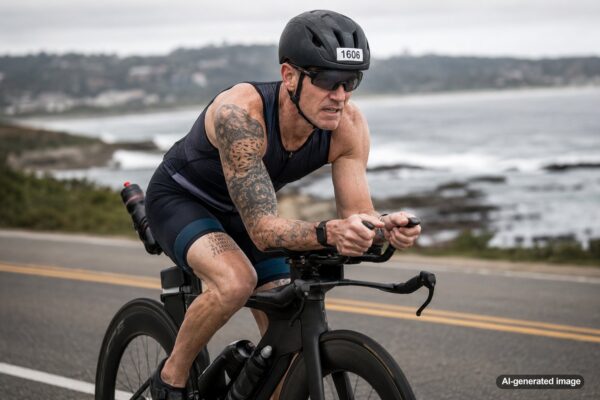
One overlooked distinction is that swimming and cycling, while excellent for cardiovascular fitness, are not weight-bearing in the same way. They can still be valuable parts of a routine, especially for endurance or joint comfort, but they may need to be paired with strength training or weight-bearing movement when bone density is the focus.
2. Strength training: the cornerstone for muscle and bone support
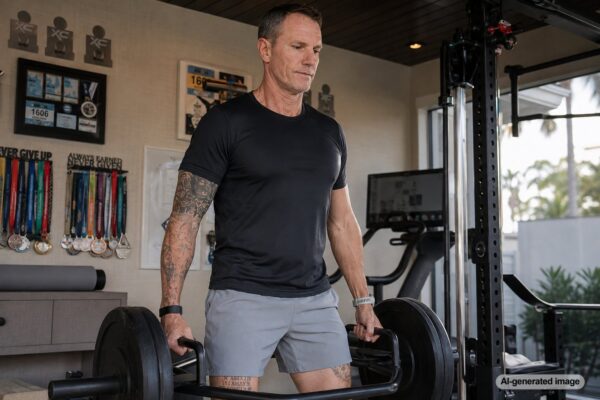
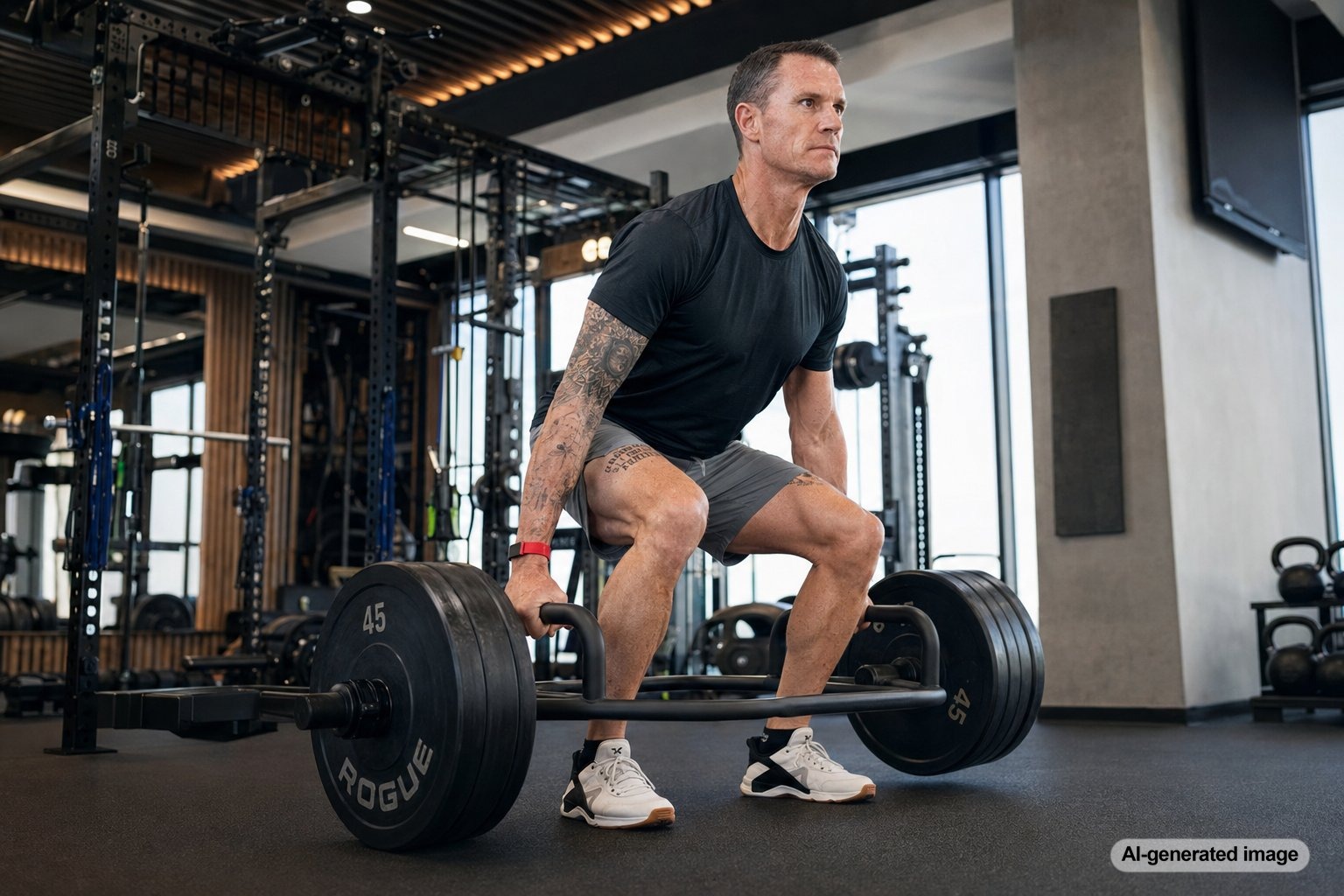
Strength training is one of the most important exercise categories for adults over 50 because it challenges muscles, tendons, posture, and bones at the same time. It can include machines, free weights, resistance bands, bodyweight exercises, or supervised functional training.
Helpful movements often include squats to a chair, step-ups, hip hinges, rows, wall pushups, farmer carries, and controlled presses. The exact version should match the person’s ability and safety needs. For someone new to strength training, a well-coached bodyweight squat to a sturdy chair may be the right start. For someone with years of training experience, progressive loaded exercises may be appropriate with good form and recovery.
Progression is the detail many people miss. Lifting the same very light weight forever may maintain the habit, but the body usually needs gradual challenge to keep adapting. That challenge can come from slightly more resistance, more controlled repetitions, better range of motion, or improved stability. The goal is not to prove toughness in one workout. The goal is to build durable capacity over months and years.
3. Balance training: protecting bones by reducing fall risk
Bone density is only one part of fracture prevention. Falls matter. A person can have a thoughtful nutrition plan and a solid walking routine, but if balance, reaction time, and lower-body strength are neglected, daily life can still become riskier.
Balance training can be simple, but it should be taken seriously. Examples include standing on one foot near a counter, heel-to-toe walking, slow step-overs, controlled direction changes, and sit-to-stand practice. Tai chi and similar movement practices may also help some people build steadiness, body awareness, and confidence.
This is especially relevant for readers living with Parkinson’s or supporting someone who is. Parkinson’s can affect movement, balance, stiffness, and confidence, so exercise planning may need a more individualized approach. Greg’s platform includes Parkinson’s advocacy, but the larger lesson applies broadly: support systems, smart coaching, and consistent practice can help people keep moving with more confidence. Readers who want to connect with Greg’s mission work can learn more through the Forward Motion Fund.
4. Impact work: useful for some, not right for everyone
Impact can stimulate bone, but it has to be chosen carefully. For some people, safe impact might mean brisk walking with hills, stair climbing, step-ups, or light hopping drills under professional guidance. For others, especially people with osteoporosis, joint pain, balance concerns, previous fractures, or neurological conditions, impact may need to be limited, modified, or avoided.
The practical question is not, “What is the hardest exercise I can do?” A better question is, “What level of challenge can I repeat safely enough to build from?” That is where a clinician, physical therapist, or qualified trainer can help. They can evaluate posture, gait, strength, fall risk, and medical history before recommending higher-impact options.
5. Posture and core work: the quiet support system
Posture and core training do not always get the attention they deserve in bone health conversations. Strong legs matter, but so do the muscles that support the spine, hips, ribs, and shoulders. Good posture can help with balance, breathing, walking mechanics, and confidence.
Useful options may include bird dogs, dead bugs, side steps with a band, standing rows, gentle back extensions, and controlled carries. These exercises should feel purposeful, not rushed. The goal is to train the body to stay organized under load, whether that means carrying groceries, walking through an airport, standing on a stage, or getting through a long day of work.
What people often miss
Bone health is not a single-exercise problem. A strong plan usually combines weight-bearing activity, resistance training, balance practice, recovery, nutrition, and medical guidance when needed. The best routine is not necessarily the most impressive one. It is the one that is safe enough, challenging enough, and meaningful enough to continue.
How to build a weekly routine without overcomplicating it
A practical week might include several days of walking or other weight-bearing cardio, two or three strength sessions, and short balance drills woven into warmups or daily life. Someone already active may build from there. Someone starting after years away from exercise may begin with shorter sessions and more support.
Recovery also belongs in the plan. Bones, muscles, joints, and the nervous system need time to adapt. Sleep, hydration, protein intake, calcium and vitamin D discussions with a clinician, and smart pacing all matter. Consistency does not mean ignoring pain. It means staying engaged while respecting the body’s signals.
FAQ
Can exercise rebuild bone density after 50?
Exercise may help support bone strength and slow age-related loss, but results vary by person. Bone density is affected by age, hormones, nutrition, medications, health conditions, genetics, and training history. A healthcare professional can help evaluate bone density and guide a safe plan.
Is walking enough for bone health?
Walking is a strong foundation, especially when done consistently, but many people benefit from adding strength training and balance work. Walking alone may not provide enough resistance or variety to address every part of bone, muscle, and fall-risk health.
Should people with osteoporosis lift weights?
Some people with osteoporosis may benefit from supervised strength training, but exercise selection matters. A clinician or physical therapist can help identify safe movements and avoid positions or loads that may raise risk for a specific person.
How often should adults over 50 do strength training?
Many public health resources encourage muscle-strengthening activity at least two days per week, but individual needs vary. The safest approach is to start at an appropriate level and progress gradually.
What is the best first step?
Start with a realistic baseline. That might mean scheduling a bone density discussion with your clinician, beginning a walking routine, learning proper strength-training form, or adding five minutes of balance practice near a sturdy surface. One useful step, repeated, can become a meaningful pattern.
Interested in bringing Greg’s message to your event or organization?
Learn more about Greg’s speaking work or get in touch to start the conversation.
Contact Greg or learn more about the Forward Motion Fund.
This article is for educational purposes only and is not medical advice. For diagnosis, treatment, or personalized medical guidance, please speak with a qualified healthcare professional.