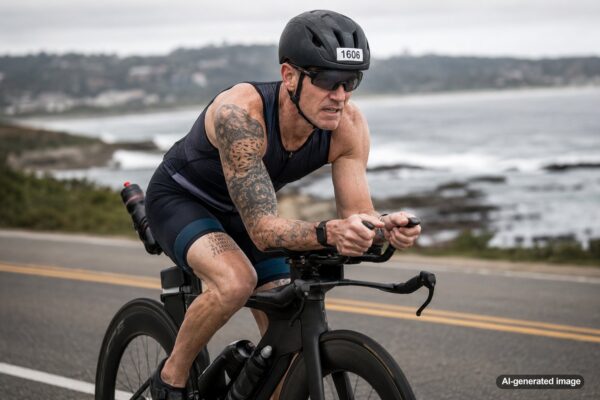
How To Stay Strong During The Longest Miles Of The Bike Course
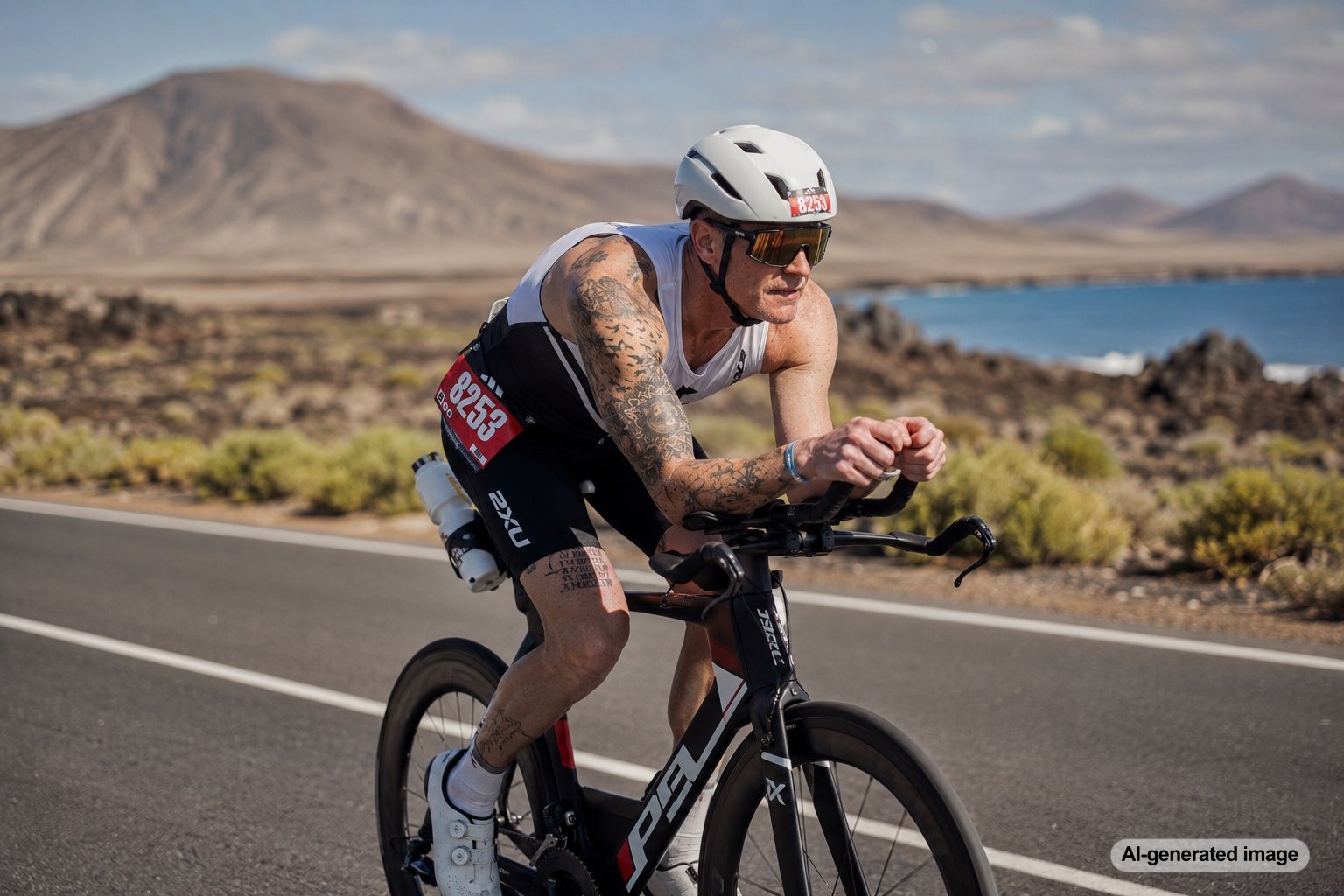
The longest miles of the bike course rarely announce themselves all at once. They arrive slowly, somewhere between the early excitement and the final push, when the road feels repetitive, the body starts negotiating, and the mind begins asking questions it did not ask at the start line.
Staying strong in those miles is not only about fitness. It is about pacing your effort, managing your thoughts, protecting your form, and remembering why forward motion matters. For endurance athletes, leaders, and anyone working through a long stretch of resistance, the bike course offers a clear lesson: strength is often built in the quiet middle, not the dramatic finish. Greg Schaefer’s story, shared through his work as an athlete, entrepreneur, speaker, and advocate, reflects that same commitment to one more step, one more mile, and one more honest choice to keep moving.
Quick answer
- Stay strong by riding the mile you are in, not the entire course at once.
- Keep your effort disciplined early so you have something left when the ride gets mentally heavy.
- Use simple cues for breathing, posture, cadence, and nutrition instead of letting emotion take over.
- Expect the low points. They are part of endurance, not proof that the day is falling apart.
- Reconnect with purpose when the course feels long, lonely, or repetitive.
The middle miles are where discipline gets tested
At the beginning of a race, adrenaline can carry you. Near the end, the finish line gives the mind something clear to chase. The longest miles are usually the ones in between, when the crowd thins, the scenery starts to blur, and the work becomes less exciting.
That is where discipline becomes more important than emotion. The goal is not to feel powerful every minute. The goal is to stay steady enough that a hard stretch does not turn into a careless one. A rider who panics in the middle miles may overcorrect, surge too hard, skip fueling, tighten up, or spend mental energy fighting the reality of the course. A strong rider accepts the moment and works the basics.
Break the course into smaller promises
One of the most useful mental tools on a long bike course is shrinking the distance. When the whole ride feels too big, the mind needs a smaller assignment. That might mean staying smooth until the next aid station, holding posture for the next five minutes, taking in fuel on schedule, or getting to the next landmark without judgment.
This is not pretending the race is easy. It is choosing a more useful frame. The body may be riding a long course, but the mind performs better when it has a near target. Greg’s Forward Motion Fund is rooted in a similar idea: one more step, just one more. On the bike, that same mindset can become one more mile, one more calm breath, one more steady decision.
Do not confuse discomfort with danger
Endurance racing teaches a difficult distinction: discomfort is expected, but distress deserves attention. The longest miles often bring heavy legs, boredom, doubt, stiffness, or frustration. Those feelings can be uncomfortable without being catastrophic.
The key is to stay observant rather than dramatic. Ask practical questions. Have I been fueling? Am I drinking? Is my cadence getting sloppy? Am I clenching my shoulders? Is this a normal hard patch, or is something actually wrong? That kind of grounded self-check keeps the rider from either ignoring important signals or overreacting to ordinary fatigue.
Use cues instead of speeches
When the bike course gets long, most athletes do not need a motivational speech inside their head. They need clear cues. Simple phrases can keep the mind from spiraling and bring attention back to the work.
- Relax the hands. Tension in the grip can travel up the arms, shoulders, neck, and back.
- Spin smooth. A steady cadence can help preserve rhythm when the mind feels scattered.
- Fuel on schedule. Waiting until motivation returns is not a strategy.
- Ride your line. Focus on the road, the effort, and the next manageable section.
- Stay patient. The strongest move may be refusing to chase every rider who passes.
Short cues work because they are easy to remember under stress. They give the mind a job without asking it to solve the whole race.
Pace with humility early
The longest miles feel even longer when the early miles were ridden with too much ego. Many athletes pay for excitement later because they mistook freshness for readiness. The bike course rewards patience, especially in longer endurance events where the ride is only one part of the day.
Humility in pacing does not mean riding timidly. It means respecting the distance, the weather, the terrain, and the fact that strength has to last. A disciplined early effort protects the final third of the ride, and in triathlon, it protects the run waiting on the other side.
Expect the mental low point before it arrives
There is power in naming the hard part before race day. Instead of being surprised when the middle miles feel lonely or flat, an athlete can plan for that moment. The thought shifts from, “Something is wrong with me,” to, “This is the section I knew would ask more of me.”
That small reframing matters. It turns doubt into information. It allows the athlete to respond with preparation instead of panic. The low point becomes a known part of the course, not an unexpected verdict on the day.
Remember that forward motion can be quiet
Not every strong mile looks heroic. Some of the strongest miles are the quiet ones, when nothing feels easy but the rider keeps making good decisions. Drinking when it is time to drink. Eating when it is time to eat. Staying aero or upright as conditions require. Letting another athlete go without turning it into a story. Choosing patience over pride.
This is where endurance becomes more than a sport. The long middle of the bike course resembles many demanding seasons in life and leadership. Progress can feel slow. The work can become repetitive. The applause may be far away. Still, the next right action matters.
What people often miss about the hardest miles
The hardest miles are not always the steepest or fastest. Sometimes they are the most ordinary. A flat stretch with no crowd support can be harder mentally than a climb because there is nothing dramatic to focus on. That is where internal structure matters.
Strength is not the absence of doubt. Strong athletes still have difficult thoughts. The difference is that they do not let every thought become an instruction.
A good race plan includes emotional weather. Wind, hills, heat, and fueling matter, but so do frustration, boredom, impatience, and fear. Planning for those moments is part of racing well.
FAQ
How do you stay mentally strong on a long bike course?
Focus on the next manageable segment instead of the full remaining distance. Use simple cues for posture, breathing, fueling, and cadence. The goal is to stay present enough to make one good decision at a time.
What should I do when I feel like I am falling apart during the ride?
Start with a calm self-check. Review your effort, hydration, nutrition, posture, and breathing. A hard patch may improve when you return to the basics. If something feels unsafe or medically concerning, stop and seek appropriate support.
Why do the middle miles feel so difficult?
The middle miles can feel hard because the excitement of the start has faded and the finish still feels far away. Mentally, that creates a gap where doubt can grow. Breaking the course into smaller targets can help.
Is it better to push harder or conserve energy during the long middle section?
It depends on the race, conditions, and athlete, but many endurance efforts reward discipline. Riding too aggressively in the middle can create problems later. A steady, controlled effort often protects both the end of the bike and whatever comes next.
Strength is built one decision at a time
The longest miles of the bike course ask an athlete to be honest. They reveal pacing choices, mental habits, preparation, patience, and purpose. They also offer a chance to practice a kind of strength that is not loud or theatrical. It is steady. It is disciplined. It keeps moving.
That kind of strength carries beyond the course. It applies to leadership, family, advocacy, entrepreneurship, and the seasons of life that demand resilience without applause. For athletes and teams alike, the lesson is simple but not easy: do the next right thing, then do it again.
Interested in bringing Greg’s message to your event or organization?
Learn more about Greg’s speaking work or get in touch to start the conversation.
Contact Greg or learn more about the Forward Motion Fund.
This article is for educational purposes only and is not medical advice. For diagnosis, treatment, or personalized medical guidance, please speak with a qualified healthcare professional.