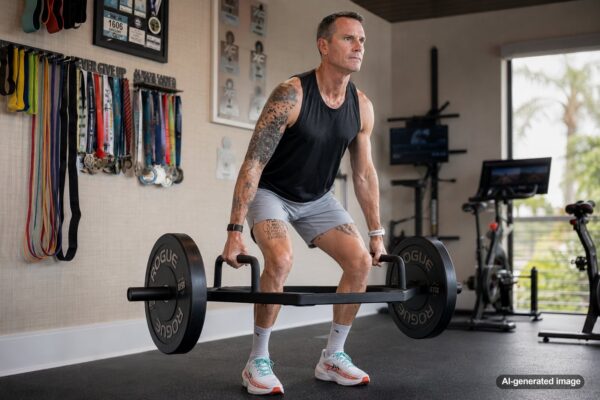
What Racing In Discomfort Teaches You About Personal Growth
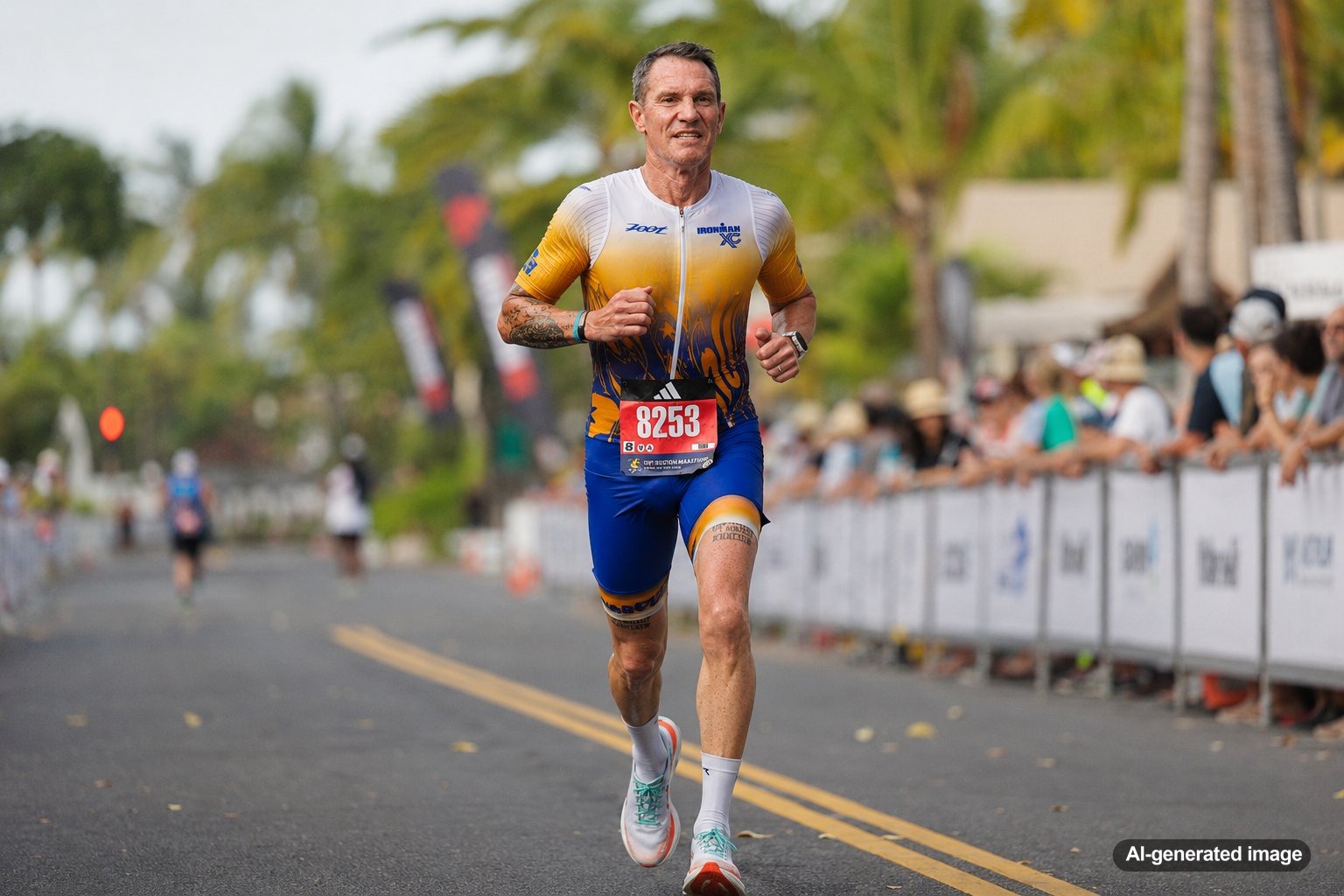
Racing has a way of telling the truth. Not the polished version we prepare for social media, not the confident version we bring to the starting line, and not the story we hope the day will tell. Somewhere between the early excitement and the late-race miles, discomfort starts asking better questions: Can you stay calm when things stop feeling smooth? Can you adjust without quitting on yourself? Can you keep moving when progress feels smaller than you expected?
That is where personal growth becomes real. Racing in discomfort is not about pretending pain is easy or turning every hard moment into a slogan. It is about learning how to remain present, make wise choices under pressure, and take one more step when the outcome is still uncertain. For Greg Schaefer, that lesson sits at the intersection of endurance sports, business leadership, family, advocacy, and forward motion. You can learn more about that broader story on the About Greg page.
Quick answer: what racing in discomfort teaches
- Discomfort reveals your habits. It shows how you respond when the plan changes.
- Growth is often quiet. It can look like patience, pacing, breathing, and staying composed.
- Mental toughness is not stubbornness. It is the ability to adapt without abandoning your purpose.
- Progress becomes more honest. Racing teaches you to respect small steps, not just big finish-line moments.
- Resilience is practiced. It is built through repeated choices, especially when the work is uncomfortable.
Discomfort strips away the performance
At the start of a race, it is easy to feel organized. The gear is ready. The plan is clear. The goal feels close enough to picture. But discomfort changes the conversation. Heat, fatigue, cramps, doubt, wind, hills, or unexpected setbacks can interrupt the version of the race you imagined.
In those moments, racing becomes less about appearing strong and more about being honest. You find out whether your confidence depends on everything going perfectly. You notice the thoughts that show up when the pace slows. You learn whether you can make decisions from steadiness instead of panic.
That kind of truth is valuable far beyond sport. Leaders face it when a business plan runs into reality. Parents face it when life requires patience they did not know they had. People living through uncertainty face it when there is no clean timeline and no simple answer. Discomfort does not create character from nothing, but it does reveal what needs attention.
Growth often begins when the original plan breaks
Many people think personal growth means becoming so strong that hard things no longer feel hard. Racing teaches a better lesson. Growth often means getting more skilled at staying present when hard things still feel hard.
A race plan matters. Training matters. Preparation matters. But no race gives complete control. The weather may shift. The body may feel different than expected. A confident early pace may become too costly later. The athlete who grows is not always the one who forces the original plan at all costs. Sometimes growth looks like adjusting the plan while keeping the mission intact.
That distinction matters in life. There is a difference between quitting and recalibrating. There is a difference between weakness and wisdom. There is a difference between losing control and learning how to respond when control was never guaranteed in the first place.
Mental toughness is quieter than most people think
Mental toughness is often portrayed as loud, dramatic, and relentless. In real racing, it is usually quieter. It may look like taking in fuel when you do not feel like it. Slowing down before you blow up. Walking with purpose instead of spiraling into shame. Asking for help at an aid station. Refocusing on the next marker instead of obsessing over the whole remaining distance.
Those small choices are not glamorous, but they are where resilience gets built. Discomfort teaches that toughness is not just the ability to push harder. It is the ability to stay clear, disciplined, and grounded when the easy emotional reaction would be to panic, compare, complain, or shut down.
For teams and organizations, this lesson carries weight. Under pressure, culture is revealed in the small choices: how people communicate, how they recover from mistakes, how they treat one another, and whether they can stay aligned when conditions are imperfect. This is one reason Greg’s work as a speaker connects endurance, leadership, adversity, and mission in a practical way. Learn more about his keynote work on the Speaking page.
Discomfort teaches you to measure progress differently
Finish lines matter. Times matter. Goals matter. But racing in discomfort teaches that progress is not only measured by the cleanest outcome. Sometimes progress is staying composed one mile longer than last time. Sometimes it is recognizing a destructive thought pattern before it takes over. Sometimes it is finishing with humility instead of frustration. Sometimes it is simply refusing to let one hard section define the whole race.
This is especially important for anyone navigating a season of life that does not fit a neat success story. Personal growth can be subtle. It may not always announce itself with a breakthrough. It may show up as more patience, more self-awareness, more gratitude, better boundaries, deeper commitment, or a stronger ability to keep moving without needing every step to feel inspiring.
What people often miss about racing through discomfort
The lesson is not that discomfort is automatically good. The lesson is that discomfort can become useful when it is met with awareness, preparation, humility, and purpose. Racing does not reward denial. It rewards attention. The athlete has to listen, adjust, keep perspective, and decide what the next right step should be.
Personal growth comes from staying in conversation with the moment
One of the most powerful lessons racing teaches is the ability to narrow the frame. When the full distance feels overwhelming, the next mile matters. When the next mile feels too big, the next minute matters. When even that feels heavy, the next step matters.
This is not a trick. It is a discipline. By bringing attention back to the present, an athlete protects energy, reduces panic, and creates room for better choices. That same discipline applies to business challenges, family responsibilities, health uncertainty, advocacy work, and any long road where the finish is not immediately visible.
Greg’s core message, One More Step… Just One More, is not about denying difficulty. It is about respecting the size of the moment you are in and choosing forward motion inside it. That message also connects to the Forward Motion Fund, which extends that spirit into mission-aligned support and community impact.
Racing discomfort builds humility
Discomfort has a way of humbling even the most prepared athlete. It reminds you that discipline does not make you invincible. Experience does not remove uncertainty. A strong identity does not protect you from hard days.
That humility is part of the growth. It can make a person more compassionate, more teachable, and more aware of others who are fighting battles that are not obvious from the outside. It can also make success feel less like personal superiority and more like stewardship. You begin to understand that strength is not something to perform. It is something to use responsibly.
In that sense, racing can deepen more than athletic ability. It can deepen leadership. It can deepen empathy. It can deepen the way a person shows up for family, colleagues, teammates, and causes that matter.
Practical takeaways for life beyond the race
- Expect discomfort before it arrives. When you stop treating discomfort as a surprise, you can respond with more steadiness.
- Name the next controllable action. Fuel, breathe, slow down, ask for help, reset your posture, or focus on the next step.
- Separate pain from panic. Not every hard feeling needs to become a hard story.
- Adapt without abandoning your values. The path may change, but the purpose can remain.
- Review the race honestly. Growth comes from learning, not from pretending every moment was perfect.
FAQ
Does racing in discomfort mean ignoring pain?
No. There is an important difference between working through ordinary race discomfort and ignoring signals that something may be wrong. Wise athletes pay attention. Growth includes knowing when to push, when to adjust, and when to seek support.
How does racing help with personal growth?
Racing creates a controlled environment where pressure, fatigue, uncertainty, and emotion all show up. That makes it a powerful teacher. It gives you a chance to practice patience, discipline, problem-solving, resilience, and self-awareness in real time.
Is mental toughness the same as never slowing down?
No. Mental toughness can include slowing down with intention, changing strategy, or asking for help. It is less about forcing and more about staying engaged, honest, and purposeful under pressure.
What is the biggest personal lesson from endurance racing?
One of the biggest lessons is that progress is often built one small choice at a time. The finish line matters, but the person you become through the hard middle of the race may matter even more.
Interested in bringing Greg’s message to your event or organization?
Learn more about Greg’s speaking work or get in touch to start the conversation.
Contact Greg or learn more about the Forward Motion Fund.
This article is for educational purposes only and is not medical advice. For diagnosis, treatment, or personalized medical guidance, please speak with a qualified healthcare professional.