
How To Stay Mentally Strong On The Bike Course
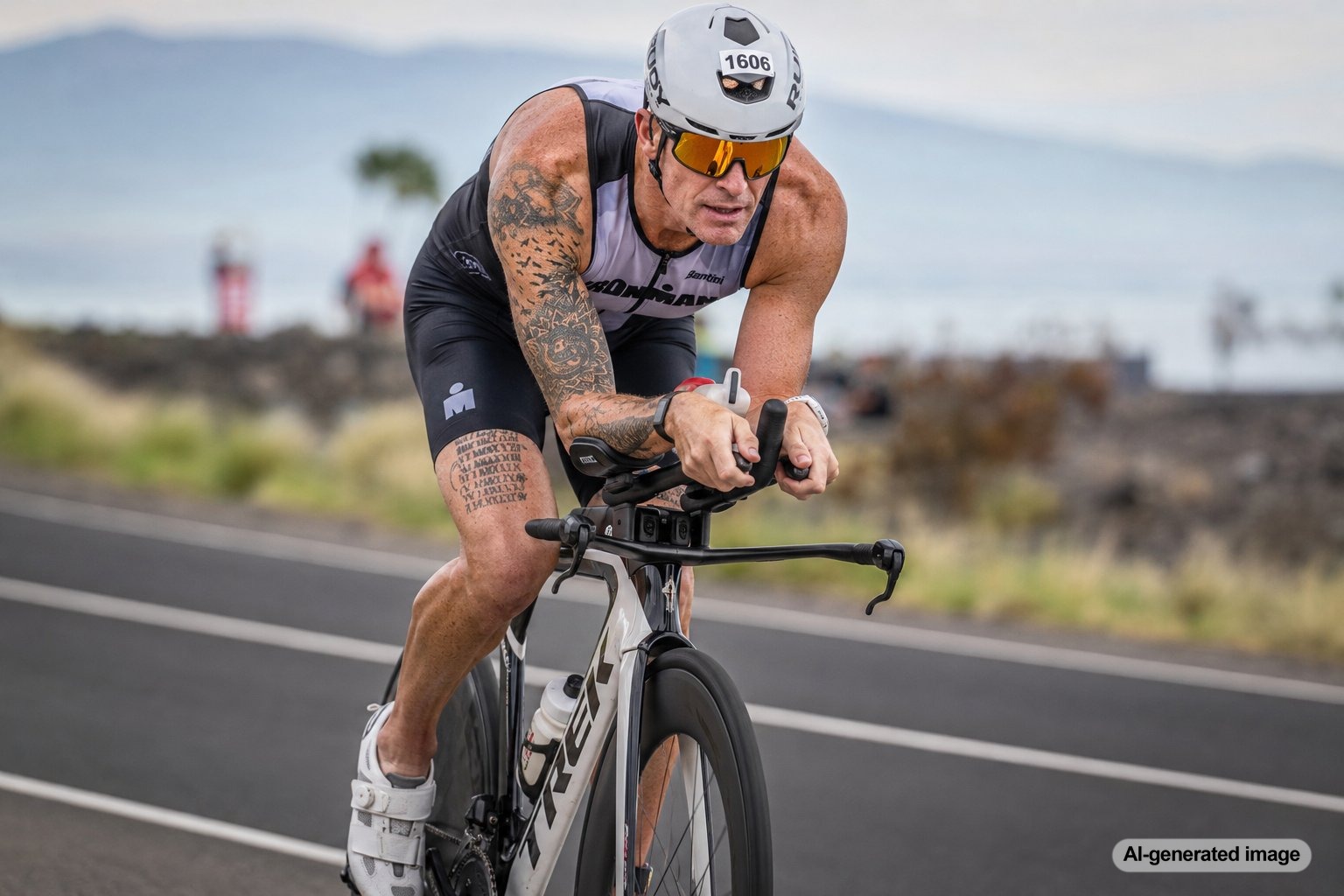
The bike course can look calm from the outside. The athlete is seated, the rhythm is steady, and the miles appear to pass in a clean line. Inside the race, it is rarely that simple. The bike can become a long conversation between patience and urgency, confidence and doubt, discipline and impulse.
Staying mentally strong on the bike course is not about pretending every mile feels good. It is about knowing what to do when the wind shifts, when the legs feel flat, when the course feels longer than expected, or when the mind starts searching for an exit. For endurance athletes, leaders, and anyone trying to keep moving through hard terrain, the bike course offers a clear lesson: strength is often built in the quiet middle, long before the finish line is visible. Greg Schaefer’s work as an endurance athlete, entrepreneur, speaker, and advocate is rooted in that same idea of forward motion. You can learn more about his story on the About Greg page.
Quick answer
- Break the course into smaller pieces. Do not race the entire distance in your head at once.
- Control what is controllable. Focus on effort, fueling, cadence, position, safety, and decisions.
- Use simple cues. Short phrases can bring your mind back when fatigue gets loud.
- Expect emotional swings. A difficult patch does not mean the race is falling apart.
- Protect the run. Mental strength on the bike includes the discipline not to overreact too early.
The bike course is a mental discipline test
In long-course racing, the bike is often where ambition gets tested. It is long enough for the mind to wander, exposed enough for conditions to matter, and important enough that one poor decision can shape the rest of the day. A strong bike split is not only a product of fitness. It is a product of judgment.
The athlete who stays mentally steady is not always the one feeling best at mile 20. It may be the athlete who can ride through uncertainty without panicking, stay patient when others surge, and remain honest about the effort required to finish well. On the bike, confidence cannot depend only on comfort. It has to come from preparation, self-awareness, and the ability to return to the next right action.
Start by narrowing your focus
One of the fastest ways to lose mental strength is to let the whole course arrive at once. Thinking about every climb, every mile, every turn, every aid station, and the run still ahead can make even a prepared athlete feel overwhelmed. The mind performs better when the task is specific.
Instead of asking, “How am I going to ride all of this?” narrow the question. Ask, “What does this next mile require?” or “What is the smartest decision right now?” That shift matters. It turns a massive challenge into a manageable sequence.
For some athletes, that means riding aid station to aid station. For others, it means breaking the course into terrain: the opening section, the first climb, the exposed stretch, the technical descent, the final miles before transition. The goal is not to ignore the distance. The goal is to stop carrying the entire distance at once.
Build a cue system before race day
When fatigue rises, complicated thinking gets harder. That is why mental cues should be simple, practiced, and easy to remember. A good cue is not a speech. It is a short phrase that brings attention back to the task.
Examples might include “steady pressure,” “fuel and breathe,” “smooth is strong,” “one more step,” or “ride the mile you are in.” The exact words matter less than the function. The cue should interrupt panic, reset attention, and reconnect the athlete to the plan.
This is also where Greg’s larger message of Forward Motion fits naturally. “One More Step… Just One More” is not only a phrase for dramatic moments. It is useful in the ordinary, repetitive, uncomfortable middle, where progress is made one decision at a time.
Separate discomfort from danger
Not every hard sensation means something is wrong. The bike course can bring burning legs, lower back fatigue, mental boredom, frustration, hunger, heat, chills, or impatience. Mental strength grows when an athlete learns to observe discomfort without immediately obeying it.
There is a difference between a normal hard patch and a true warning sign. Normal discomfort may require patience, adjustment, fueling, hydration, pacing correction, or a mental reset. A safety concern, mechanical issue, medical symptom, or dangerous condition requires a different response. Strength is not recklessness. It is clear thinking under stress.
A useful question is: “What is this asking me to do?” If the answer is “panic,” pause. If the answer is “fuel, back off slightly, settle my breathing, or ride smarter,” respond with discipline. The best athletes do not avoid discomfort. They interpret it better.
Protect yourself from comparison
Few things disrupt a bike-course mindset faster than watching other athletes pass. It can trigger urgency, ego, doubt, or the desire to chase a pace that does not belong to your race. The problem is that you usually do not know another athlete’s plan, fitness, pacing history, run strength, or risk level.
The rider who blows past you at mile 35 may be having the ride of their life. They may also be writing a check their run cannot cash. Your job is not to react to every move around you. Your job is to execute your race with enough humility and confidence to let other people make their own decisions.
That does not mean ignoring competition. It means using competition wisely. Let another rider’s move sharpen your attention, not hijack your plan. Return to cadence, effort, terrain, fueling, and form. Your race gets stronger when your attention comes back to what you can control.
Use the middle miles well
The middle of the bike course is often where the emotional work happens. The start-line excitement has faded, the finish still feels far away, and the mind starts negotiating. This is where many athletes begin asking unhelpful questions: “Why is this taking so long?” “Do I have enough today?” “What if the run falls apart?”
A stronger approach is to give the middle miles a job. Use them to fuel consistently. Use them to ride smoothly. Use them to check body position. Use them to stay patient. Use them to make the run possible.
For endurance athletes, the middle is not empty space. It is where discipline becomes visible. Anyone can feel strong early. The athlete who handles the middle well is often the athlete who arrives at transition with something left.
What athletes often miss
Mental toughness on the bike is not always louder effort. Sometimes it is quieter restraint. It is choosing not to surge when the plan says settle. It is fueling before you feel desperate. It is staying aero when the mind wants drama. It is accepting that a race can feel ugly for a while and still be moving in the right direction.
Practice mental strength in training
Race-day mindset is easier to trust when it has been tested in training. Long rides are not only fitness sessions. They are chances to rehearse the exact mental skills the course will demand.
Practice staying calm when the weather changes. Practice fueling on schedule when you are distracted. Practice riding steady after a frustrating moment. Practice technical patience on descents or turns. Practice being bored without becoming careless. These repetitions build familiarity, and familiarity lowers fear.
The bike course rewards athletes who have already met versions of the challenge before. Training does not remove uncertainty, but it gives the mind evidence. You can tell yourself, “I have been in a hard patch before. I know what to do next.”
Remember that the bike is part of a larger story
It is easy to treat the bike course as a battle to win by force. In triathlon, especially long-course racing, the bike is part of a sequence. What you do there affects what you can do later. Mental strength includes patience, perspective, and the maturity to think beyond the moment.
The same principle applies outside racing. In business, health, family, advocacy, and leadership, the hardest stretch is not always the visible finish. Often it is the long middle, where nobody is cheering loudly and the outcome is still uncertain. That is where identity gets tested. That is where values become actions.
Greg brings that perspective into his work with organizations, teams, and communities. His message is not about pretending hard things are easy. It is about staying honest, committed, and forward-moving when the road changes. For event planners and leaders interested in that message, the speaking page offers more detail.
FAQ
How do I stop negative thoughts during the bike leg?
You may not be able to stop every negative thought, but you can stop giving each one authority. Notice it, name it, and redirect your attention to a specific action: fuel, breathe, adjust position, hold cadence, or ride the next segment.
What should I focus on when the course feels overwhelming?
Focus on the next controllable decision. Long distances feel heavier when you mentally carry all of them at once. Bring your attention back to the next mile, the next aid station, or the next safe, smart choice.
Is it better to push through a bad patch or back off?
It depends on what is causing the bad patch. Sometimes the right move is patience and steady effort. Sometimes it is fueling, hydration, a pacing correction, or a safety decision. Mental strength includes being honest about what the body and course are telling you.
How can I train my mind for race day?
Use training rides to practice focus, fueling, patience, and recovery from frustration. Do not save your mental skills for race day. Rehearse them when the stakes are lower so they feel familiar when the pressure is higher.
Interested in bringing Greg’s message to your event or organization?
Learn more about Greg’s speaking work or get in touch to start the conversation.
Contact Greg or learn more about the Forward Motion Fund.
This article is for educational purposes only and is not medical advice. For diagnosis, treatment, or personalized medical guidance, please speak with a qualified healthcare professional.