How to Transition from Road Running to Trail Ultra-Marathons
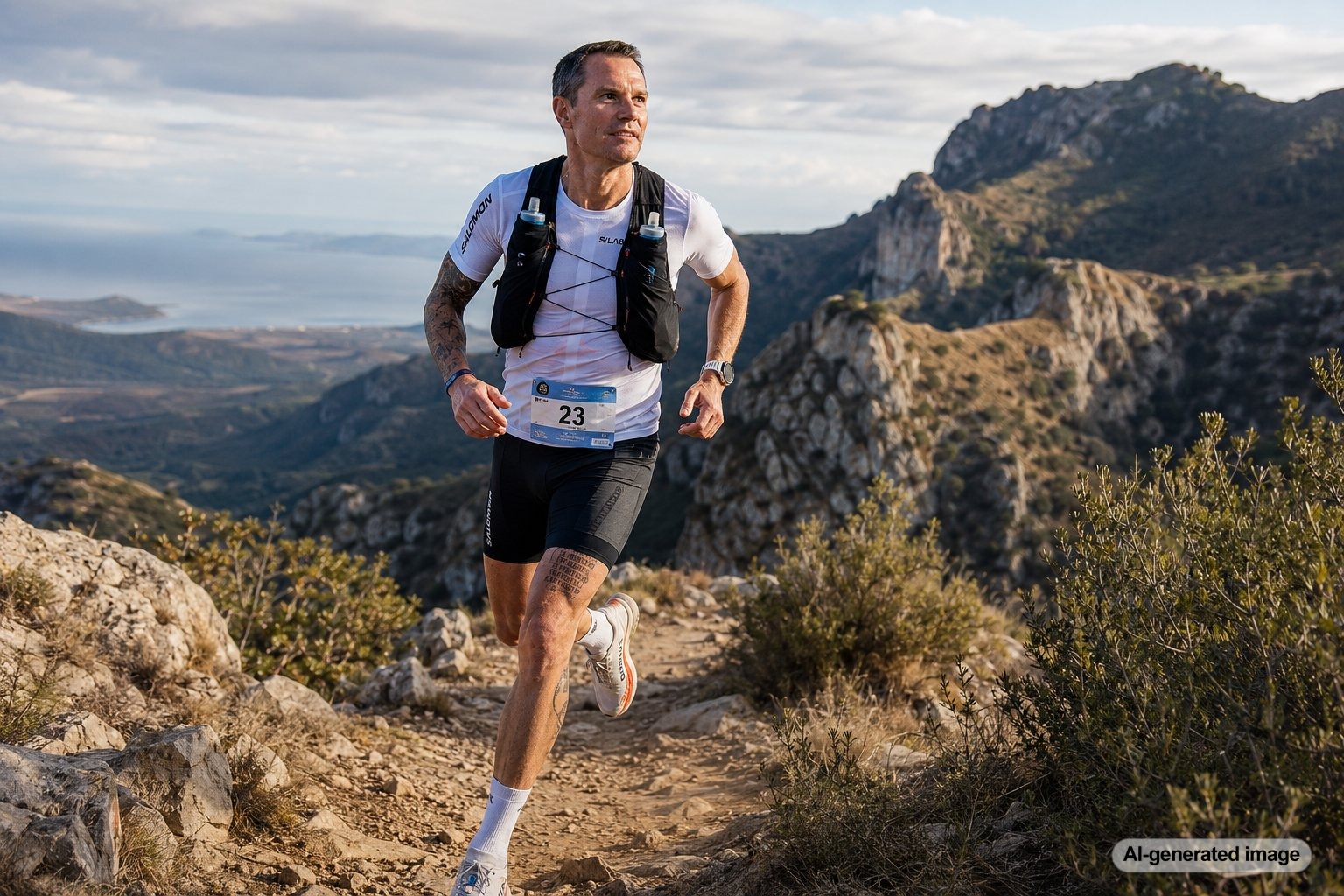
Transitioning from road running to trail ultra-marathons is less about becoming a different athlete and more about becoming a more adaptable one. Road running rewards rhythm, pace control, efficiency, and repetition. Trail ultras ask for all of that, then add terrain, patience, problem-solving, fueling discipline, hiking strength, and a willingness to adjust when the course refuses to cooperate.
For endurance athletes, this shift can be deeply rewarding. It invites a broader version of fitness: physical, mental, emotional, and tactical. That is part of what makes trail ultra-running such a powerful extension of the forward motion mindset Greg Schaefer often speaks about through his work as an athlete, entrepreneur, speaker, and advocate. You are not just chasing a finish line. You are learning how to keep moving when the path changes beneath your feet. Learn more about Greg’s broader story on the About Greg page or explore his work as a speaker.
Quick answer: what changes when road runners move to trail ultras?
- Pace becomes less reliable. Effort matters more than minutes per mile because elevation, rocks, roots, mud, weather, and darkness can change everything.
- Walking is part of the strategy. Strong hiking is not failure in trail ultras. It is often the smartest way to protect energy and finish well.
- Fueling becomes a skill. Longer time on feet means you need to practice eating, drinking, and managing your stomach during training.
- Strength and durability matter more. Trail running asks more from the feet, ankles, hips, core, and stabilizing muscles.
- Mindset becomes practical. Patience, humility, and problem-solving are not slogans. They are race-day tools.
Respect the difference between road pace and trail effort
One of the first adjustments road runners have to make is letting go of pace as the main measure of success. On the road, a steady mile split can tell you a lot. On a technical trail, that same split may tell you almost nothing. A 10-minute mile on smooth dirt may feel comfortable, while a 16-minute mile over steep, rocky terrain may be far harder.
Instead of asking, “How fast am I going?” start asking, “Is this effort sustainable for the distance and terrain ahead?” Use perceived effort, breathing, heart rate if you track it, and how your legs feel over time. A trail ultra rewards the runner who can stay calm when the numbers look unfamiliar.
This is also where road discipline still helps. Road runners often bring strong aerobic foundations and the ability to stay consistent for long periods. The key is transferring that discipline from pace to effort. The watch can still be useful, but it should not become the boss.
Build your trail legs before you chase distance
A common mistake is assuming that road mileage translates cleanly to trail mileage. It helps, but it is not the full picture. Trails create different stress. Downhills load the quads. Uneven ground challenges the ankles and feet. Tight turns, rocks, roots, and climbs demand small adjustments over and over again. Those little demands add up.
Before jumping into huge trail volume, spend several weeks building trail familiarity. Run easier than you think you need to. Choose routes with moderate terrain first, then gradually add climbing, descending, technical footing, and longer time on feet. Your cardiovascular system may be ready before your connective tissue and stabilizing muscles are.
Think of this as earning durability. The strongest trail ultra runners are not always the ones who look fastest early. They are the ones whose bodies keep responding after hours of irregular movement.
Learn to hike with purpose
Road runners sometimes treat walking as a sign that something went wrong. In trail ultra-marathons, hiking can be a mark of experience. On steep climbs, hiking may be more efficient than running. It can keep breathing under control, protect the legs, and allow you to eat or reset mentally.
Practice hiking during training so it feels deliberate, not defeated. Work on a tall posture, short powerful steps, steady breathing, and smooth transitions back into running when the grade changes. If your race includes long climbs, include uphill hiking intervals in training. If poles are allowed and appropriate for the race, practice with them before race day rather than experimenting when tired.
The goal is not to run every step. The goal is to keep moving intelligently. That distinction matters in ultra-running and in life.
Train downhill strength, not just climbing power
Climbing gets attention because it feels hard in the moment, but downhills can decide how your race feels late. Long descents can punish the quads, especially if you are used to flatter road running. Technical downhills also require focus, foot placement, confidence, and controlled relaxation.
Add downhill exposure gradually. Start with gentle descents and build toward longer or more technical ones. Keep your stride light. Avoid heavy braking when possible. Let your cadence quicken naturally, keep your eyes scanning several steps ahead, and stay relaxed through the shoulders.
Strength training can help here. Single-leg work, step-downs, lunges, calf raises, hip stability exercises, and core work can build the control needed for uneven ground. You do not need to become a gym specialist, but you do need a body that can handle repetition under fatigue.
Practice fueling like it is part of training, because it is
In a road race, many runners can get through on a familiar gel pattern and aid-station rhythm. In a trail ultra, especially one that lasts many hours, fueling becomes a central skill. Your stomach, hydration, sodium strategy, food preferences, and ability to keep eating while moving all need practice.
Use long runs to test what works. Try different combinations of gels, chews, real food, sports drink, soft foods, and salty options. Notice what sits well when climbing, descending, or running in heat. Learn whether you prefer small frequent calories or slightly larger scheduled intake. Do not wait until race day to find out that your plan works only for two hours.
Also practice aid-station decision-making. It is easy to lose 15 minutes standing around because you are tired and overwhelmed. Before the race, know what you need at each stop: refill bottles, eat, grab supplies, manage layers, and move on. Calm preparation protects momentum.
Choose gear for function, not status
Trail ultra gear can get complicated quickly, but the basics are simple: shoes that match the terrain, socks that reduce friction, a pack or belt that lets you carry fluids and fuel, layers appropriate for the weather, and required race equipment. The best gear is the gear you have tested under real conditions.
Road shoes may work on smooth dirt, but more technical trails often require better grip, protection, and stability. Practice in the shoes you plan to race in. Test your pack when full. Learn where it rubs. Try your headlamp in the dark. Carry the jacket you may need in bad weather and make sure you can access it without unpacking everything.
Nothing should be new on race day unless there is no alternative. In ultras, small discomforts can become big problems when repeated for hours.
Make your long runs more specific
Road marathon training often builds around pace-based workouts and long runs. Trail ultra training still needs consistency, but specificity becomes more important. Time on feet may matter more than distance. Back-to-back runs can teach you how to move on tired legs. Hilly routes can prepare you for elevation. Technical trails can sharpen focus and footwork.
If your goal race has 8,000 feet of climbing, a flat long run will not prepare you fully. If the course is rocky, smooth bike paths will leave gaps. If the race starts before sunrise or finishes after dark, include some safe low-light training. Train for the race you actually chose, not the race that would be most convenient to prepare for.
At the same time, do not abandon recovery. Trail ultra training can be demanding because the body absorbs stress from both mileage and terrain. Easy days, sleep, mobility, nutrition, and lighter weeks are not signs of softness. They are how the training becomes sustainable.
Expect emotional waves and plan for them
Every ultra has moments when the mind starts negotiating. A climb feels endless. A descent beats up the legs. The stomach gets uncertain. The miles between aid stations stretch longer than expected. The weather changes. Doubt gets loud.
The mistake is assuming that a hard patch means the race is falling apart. In ultra-running, low moments often pass if you keep solving the next small problem. Eat something. Drink. Adjust layers. Slow down. Hike. Breathe. Get to the next landmark. Make the task smaller.
This is where trail ultras become more than athletic events. They teach a practical version of resilience. Not the loud kind. The quiet kind. The kind that says, “Take one more step, then decide again.” That mindset connects closely to Greg’s mission and the spirit behind the Forward Motion Fund.
Common mistakes road runners make in their first trail ultra
- Starting too fast because the early miles feel easy. Trail ultras often charge interest later.
- Judging the race by road splits. Terrain can make pace comparisons misleading.
- Ignoring downhill preparation. Quads can fade quickly after long descents.
- Trying new gear on race day. Untested shoes, packs, socks, or foods can create avoidable problems.
- Waiting too long to eat or drink. Once you fall behind on fueling, it can be difficult to catch up.
- Underestimating the mental load. Trail ultras require patience, awareness, and constant small decisions.
A simple progression for road runners
If you are coming from the road, start with a trail half marathon or 25K before jumping to a 50K or longer. Then build toward longer trail events as your body adapts. A smart progression might look like this: several weeks of easy trail runs, then a hilly trail race, then longer trail-specific long runs, then a 50K, and only later a 50-mile or 100K goal.
This progression is not about limiting ambition. It is about respecting adaptation. The longer the event, the more your preparation must include not only fitness, but logistics, terrain skill, fueling, weather management, and mental steadiness.
FAQ
Can road runners become strong trail ultra-marathoners?
Yes. Road runners often bring valuable strengths, including aerobic fitness, discipline, consistency, and pacing awareness. The transition works best when they add trail-specific skills, strength, fueling practice, and patience with uneven terrain.
How much trail running should I do before my first ultra?
There is no single number that fits everyone, but your training should include enough trail time to make climbing, descending, uneven footing, and longer effort feel familiar. If your race is on trails, a meaningful portion of your long runs should be on similar terrain.
Should I run or hike the climbs?
It depends on the grade, distance, race length, and your fitness. In many trail ultras, hiking steep climbs is smart strategy. Practicing the run-hike transition can help you conserve energy and move more efficiently.
Do I need special shoes for trail ultra-marathons?
For many races, yes. Trail shoes can offer better traction, protection, and stability than road shoes. The right choice depends on the terrain, weather, and your own comfort. Always test shoes well before race day.
What is the most important mindset shift?
Let go of perfect control. Trail ultras reward athletes who can adapt, solve problems, and keep moving even when conditions change. The best race plan is strong enough to guide you and flexible enough to survive reality.
Interested in bringing Greg’s message to your event or organization?
Learn more about Greg’s speaking work or get in touch to start the conversation.
Contact Greg or learn more about the Forward Motion Fund.
This article is for educational purposes only and is not medical advice. For diagnosis, treatment, or personalized medical guidance, please speak with a qualified healthcare professional.