

How To Handle A Rough Swim And Still Race Well
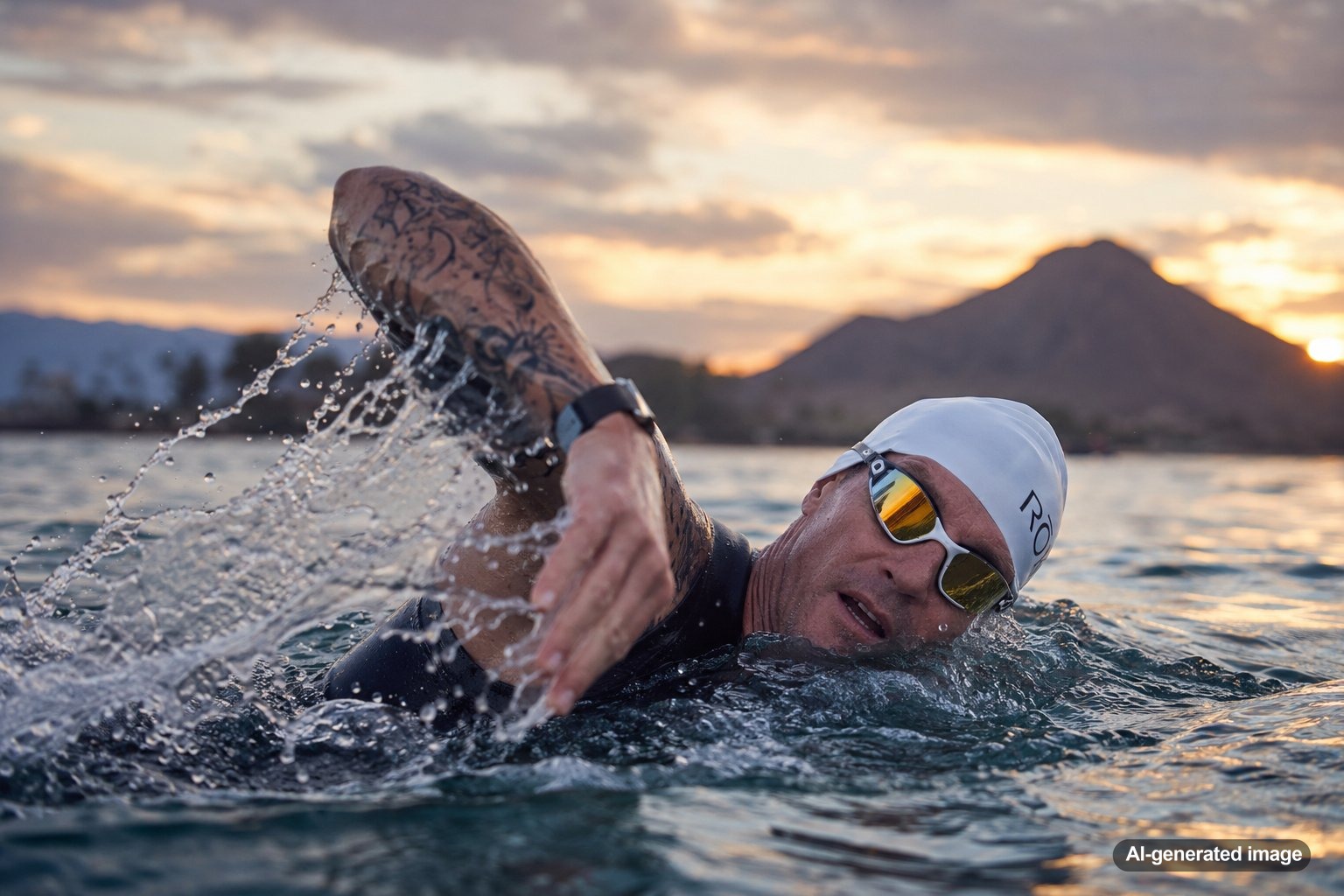
A rough swim can shake even a prepared athlete. The water may be colder than expected. The chop may be stronger. The pack may feel crowded. Goggles may fog, breathing may get ragged, and a race plan that felt calm on paper can suddenly feel very far away.
But a difficult swim does not have to define the rest of the day. In triathlon, especially long-course racing, the swim is only one part of a much larger test. The athletes who race well after a rough start are not always the ones who avoid problems. They are often the ones who know how to settle, assess, and move forward without letting one hard section take over the whole race. That mindset sits close to Greg Schaefer’s larger message of forward motion: one step, one stroke, one decision at a time. You can learn more about that message through Greg’s story.
Quick answer
- Slow the panic response first. A few controlled breaths can do more for your race than forcing speed when you are rattled.
- Separate facts from fear. Ask what is actually happening: current, crowding, sighting trouble, cold, or fatigue.
- Make the bike your reset zone. The first miles after transition are for calming down, fueling, and rebuilding rhythm.
- Do not chase lost time recklessly. Over-biking after a bad swim can turn one rough segment into a full-day collapse.
- Keep the story small. A bad swim is a bad swim. It is not proof that the whole race is gone.
Why a rough swim feels bigger than it is
The swim happens first, which gives it emotional weight. There is no earlier part of the race to balance it out. If you exit the water frustrated, anxious, or behind your expected pace, it can feel like you are already trying to recover before the race has truly opened up.
Open water also removes many of the comforts athletes rely on in training. There are no lane lines. Visibility may be poor. Contact with other swimmers can break rhythm. Sighting can pull the body out of alignment. The energy of race morning can turn small problems into loud ones.
That is why the first skill is not speed. It is composure. A calm athlete can solve. A panicked athlete usually stacks mistakes. The difference may show up in a simple decision: taking ten seconds to float, breathe, and reset rather than thrashing harder and burning energy that will be needed later.
Step one: regain your breathing before you judge your race
When the swim turns rough, the mind often jumps straight to conclusions: I am too slow. I am in trouble. I trained for the wrong conditions. Everyone is passing me. Those thoughts may feel true in the moment, but they are not always useful.
Start with the body. Shorten the stroke if needed. Roll to one side. Switch briefly to breaststroke if that helps you orient yourself. Focus on one full exhale into the water, then one clean inhale. Repeat until breathing feels less frantic. This is not quitting. It is race management.
There is a difference between losing a few seconds to restore control and losing ten minutes because panic keeps building. In endurance racing, calm is not soft. Calm is efficient.
Step two: identify the real problem
A rough swim can have several causes, and each one requires a different response. Treating every problem as a fitness failure is one of the fastest ways to spiral.
- If the issue is crowding, move slightly wider, find cleaner water, and accept that a longer line may be calmer and faster overall.
- If the issue is sighting, choose larger landmarks beyond the buoy when possible, such as a building, tree line, or inflatable arch.
- If the issue is cold, focus on steady breathing and controlled movement rather than fighting the water.
- If the issue is chop or current, shorten the stroke, keep the head lower when possible, and avoid wasting energy battling every wave.
- If the issue is anxiety, reduce the task to the next buoy, the next breath, or the next ten strokes.
Specific problems are easier to manage than vague dread. Once you name what is happening, you can respond like an athlete instead of reacting like the race is slipping away.
Step three: use transition as a mental reset
Transition is not just a place to change gear. After a hard swim, it can become the first true reset of the day. Instead of carrying frustration into T1, use the routine to come back to the present.
Move with purpose, but do not rush so wildly that you forget basic tasks. Get your helmet on. Find your shoes. Take in fluid or calories if that is part of your plan. Notice whether your hands are cold, whether your heart rate is high, and whether you are thinking clearly.
The goal is not to pretend the swim did not happen. The goal is to keep it from controlling the bike.
Step four: do not punish the bike for what happened in the water
One of the most common race-day mistakes is trying to win back swim time immediately on the bike. That can feel satisfying for the first few miles. It can also create problems that show up later on the run.
A better approach is to ride the first stretch with discipline. Let your breathing settle. Follow your planned effort. Start fueling early if that is part of your race strategy. Use the bike to rebuild control, not to prove something.
In long-course racing, patience is often faster than anger. A rough swim may cost a few minutes. An emotional bike leg can cost far more.
What people often miss after a bad swim
The emotional recovery matters as much as the physical recovery. Many athletes leave the water with enough fitness to race well, but they mentally keep re-entering the swim. They replay the contact, the missed buoy, the panic, or the split they did not want. That replay drains focus from the miles still ahead.
The strongest reset is simple: tell the truth, then move on. The swim was rough. You handled it. Now you are on the bike. That is the race in front of you.
How to train for a rough swim before race day
You do not need to manufacture chaos, but you can prepare for imperfect conditions. Practice sighting when tired. Swim with others when safe and appropriate. Learn what it feels like to restart after losing rhythm. Rehearse a calm response to fogged goggles, unexpected contact, or a missed breath.
Mental rehearsal also helps. Before race day, decide what you will do if the swim gets uncomfortable. A pre-made plan gives your brain something solid to reach for when adrenaline rises. For example: breathe, widen, sight, reset, continue. Five plain words can be enough.
This kind of preparation connects directly to endurance beyond sport. Greg’s life and platform are rooted in the belief that forward motion is often built in small decisions, not dramatic speeches. That same idea applies in the water, on the bike, on the run, in leadership, and in the hard seasons of life. For organizations looking to bring that message to teams, events, or communities, Greg’s speaking work brings those lessons into a wider room.
FAQ
Can you still have a good race after a bad swim?
Yes. A rough swim can be frustrating, but it does not automatically ruin the race. The key is to avoid turning one difficult section into a chain reaction. Reset in transition, ride with discipline, and keep the focus on the next smart decision.
What should I do if I panic during the swim?
Prioritize safety and breathing. Slow down, roll to your side, tread water, or use a stroke that helps you regain control. If you need assistance, signal for help according to race safety rules. No finish time is more important than safety.
Should I change my race goals after a rough swim?
Sometimes a goal adjustment is wise, but do not make that decision while emotions are still high. Get through transition, settle into the bike, and reassess once your breathing, fueling, and effort feel steady.
How do I stop thinking about the swim during the bike?
Use process cues. Focus on cadence, breathing, fueling, posture, and effort. Give your mind a job in the present. The more specific the cue, the less room there is for replaying frustration.
What is the biggest mistake athletes make after a rough swim?
The biggest mistake is usually overcorrecting. Charging too hard on the bike, skipping nutrition, or racing emotionally can create bigger problems than the swim itself. Smart recovery is part of racing well.
Interested in bringing Greg’s message to your event or organization?
Learn more about Greg’s speaking work or get in touch to start the conversation.
Contact Greg or learn more about the Forward Motion Fund.
This article is for educational purposes only and is not medical advice. For diagnosis, treatment, or personalized medical guidance, please speak with a qualified healthcare professional.


