
What Riding In Aero Position Teaches You About Focus
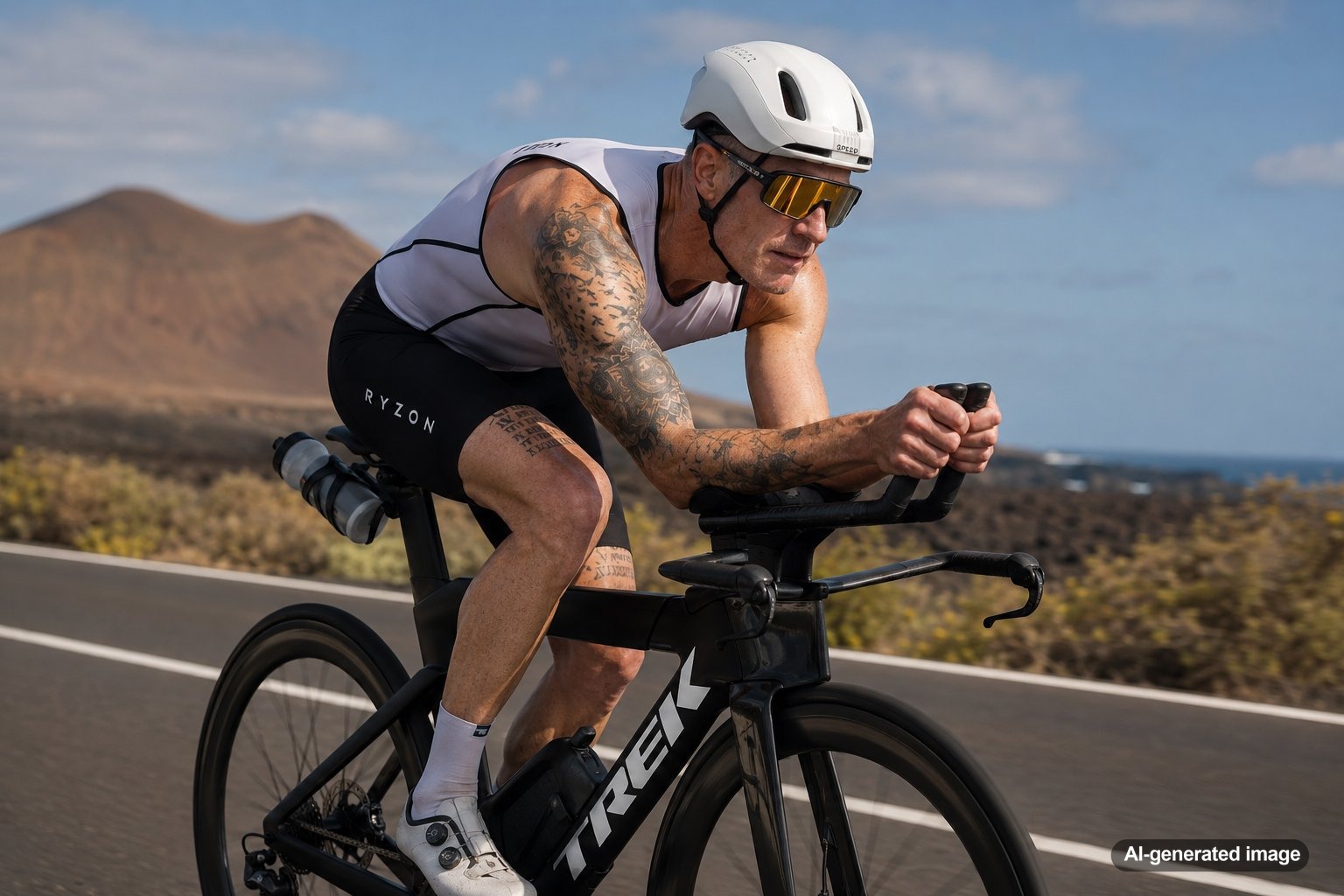
Riding in aero position looks simple from the outside. Get low, get narrow, stay still, and let the bike move. But anyone who has spent real time there knows the truth: aero is not only a body position. It is a mental position.
You are asking your body to hold a disciplined shape while your mind wants to wander, negotiate, complain, or chase everything happening around you. In that tight, quiet space between comfort and speed, aero teaches a lesson that carries far beyond triathlon: focus is not the absence of distraction. Focus is the repeated decision to return to what matters.
For Greg Schaefer, a 20-time Ironman, entrepreneur, speaker, husband, dad, and Parkinson’s advocate, endurance sport has never been just about finish lines. It has been a training ground for leadership, resilience, family, purpose, and forward motion. You can learn more about Greg’s broader story on the About Greg page.
Quick answer: what aero position teaches about focus
- Focus is physical before it is mental. Your posture, breath, and body position affect your ability to stay present.
- Small adjustments matter. A tiny shift in attention, cadence, or tension can change the whole ride.
- Discomfort is information. It does not always mean stop. Sometimes it means soften, reset, and keep going.
- Speed rewards patience. The fastest choice is often the quietest one: hold steady, stay efficient, and do not overreact.
- Forward motion is built one return at a time. You drift. You notice. You come back.
Aero position narrows your world
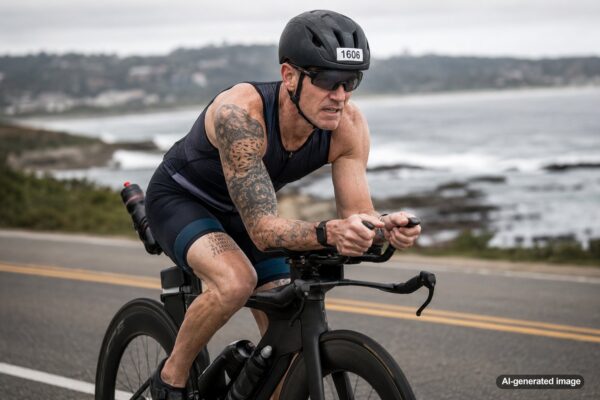
When you are riding upright, the world feels wider. You can shift around, look around, stretch more easily, and respond to everything around you. Aero position changes the experience. Your elbows settle into the pads. Your shoulders narrow. Your eyes find the road ahead. Your body becomes more compact and more committed.
That narrowing is part of the lesson. In life and leadership, focus often requires the same kind of narrowing. Not forever. Not in a rigid or unhealthy way. But for the stretch of road in front of you, you choose what deserves your attention and what does not.
There is a quiet humility in that. Focus asks you to admit that you cannot carry every thought, every worry, every opinion, and every future scenario at the same time. You have to decide what belongs in the moment.
The body gives the mind something to obey
One overlooked part of focus is that it is not only a mental exercise. In aero position, the body becomes a kind of anchor. Keep your head calm. Relax your hands. Stay long through the back. Keep the pedals smooth. Breathe. Return.
That kind of physical structure can help quiet mental noise. The mind may still wander, but the body gives it a place to come back to. This is true in racing, but it is also true before a keynote, during a difficult meeting, inside a family challenge, or in any season where life demands more steadiness than certainty.
Focus becomes less about forcing your mind to be perfect and more about creating a repeatable way back.
Discomfort does not always deserve the steering wheel
Aero position is rarely comfortable for long without practice. The neck can get tired. The hips can feel tight. The back may ask questions. The mind starts bargaining. Sit up for a second. Ease off. Look around. Break the position.
Sometimes those signals deserve attention. Athletes should listen to pain, fit issues, safety concerns, and real warning signs. But not every uncomfortable signal is a command. Some discomfort is simply the cost of holding the line.
That distinction matters. In endurance sport, business, advocacy, and personal adversity, discomfort can either become the driver or become useful information. Focus does not mean ignoring reality. It means learning how to respond instead of react.
Efficiency is a form of discipline
Aero position is designed around efficiency. You are trying to reduce drag, conserve energy, and move through resistance with less waste. That principle applies beyond the bike. Focus often improves when we remove unnecessary friction.
What drains energy without moving the mission forward? What conversation keeps repeating without progress? What task looks urgent but does not matter? What habit burns attention before the real work begins?
These are not abstract questions. They are leadership questions. They are family questions. They are training questions. They are purpose questions. The more resistance you remove, the more energy you can give to what actually deserves it.
The road still changes
Riding aero does not mean the road becomes predictable. Wind shifts. Cars pass. Pavement changes. Aid stations appear. Hills arrive. The discipline is not pretending conditions are perfect. The discipline is staying aware enough to adapt without losing yourself.
That is one of the strongest lessons endurance sports can offer. Real focus is not fragile. It can adjust. It can sit up when safety requires it. It can change gears when the climb begins. It can return to position when the road opens again.
In life, rigid focus can break under pressure. Resilient focus bends, recalibrates, and keeps moving.
What people often miss about focus
People often think focus means intensity. Sometimes it does. But more often, focus is quieter than that. It is the athlete choosing smooth cadence instead of panic. The leader choosing clarity instead of noise. The advocate choosing mission over ego. The parent choosing presence over distraction.
In aero position, the loudest effort is not always the best effort. Tension wastes energy. Overcorrection costs speed. Panic spreads through the body. The work is to stay strong without becoming stiff.
That balance is hard to learn, and that is why it matters.
Practical takeaways from the aero mindset
- Choose your line. Before the hard part begins, know what deserves your attention.
- Check your tension. Tight hands, tight shoulders, and tight thinking often travel together.
- Use a simple cue. A phrase like “steady,” “breathe,” or “one more step” can bring you back when your mind drifts.
- Respect feedback. Discomfort, fatigue, and stress are signals. Learn which ones need action and which ones need patience.
- Return without drama. Losing focus is human. Coming back is the skill.
FAQ
Why does aero position require so much focus?
Aero position asks the rider to hold a specific posture while staying aware of cadence, breathing, road conditions, effort, and safety. That combination requires both physical discipline and mental steadiness.
What can non-athletes learn from aero position?
Non-athletes can take the broader lesson: focus improves when you reduce distractions, manage tension, stay aware of changing conditions, and keep returning to the task in front of you.
Is focus the same as pushing harder?
No. Focus is not always about force. Often it is about efficiency, patience, and knowing where to place your attention. Pushing harder without direction can waste energy.
How does this connect to leadership?
Leaders often face noise, pressure, shifting conditions, and competing priorities. The aero mindset reminds leaders to stay clear, conserve energy for what matters, and adapt without losing the larger mission.
The bottom line
Aero position teaches that focus is not a personality trait reserved for the naturally disciplined. It is a practice. It is built through posture, breath, awareness, patience, and the willingness to come back again and again.
On the bike, that return might happen every few seconds. In life, it may happen every morning. In business, it may happen after a setback. In advocacy, it may happen when the mission feels bigger than the moment.
The lesson is simple, but not easy: narrow the noise, hold your line, adjust when needed, and keep moving forward.
Interested in bringing Greg’s message to your event or organization?
Learn more about Greg’s speaking work or get in touch to start the conversation.
Contact Greg or learn more about the Forward Motion Fund.
This article is for educational purposes only and is not medical advice. For diagnosis, treatment, or personalized medical guidance, please speak with a qualified healthcare professional.