How To Maintain Mobility While Living With Parkinson’s
Maintaining mobility while living with Parkinson’s is not about pretending the diagnosis is simple. It is about building steady, realistic habits that support movement, confidence, and independence over time. Parkinson’s can affect walking, balance, posture, flexibility, coordination, energy, and confidence in public spaces. The experience can also vary widely from person to person, which is why mobility support should be personal, flexible, and guided by qualified professionals.
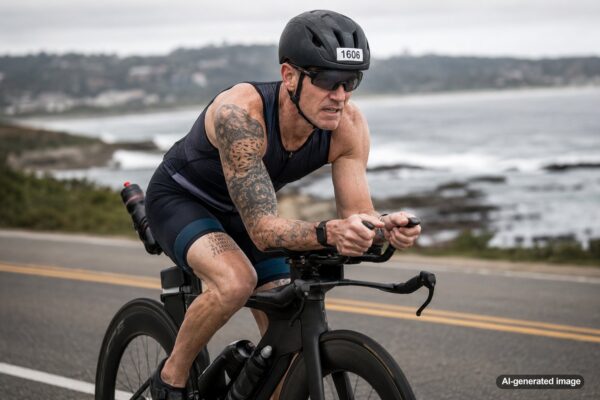
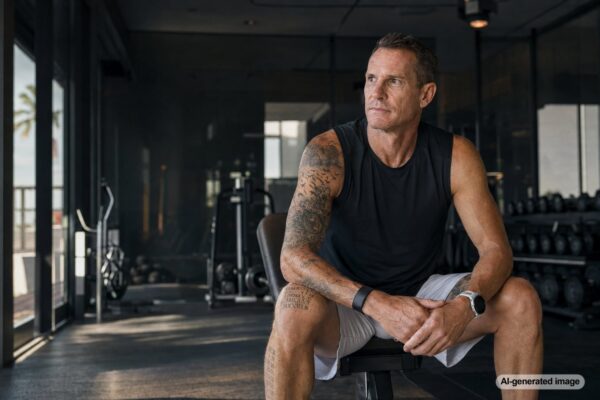
For Greg Schaefer, movement is more than exercise. It is part of identity, family, leadership, endurance, and the decision to keep taking one more step. His story as a dad, husband, former CEO, speaker, 20-time Ironman, and person living with Young-Onset Parkinson’s reflects a broader truth: mobility is not only physical. It is also emotional, practical, and deeply connected to purpose. You can learn more about Greg’s story on the About Greg page.
Quick answer
- Work with a clinician, physical therapist, or Parkinson’s-informed care team before starting or changing an exercise routine.
- Build a balanced movement plan that may include aerobic activity, strength work, stretching, and balance practice.
- Use daily movement cues, safe home setups, and intentional routines to reduce hesitation and support confidence.
- Pay attention to fatigue, medication timing, freezing, fall risk, and changing symptoms.
- Protect hope by focusing on consistency, not perfection.
Mobility starts with a plan, not just willpower
One of the most important shifts is moving from vague motivation to a clear mobility plan. Parkinson’s can make movement less automatic. Tasks that once required no thought, such as turning around, stepping through a doorway, rising from a chair, or walking in a crowded space, may start to require attention and strategy. That is not a character flaw. It is part of why planning matters.
A helpful plan often begins with a conversation with a neurologist, physical therapist, occupational therapist, or other qualified professional. They can help evaluate gait, balance, strength, flexibility, posture, and fall risk. They can also help tailor movement to the person’s current abilities, medications, symptoms, and goals. For some people, the goal may be training for an endurance event. For others, it may be walking safely through the grocery store, getting down the stairs, playing with children or grandchildren, or feeling steadier at work.
The best plan is not always the most intense one. It is the one that is safe, repeatable, and meaningful enough to continue.
Use the four-part foundation: endurance, strength, flexibility, and balance
Many Parkinson’s exercise resources point toward a well-rounded approach. That does not mean every person needs the same routine. It means mobility is supported by several systems working together.
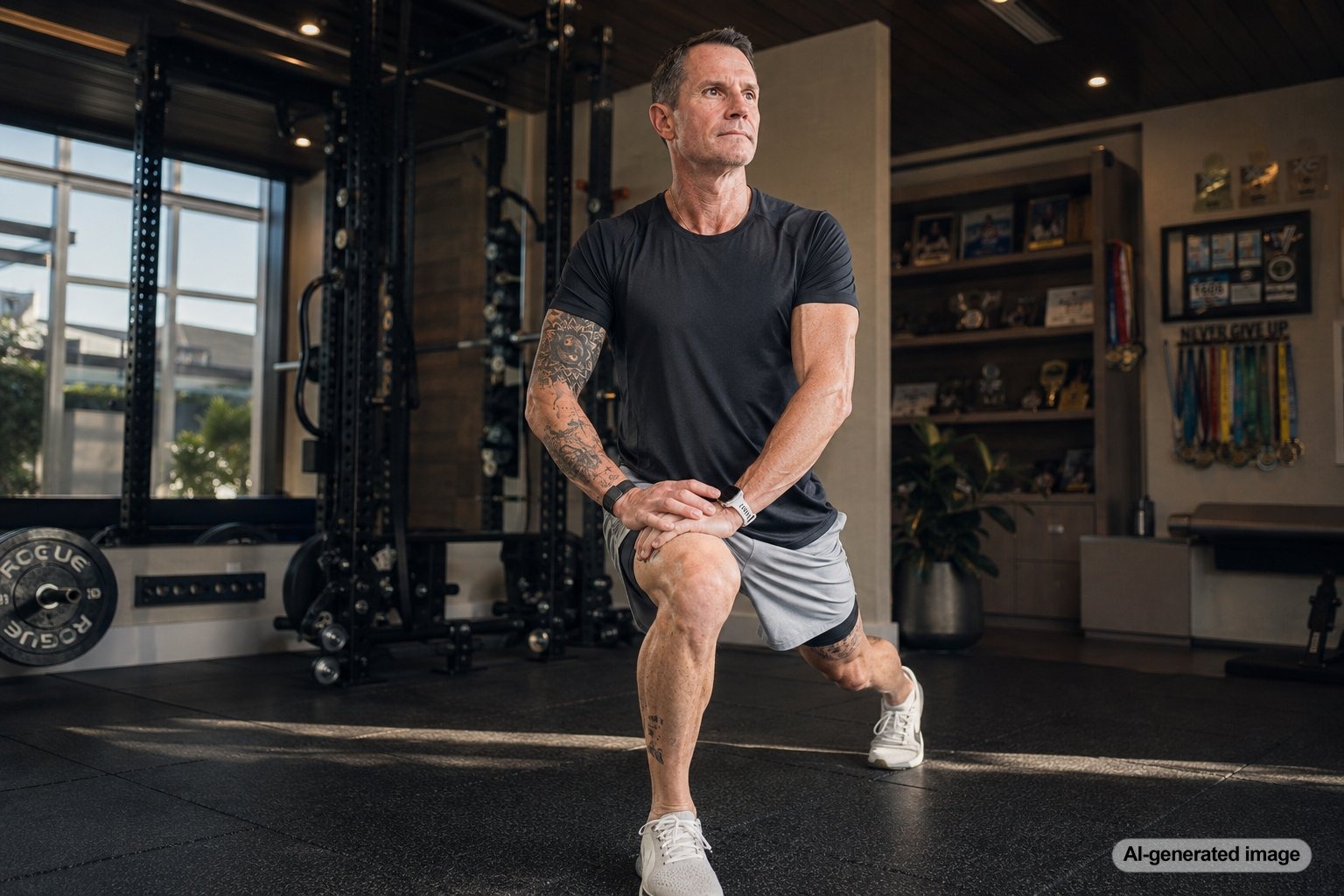
- Endurance or aerobic movement can include walking, cycling, swimming, dancing, boxing-style fitness, or another clinician-approved activity that raises the heart rate safely.
- Strength training can support posture, transfers, stair climbing, and daily confidence.
- Flexibility work can help address stiffness and support range of motion.
- Balance and coordination practice can help with turning, shifting weight, stepping, and navigating real-world environments.
This is where Greg’s endurance background offers a useful lesson without becoming a one-size-fits-all prescription. An Ironman mindset is not only about long races. It is about preparation, pacing, discipline, recovery, and adapting when conditions change. For someone living with Parkinson’s, the same principle can apply to daily mobility: show up consistently, adjust intelligently, and respect the body you are working with today.
Practice the movements that show up in real life
Mobility is not limited to workouts. It shows up in ordinary moments: getting out of a car, carrying groceries, walking across uneven pavement, moving through a crowded room, turning in a hallway, stepping into a shower, or rising from a restaurant chair. A strong mobility routine should eventually connect to those real-life tasks.
That may mean practicing sit-to-stand movements, gentle weight shifts, controlled turns, posture resets, or walking with deliberate arm swing. It may mean learning cueing strategies from a therapist, such as counting, using rhythm, stepping over a visual target, or breaking a movement into smaller parts. Some people with Parkinson’s experience freezing or hesitation, especially in tight spaces or transitions. When that happens, a trained professional can help identify strategies that may improve safety and confidence.
The overlooked angle is that small spaces matter. Doorways, bathrooms, kitchens, parking lots, and event venues can all create different mobility demands. A person may walk well in one setting and feel stuck in another. Building awareness around those patterns can make support more precise.
Make the home environment work with you
Mobility is not only about the body. It is also about the environment. A home that once felt easy to navigate can become more demanding when balance, reaction time, or foot clearance changes. Small adjustments may reduce risk and make daily movement feel less stressful.
Examples may include improving lighting, reducing clutter, securing loose rugs, creating clear walking paths, using sturdy footwear, placing frequently used items within safe reach, and considering grab bars or railings when appropriate. These changes are not about giving up independence. They are about protecting it.
Care partners and family members can be helpful here, but the tone matters. Support should not feel like surveillance or pity. It should feel like teamwork. Greg’s broader message of forward motion fits this kind of practical resilience: do what helps you keep participating in your life.
Respect timing, fatigue, and symptom changes
Parkinson’s mobility can fluctuate. Energy, stress, sleep, medication timing, hydration, pain, and the demands of the day may all influence how movement feels. A routine that works well in the morning may feel different later. A walk that felt manageable last month may need adjustment after symptoms change.
That is why tracking patterns can be useful. Some people benefit from noticing when they feel most mobile, when stiffness is more noticeable, what situations create hesitation, and what kinds of movement seem to help. This is not about obsessing over every symptom. It is about giving the care team better information and giving the person living with Parkinson’s more agency.
What people often miss
Mobility is not just a fitness goal. It is a daily-life strategy. The goal is not to perform perfectly. The goal is to keep building the physical, emotional, and practical supports that make movement safer and more possible.
Keep movement connected to purpose
Consistency is easier when movement has meaning. For one person, that meaning may be staying active with family. For another, it may be continuing to travel, speak, work, volunteer, train, or show up for a cause. Greg’s platform is rooted in that kind of purpose. Parkinson’s is part of his story, but it is not the whole story. His work brings together family, business leadership, endurance sports, advocacy, and mission-driven impact.
That wider view matters. When mobility becomes only a medical task, it can feel heavy. When it is connected to life, identity, and service, it can become something stronger. Not easy. Not guaranteed. But worth protecting.
For organizations, teams, and communities looking for a grounded voice on resilience, adversity, leadership, and forward motion, Greg’s speaking work brings these themes into a human, practical context.
FAQ
Can exercise help people with Parkinson’s maintain mobility?
Exercise and physical activity can be part of supporting mobility, flexibility, balance, and quality of life for many people with Parkinson’s. The right approach should be personalized and discussed with a qualified healthcare professional.
What kind of movement is best for Parkinson’s?
There is no single best option for everyone. Many people benefit from a mix of aerobic movement, strength training, stretching, and balance practice. The best routine is one that is safe, clinician-approved, and realistic enough to continue.
Should someone with Parkinson’s exercise on difficult symptom days?
It depends. Some days may call for a modified routine, gentler movement, or rest. Symptom changes, dizziness, pain, freezing, falls, or sudden decline should be discussed with a clinician.
How can family members support mobility without being overbearing?
Ask what kind of support is actually helpful. Practical help, safer spaces, encouragement, and patience often matter more than constant correction. The goal is dignity, not control.
When should someone seek professional help for mobility changes?
It is wise to seek guidance if there are falls, near falls, freezing episodes, new walking changes, increased stiffness, trouble with stairs, difficulty rising from chairs, or fear of movement. A clinician or physical therapist can help evaluate next steps.
Interested in bringing Greg’s message to your event or organization?
Learn more about Greg’s speaking work or get in touch to start the conversation.
Contact Greg or learn more about the Forward Motion Fund.
This article is for educational purposes only and is not medical advice. For diagnosis, treatment, or personalized medical guidance, please speak with a qualified healthcare professional.