

How To Stay Calm During The Open-Water Leg Of An Ironman
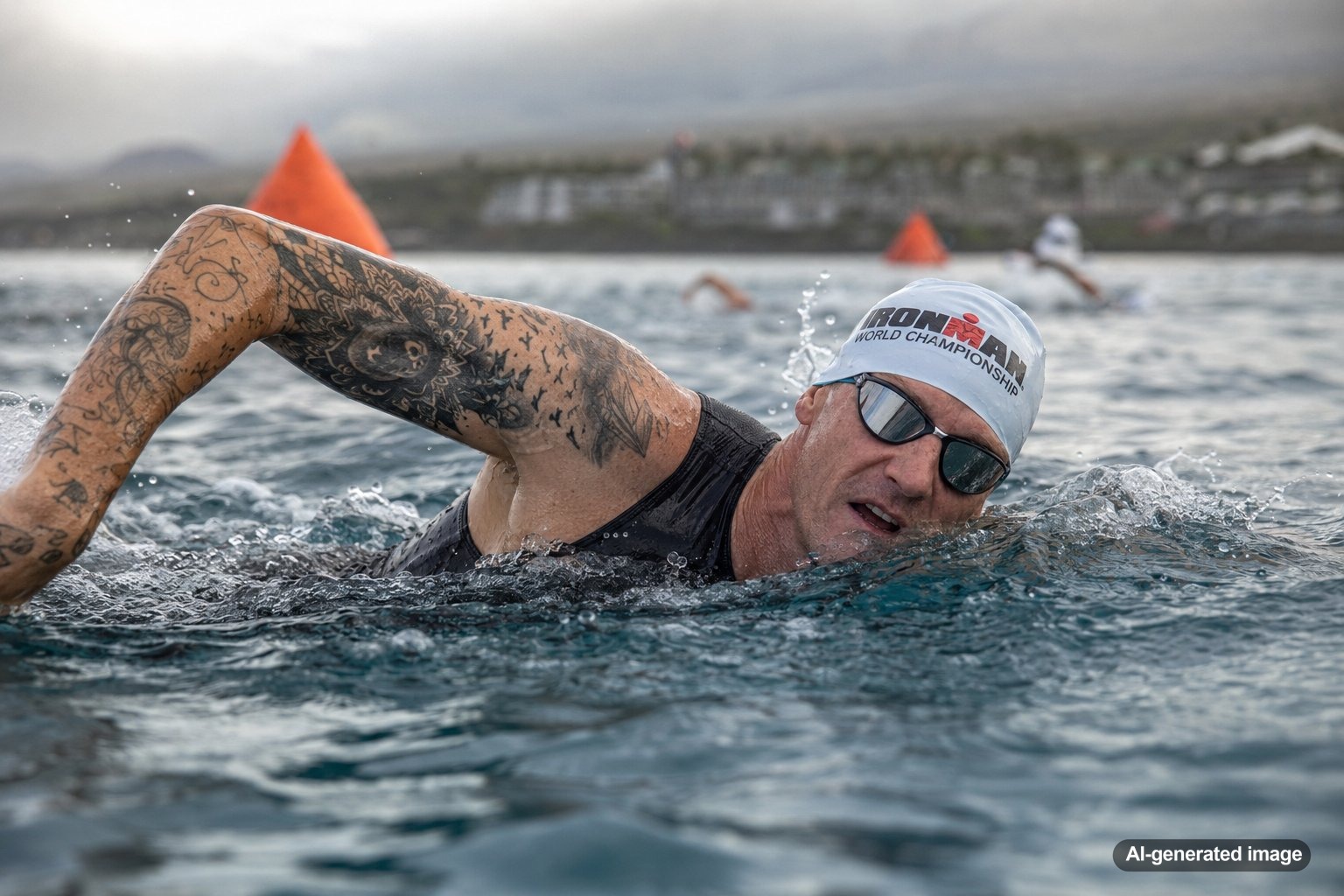
The open-water leg of an Ironman can feel like a different sport before the race has even found its rhythm. The noise, the bodies, the cold rush of water, the limited visibility, and the size of the day can all arrive at once. Staying calm is not about pretending those sensations are not there. It is about having a plan for what to do when they show up.
For athletes drawn to endurance, leadership, and forward motion, the swim is a powerful reminder: composure is not luck. It is trained. Greg Schaefer’s world sits at that intersection of endurance, adversity, business discipline, family, and mission. You can learn more about his broader story on the About Greg page, but the lesson here is practical. In open water, calm is built one decision at a time.
Quick answer: how do you stay calm during the Ironman swim?
- Start with control, not speed. The first few minutes should be about rhythm, breathing, and space.
- Use a simple reset phrase. Short cues like “long stroke” or “one more breath” help prevent mental spirals.
- Sight without panic. Lift your eyes with purpose, then return to your stroke instead of constantly checking.
- Expect contact. Bumps are part of open-water racing, not proof that something is wrong.
- Break the swim into smaller pieces. Think buoy to buoy, breath to breath, and stroke to stroke.
Why the open-water leg feels so intense
Pool swimming gives you walls, lane lines, clear water, and predictable space. Open-water racing takes most of that away. The athlete has to manage navigation, temperature, other swimmers, wetsuit feel, waves, glare, and the emotional weight of race day. Even a strong swimmer can feel unsettled if the body interprets that combination as threat.
The most important distinction is this: discomfort is not the same as danger. A crowded start, elevated heart rate, or a few awkward strokes can feel alarming, but they are often normal parts of the race environment. The goal is to respond before discomfort becomes panic.
Start the swim with patience, not ego
Many athletes lose calm in the first two to five minutes because they try to win the swim before they have settled into it. In an Ironman, the swim is not the whole race. It is the first gate. A slightly more patient start can protect the bike, the run, and the mind.
If you know the front pack will feel too aggressive, seed yourself honestly. Starting a few rows back or slightly to the side is not weakness. It can be a smart decision that gives you cleaner water, more room to breathe, and a better chance to build into the effort. Calm often begins before the cannon sounds.
Use breathing as your first reset tool
When anxiety rises in open water, breathing often changes first. The athlete may lift the head too often, shorten the stroke, or begin gasping instead of exhaling. A useful reset is to focus on a full underwater exhale. Do not wait until your mouth turns to the side to dump all the air. Let the breath out steadily while your face is in the water, then take the next inhale with less urgency.
A simple pattern can help: exhale, turn, inhale, return. Keep the cue short enough to remember when the race gets loud. Complicated self-talk usually disappears under stress. Simple cues stay available.
Have a plan for contact
Contact in an Ironman swim can feel personal, but most of the time it is not. Someone taps your feet. An arm brushes your shoulder. Two swimmers converge on the same line to a buoy. The calm athlete does not interpret every bump as a crisis.
Before race day, rehearse the response mentally: protect your space, keep moving, and return to rhythm. If needed, move slightly wider for a few strokes. Do not spend energy fighting the whole field. You are not there to win a wrestling match in the water. You are there to complete the swim with enough composure to keep racing well.
Sight with discipline
Sighting is necessary, but frantic sighting creates drag and feeds anxiety. The athlete who lifts the head every few strokes often confirms their own fear: the buoy still looks far away, the field still looks crowded, and the swim still feels big.
Pick a rhythm that works for the conditions. In calm water, you may sight less often. In chop, glare, or current, you may need to check more frequently. The key is to sight, make a decision, and return to swimming. Look for large landmarks when possible, not only the buoy itself. A building, tree line, bridge, or shoreline feature can help keep your line steady when buoys disappear behind waves or other athletes.
Break the swim into smaller commitments
The full open-water distance can feel overwhelming when your mind tries to hold all of it at once. One practical way to stay calm is to shrink the task. Swim to the next buoy. Then to the next turn. Then to the exit arch. If even that feels like too much, come back to ten smooth strokes.
This is where endurance becomes less dramatic and more honest. One more stroke. One more breath. One more small decision made well. That same mindset sits at the heart of Greg’s Forward Motion Fund: forward motion does not always look heroic from the outside. Sometimes it looks like refusing to quit on the next small step.
Practice calm before race day
Race-day calm is easier when the situation is familiar. If your first experience with open-water chaos happens during the event, your nervous system has a lot to process. Practice in open water when it is safe and appropriate. Swim with others. Rehearse starts. Practice sighting. Let yourself feel what it is like to be bumped, to breathe in chop, or to pause briefly and restart without turning that moment into a failure.
Visualization can help too, but it should be honest. Do not only imagine a perfect swim. Imagine a fogged goggle, a missed breath, a bump near the buoy, or a moment of doubt. Then picture the reset: exhale, lengthen, find rhythm, keep moving.
Common mistakes that make open-water anxiety worse
- Going out too hard: Early adrenaline can trick athletes into swimming above their sustainable effort.
- Over-sighting: Constant checking can interrupt rhythm and increase fatigue.
- Fighting for crowded water: A slightly wider line may cost a few seconds but save a lot of stress.
- Ignoring the exhale: Holding the breath can make the body feel more panicked than it needs to be.
- Thinking one bad moment ruins the race: Open-water swimming is full of imperfect moments. The best athletes reset quickly.
What to do if panic starts to rise
If you feel panic building, your job is not to argue with it. Your job is to interrupt the spiral. Slow the effort for a moment. Roll to your back if needed and allowed within the event rules. Find your breath. Look for a kayak, buoy, or fixed point if you need orientation. Then restart with an easy stroke count rather than trying to immediately return to race pace.
There is no shame in a reset. Endurance racing rewards problem-solving. The athlete who can calmly recover from a hard moment is often better prepared than the athlete who expected the day to go perfectly.
FAQ
Is it normal to feel nervous before an Ironman swim?
Yes. The open-water start can be intense even for experienced athletes. Nerves do not mean you are unprepared. They mean your body understands the scale of the moment. A calm plan helps you move through that energy instead of being ruled by it.
Should I start wide to avoid the crowd?
For many athletes, starting slightly wider can be a smart choice. It may add a little distance, but it can reduce contact and help you settle into a smoother rhythm. The right choice depends on your ability, confidence, course layout, and race goals.
What is the best mental cue during the swim?
The best cue is short, physical, and repeatable. Examples include “easy breath,” “long stroke,” “soft hands,” or “buoy to buoy.” Choose something that directs your body rather than something that tries to force emotion.
How can I train for open-water calm?
Practice in realistic conditions when safe. Swim with a group, rehearse sighting, work on starts, and get comfortable with the feeling of open water. Calm improves when the body has already experienced the environment and knows what to do next.
Bottom line
Staying calm during the open-water leg of an Ironman is not about being fearless. It is about being prepared, patient, and able to reset. Start with control. Breathe fully. Expect contact. Sight with purpose. Break the distance into smaller commitments. When the water gets loud, come back to the next breath and the next stroke.
Interested in bringing Greg’s message to your event or organization?
Learn more about Greg’s speaking work or get in touch to start the conversation.
Contact Greg or learn more about the Forward Motion Fund.
This article is for educational purposes only and is not medical advice. For diagnosis, treatment, or personalized medical guidance, please speak with a qualified healthcare professional.


