How Cycling Through Fatigue Builds Race-Day Resilience
Cycling through fatigue is not about ignoring every signal from your body or pretending discomfort does not exist. It is about learning the difference between danger, discouragement, impatience, and the normal heaviness that shows up when the road gets long. For endurance athletes, that distinction can shape everything on race day.
On the bike, fatigue has a way of telling the truth. It exposes pacing mistakes, nutrition gaps, mental shortcuts, and the places where confidence has not yet been tested. It also gives athletes a place to practice staying calm while tired, which is one of the most valuable skills in racing. Greg Schaefer’s story lives at the intersection of endurance, adversity, family, leadership, and forward motion, and that is why lessons from the bike often reach far beyond sport. You can learn more about Greg’s broader journey on the About Greg page.
Quick answer: how fatigue on the bike builds race-day resilience
- It teaches athletes to stay steady when effort feels heavier than expected.
- It helps separate useful discomfort from warning signs that require attention.
- It builds trust in pacing, fueling, breathing, and decision-making under stress.
- It makes race-day setbacks feel familiar instead of shocking.
- It strengthens the habit of taking the next manageable step instead of obsessing over the full distance ahead.
Fatigue is a rehearsal for race-day uncertainty
No race unfolds exactly as planned. Wind changes. Heat rises. Aid stations get crowded. A climb feels longer than it looked on the course map. The legs may feel flat long before the athlete expected them to. Training while tired gives the athlete a controlled environment to meet that uncertainty before race day demands it.
That does not mean every ride should be a sufferfest. Smart endurance training includes recovery, easy days, and respect for the body. But when fatigue is introduced with purpose, it becomes a teacher. The athlete learns how effort changes after an hour, after two hours, after the first hard interval, or after a long week of work, family, and responsibility. The body is not the only thing being trained. Patience, judgment, and emotional control are being trained too.
The bike rewards calm pacing more than emotional surges
One of the most useful lessons cycling teaches is that emotion can be expensive. Early excitement can push an athlete above target power or effort. Frustration can lead to chasing someone else’s pace. Fear can make a rider overcorrect, burn energy, or abandon a plan too soon.
Fatigue sharpens those moments. When the legs are fresh, almost any decision can feel manageable. When fatigue arrives, the athlete has to choose whether to react or respond. A resilient rider learns to ask better questions: Am I fueling? Am I breathing? Am I holding the effort I planned? Is this discomfort expected, or is something actually wrong? Those questions keep the athlete engaged with reality instead of being pulled into panic.
Resilience comes from knowing discomfort has layers
Not all fatigue is the same. There is the dull heaviness that comes from sustained effort. There is the short burn from climbing or riding into wind. There is the mental fog that can follow poor fueling. There is the discouragement that comes from comparing the current moment to how the ride was supposed to feel.
Learning these differences matters. Race-day resilience is not built by treating every hard sensation as a crisis or every warning sign as something to push through. It is built by becoming more fluent in the language of effort. Experienced athletes often develop a quiet internal checklist: body position, cadence, hydration, calories, breathing, focus, and emotional state. That checklist turns fatigue from a vague threat into a set of problems that can often be managed one at a time.
Training through fatigue builds trust in small decisions
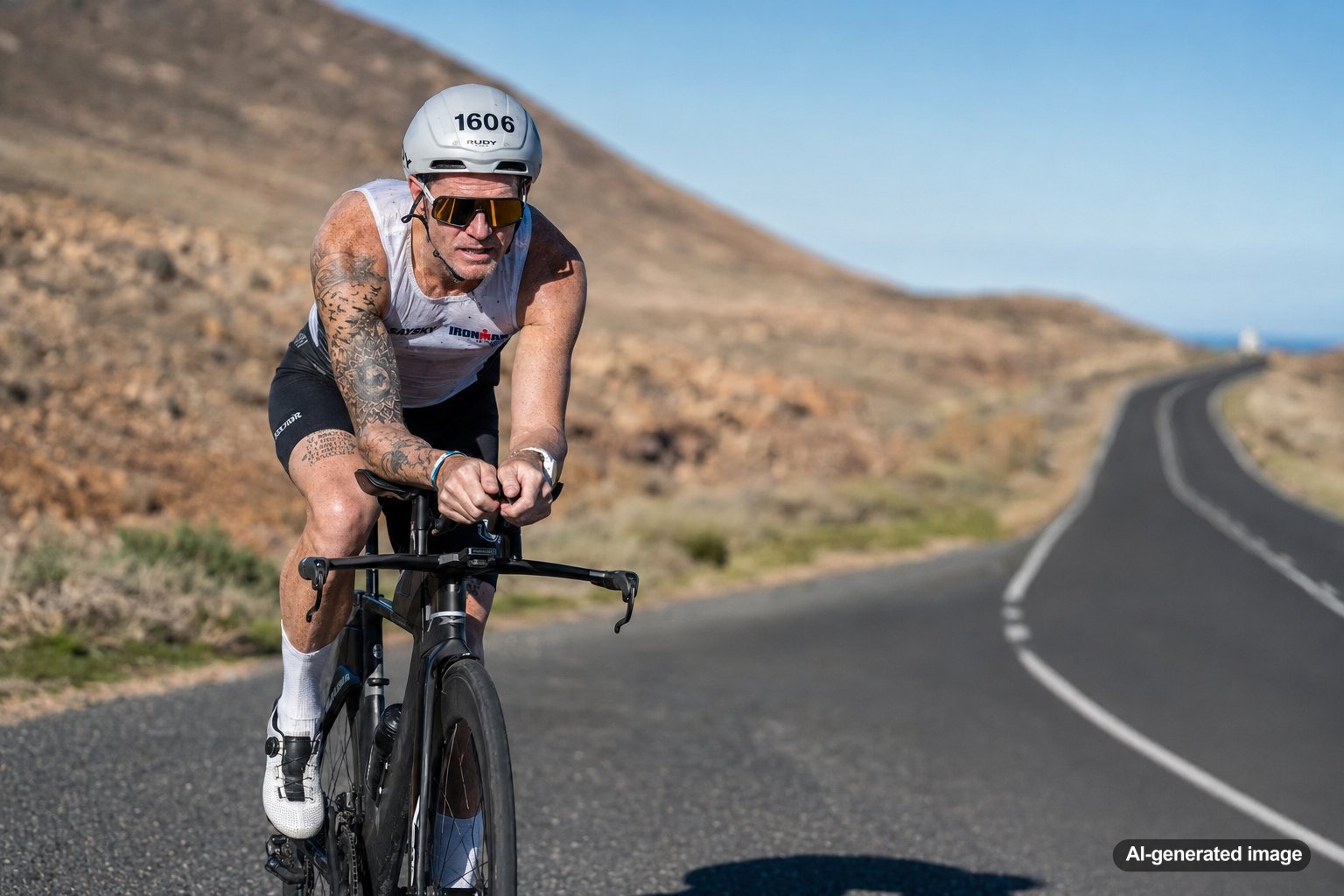
Big endurance goals can feel overwhelming when viewed all at once. A long bike segment in an Ironman or endurance event can stretch across hours, terrain, weather, and shifting mental states. Fatigue can make the full picture feel too large. That is where small decisions become powerful.
A rider who has practiced fatigue knows how to narrow the frame: settle the shoulders, take in fuel, return to cadence, hold the line, breathe through the next few minutes, and reassess. This is not glamorous, but it is often where races are held together. Resilience rarely looks like one dramatic breakthrough. More often, it looks like a series of steady choices made when quitting, surging, or spiraling would be easier.
What fatigue can reveal before race day
Fatigue is honest feedback. It can show whether a pacing plan is realistic, whether nutrition is being delayed too long, whether the bike fit needs attention, or whether mental focus collapses when conditions become repetitive. These discoveries are not failures. They are gifts, because they appear in training before they have to be solved in competition.
- Pacing gaps: If a rider repeatedly fades after early intensity, the issue may be restraint rather than fitness.
- Fueling gaps: If mood and focus drop sharply, the athlete may need to review timing, hydration, and nutrition habits with qualified support when needed.
- Technical habits: Fatigue can expose poor position, tense shoulders, inefficient cadence, or sloppy cornering.
- Mental patterns: Some athletes do not struggle because they are weak. They struggle because they have not practiced what to do when motivation gets quiet.
Why the bike is such a strong resilience classroom
Cycling is long enough to test patience and repetitive enough to reveal thought patterns. Unlike a short burst of effort, a long ride asks for sustained attention. The athlete has to manage effort without being constantly entertained by novelty. That can be uncomfortable, but it is also useful.
The bike teaches restraint early, focus in the middle, and composure late. It asks the athlete to make peace with doing the next right thing even when the finish line feels far away. For Greg, that idea connects deeply to the broader message behind the Forward Motion Fund: One More Step… Just One More. In racing, business, advocacy, and life after adversity, forward motion is often built in small, deliberate increments.
Common mistakes athletes make when riding tired
- Turning every hard ride into a test of toughness. Resilience requires recovery. Grinding constantly can create burnout, poor adaptation, or unnecessary risk.
- Ignoring the plan too early. Fatigue can tempt athletes to abandon pacing or fueling before the ride has fully unfolded.
- Confusing discomfort with failure. Feeling tired does not mean the day is over. It may simply mean the real training has started.
- Using comparison as fuel. Another rider’s pace may not match your race, your body, your goal, or your season.
Practical takeaways for building resilience on the bike
Race-day resilience grows when fatigue is approached with intention instead of ego. Athletes can use tired rides to practice steady pacing, fueling on schedule, staying relaxed in the upper body, and returning attention to the present mile. The goal is not to become numb. The goal is to become responsive.
A useful training question is not simply, How hard can I push? A better question is, How well can I think, choose, and stay composed when the ride stops feeling easy? That is the kind of resilience that carries into race day. It also carries into leadership, family, advocacy, and the moments in life when the path forward is not simple but still worth taking.
FAQ
Should athletes always train when they are tired?
No. Fatigue can be useful, but recovery is part of training. Athletes should pay attention to persistent pain, unusual symptoms, illness, or exhaustion that does not improve with rest, and they should work with qualified coaches or healthcare professionals when appropriate.
How does cycling fatigue help during a race?
It makes the feeling of late-race heaviness more familiar. When an athlete has practiced staying calm, fueling, pacing, and making small adjustments while tired, race-day fatigue is less likely to create panic.
Is mental toughness the same as pushing through everything?
No. Mental toughness includes judgment. Sometimes the strong choice is to keep going steadily. Sometimes it is to adjust, slow down, ask for support, or stop when safety requires it.
What is the biggest resilience lesson from long rides?
Long rides teach that progress is often built through small, repeatable decisions. The athlete does not have to solve the whole race at once. They need to manage the next stretch with clarity and discipline.
Interested in bringing Greg’s message to your event or organization?
Learn more about Greg’s speaking work or get in touch to start the conversation.
Contact Greg or learn more about the Forward Motion Fund.
This article is for educational purposes only and is not medical advice. For diagnosis, treatment, or personalized medical guidance, please speak with a qualified healthcare professional.