
The Best Compression Gear for Rapid Muscle Recovery

The best compression gear for muscle recovery is not necessarily the tightest, most expensive, or most technical-looking option. It is the garment that applies consistent pressure to the muscles you trained, fits without restricting movement or circulation, and remains comfortable enough to wear during the recovery window.
Compression clothing may help some athletes feel less sore and better prepared for their next session, particularly after demanding endurance efforts or strength workouts. Research suggests possible benefits for perceived soreness and the recovery of strength or power, but results vary by garment, fit, pressure, exercise type, and individual response. Compression should be viewed as one useful tool, not a shortcut around sleep, nutrition, hydration, and intelligent training.
Quick answer
- Compression tights are the most versatile choice for recovering the quadriceps, hamstrings, glutes, and calves after running, cycling, or lower-body strength work.
- Graduated compression socks are practical after long runs, races, travel, or extended periods on your feet.
- Calf and arm sleeves provide targeted coverage but do not support every muscle involved in a workout.
- Compression shorts can be useful when soreness is concentrated around the hips, glutes, and upper legs.
- The garment should feel snug and supportive, never painful, numb, cold, or restrictive.
What compression gear can realistically do
Compression garments apply external pressure to the body. Athletic products may use uniform compression or graduated compression, which is generally firmer farther down the limb and gradually decreases toward the torso.
The exact mechanisms behind exercise recovery remain under study. Proposed explanations include limiting soft-tissue movement, supporting circulation, reducing fluid accumulation, and providing a sense of stability around tired muscles. Reviews of the research have found that compression may offer modest recovery benefits in certain circumstances, including reduced perceptions of muscle soreness and improved restoration of strength or power after fatiguing exercise.
That does not mean compression creates instant recovery. It cannot rebuild damaged tissue on demand, erase an overly aggressive training load, or prepare an exhausted athlete for another maximal effort without adequate rest. The word “rapid” should be understood in relative terms: compression may help the recovery process feel more manageable or support readiness compared with doing nothing, but the experience varies widely.
The best types of compression gear by recovery need
Full-length compression tights
Full-length tights provide the broadest lower-body coverage. They are often the most practical option after a long run, demanding bike session, lower-body lifting workout, or race that has taxed several muscle groups at once.
They cover the calves, knees, hamstrings, quadriceps, hips, and glutes in one garment. This makes them especially useful for endurance athletes whose fatigue is rarely limited to a single isolated muscle.
Look for tights that remain smooth against the legs without bunching behind the knees or sliding down at the waist. A recovery garment should be firm, but you should still be able to sit, walk, and breathe normally.
Graduated compression socks
Compression socks are a practical option when the lower legs and feet have taken most of the stress. Runners may use them after long mileage, while travelers sometimes wear them after an event when they will spend hours sitting in a car or airplane.
Socks are also easier to use than full tights when an athlete wants lower-leg compression without adding another warm layer around the hips and waist. The best pair should fit the foot as carefully as the calf. Excess fabric near the toes, deep folds at the ankle, or a band that digs into the skin can make the garment uncomfortable.
Calf sleeves
Calf sleeves target the lower leg while leaving the foot uncovered. They can be convenient for athletes who prefer their usual socks or who mainly notice fatigue in the calves.
The limitation is coverage. A calf sleeve does not address foot swelling, hamstring fatigue, quadriceps soreness, or the cumulative stress that can build around the hips after a long endurance effort. It is best treated as a targeted tool rather than a complete lower-body recovery solution.
Compression shorts
Compression shorts cover the glutes, hip area, groin, and upper thighs. They may suit strength athletes, cyclists, sprinters, and runners who experience most of their post-workout heaviness above the knee.
Shorts can also be more comfortable in warm conditions or when full-length tights feel excessive. However, the leg openings should lie flat. A narrow band that rolls or pinches can create pressure in the wrong place.
Upper-body compression tops and arm sleeves
Upper-body garments may be useful after rowing, swimming, climbing, pressing, or pulling workouts. A fitted compression top covers more area than an isolated sleeve and can support the shoulders, upper back, chest, and arms.
Arm sleeves are simpler and easier to remove, but they offer limited value when fatigue extends across the shoulders or back. Athletes should also make sure a top does not restrict breathing or create excessive pressure around the neck and underarms.
Pneumatic compression boots
Compression boots are different from elastic garments. They use inflatable chambers that fill and release in a programmed sequence around the legs. Many athletes enjoy the massage-like sensation and the opportunity to sit still during a recovery session.
Boots offer adjustable pressure and broad leg coverage, but they cost more, require time and space, and cannot be worn while moving through the rest of the day. They may be a useful luxury for athletes with a demanding schedule, but they are not automatically superior to well-fitted garments, walking, sleep, or appropriate fueling.
How to choose compression gear that actually fits
Fit is the most important distinction between useful compression and clothing that is merely tight. A garment should apply even pressure without creating sharp bands, folds, numbness, tingling, discoloration, or coldness in the hands or feet.
- Measure instead of guessing. Use the manufacturer’s current sizing instructions. Socks may require ankle and calf measurements, while tights may use waist, hip, thigh, height, or weight ranges.
- Match the garment to the muscles trained. Full tights make more sense after a hard bike-run combination than a small calf sleeve. Compression shorts may be enough after a hip-dominant strength session.
- Consider the environment. Heavy fabric may become uncomfortable after a hot race. Breathable materials and flat seams matter when the garment will be worn for several hours.
- Check the waistband and openings. Compression should be distributed through the garment, not concentrated into one painfully tight band.
- Prioritize comfort over maximum pressure. More compression is not automatically better, and research has not established one ideal pressure for every athlete or recovery situation.
When should athletes wear compression gear?
Post-workout use is the most logical place to test compression for recovery. An athlete might change into clean compression tights or socks after cooling down, showering, and addressing immediate hydration and nutrition needs.
Some people wear compression for a few hours, while others prefer a longer period during travel or the evening after an event. There is no universal schedule that works for every garment and every person. Start with a comfortable period, observe how your body responds, and avoid sleeping in a product unless it is intended for that use and a qualified professional has confirmed it is appropriate for you.
Compression can also be worn during exercise, but performance benefits are less consistent than recovery-related benefits. An athlete may still value the supportive feel, reduced fabric movement, warmth, or protection from minor friction. Those comfort benefits are valid even when the garment does not produce a measurable performance improvement.
What athletes often get wrong
Choosing a smaller size for extra compression
Sizing down can create uneven pressure and make the garment difficult to wear safely. Use measurements rather than treating discomfort as proof that the product is working.
Covering the wrong area
A sleeve on one sore muscle may feel helpful, but recovery planning should reflect the complete workout. Long-course training, for example, can fatigue the calves, quadriceps, hamstrings, glutes, hips, back, and shoulders. Match the coverage to the actual stress.
Using compression to hide a training problem
Persistent soreness, declining performance, poor sleep, irritability, heavy legs, and repeated difficulty completing routine sessions may point to a larger recovery or training-load issue. Compression should not be used to push through warning signs indefinitely.
Expecting it to replace recovery fundamentals
Compression sits near the edge of a strong recovery system, not at its center. The center remains adequate sleep, sufficient calories, protein and carbohydrate intake appropriate to the training demand, hydration, gradual progression, and enough time between hard efforts.
A practical recovery routine after a demanding session
A simple sequence can keep compression in its proper role:
- Cool down gradually instead of stopping abruptly after an intense effort.
- Replace fluids and begin refueling based on the duration and intensity of the workout.
- Change out of wet or abrasive training clothing.
- Put on clean, properly sized compression gear if it feels comfortable.
- Use light movement, such as an easy walk, if it helps reduce stiffness.
- Protect the next night’s sleep and adjust the following workout if fatigue remains high.
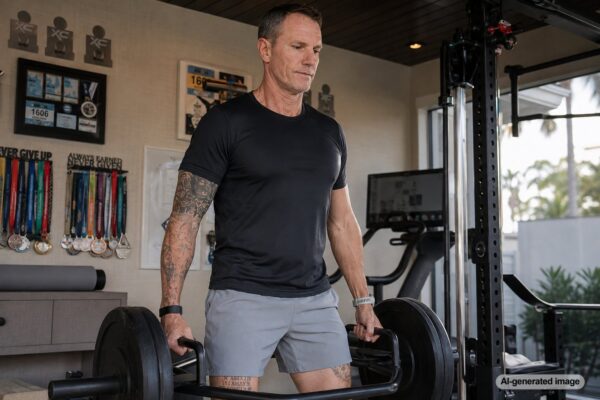
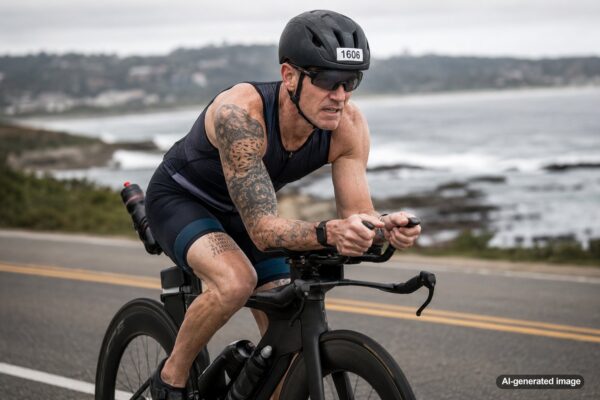
For an athlete like Greg Schaefer, recovery is not separate from discipline. It is part of the discipline. Completing another hard session is only useful when the body can absorb the work and return ready to move forward. That principle matters whether someone is preparing for an Ironman, building strength, returning after time away, or simply trying to train consistently through a demanding season of life.
Who should seek guidance before using compression?
People with circulation disorders, vascular conditions, nerve problems, significant swelling, skin infections, open wounds, unexplained pain, or a history of blood clots should speak with a qualified healthcare professional before using compression products. Medical compression and athletic compression are not interchangeable, and a clinician may recommend a particular garment, pressure level, or fitting process.
Stop using a garment and seek appropriate guidance if it causes pain, numbness, tingling, unusual discoloration, cold extremities, shortness of breath, or worsening swelling. Severe or unexplained muscle pain after exercise also deserves medical evaluation rather than a stronger recovery garment.
Frequently asked questions
Are compression tights better than compression socks?
Neither is universally better. Tights offer broader coverage for the entire lower body, while socks are easier to use when fatigue or swelling is concentrated below the knee. Choose based on the muscles trained and the level of coverage you need.
How tight should recovery compression gear feel?
It should feel snug, smooth, and supportive without causing pain, numbness, tingling, deep marks, or restricted breathing. Follow product-specific measurement instructions rather than choosing a smaller size.
Can compression gear prevent delayed onset muscle soreness?
Compression may reduce the perceived severity of soreness for some athletes, but it cannot guarantee that soreness will not occur. Training history, exercise type, intensity, sleep, nutrition, and individual response all influence post-workout discomfort.
Should I wear compression gear after every workout?
It is usually unnecessary after every easy session. Many athletes reserve it for long events, unusually demanding workouts, travel days, or periods when recovery time between sessions is limited.
Is expensive compression gear always more effective?
No. Price may reflect fabric quality, construction, durability, or branding, but it does not guarantee the ideal pressure or fit for your body. Accurate sizing, comfortable coverage, and consistent construction matter more than the price tag alone.
The bottom line
The best compression gear for rapid muscle recovery is a well-fitted garment that covers the muscles placed under the greatest stress. Full-length tights are the strongest all-around option for lower-body recovery, compression socks are practical after running and travel, and sleeves or shorts work well when the need is more targeted.
Compression may help reduce perceived soreness and support the recovery of strength or power after hard exercise, but it should complement the fundamentals rather than compete with them. Choose the right coverage, use a measured fit, monitor how your body responds, and remember that sustainable progress is built through both effort and recovery.
Interested in bringing Greg’s message to your event or organization?
Learn more about Greg’s speaking work or get in touch to start the conversation.
Contact Greg or learn more about the Forward Motion Fund.
This article is for educational purposes only and is not medical advice. For diagnosis, treatment, or personalized medical guidance, please speak with a qualified healthcare professional.