
How Boxing, Cycling, Swimming, and Strength Work Can Support Parkinson’s Mobility
Movement does not erase Parkinson’s. It does not make the diagnosis simple, predictable, or easy. But for many people living with Parkinson’s, movement can become one of the most practical ways to support mobility, confidence, and a sense of agency in daily life.
Boxing, cycling, swimming, and strength work each challenge the body in a different way. Together, they can help address rhythm, coordination, endurance, posture, power, balance, and confidence. For someone like Greg Schaefer, whose life has long included endurance sports, family, business leadership, and the decision to keep moving forward after diagnosis, the lesson is not that everyone needs to train like an Ironman. The lesson is that movement can be adapted, layered, and made meaningful. Learn more about Greg’s story on the About Greg page.
Quick answer
- Boxing may support coordination, footwork, reaction, posture, and confidence because it asks the body to move with intention.
- Cycling can provide rhythmic aerobic work that may feel smoother for some people than walking on difficult days.
- Swimming offers low-impact movement, full-body coordination, breathing rhythm, and a different sense of freedom in motion.
- Strength work can help support posture, transfers, walking mechanics, balance, and the physical demands of everyday life.
- The best approach is personal. A qualified healthcare professional or physical therapist can help tailor movement to symptoms, fitness level, safety, and goals.
Why Parkinson’s mobility needs more than one kind of movement
Parkinson’s can affect movement in more than one way. Some people experience stiffness. Others notice slower movement, changes in gait, balance concerns, reduced arm swing, tremor, fatigue, posture changes, or difficulty starting and stopping movement. The experience can vary widely from person to person and from day to day.
That is why a well-rounded movement plan often works better than relying on only one activity. Aerobic training can support endurance. Strength work can build capacity. Balance and agility work can challenge the nervous system in practical ways. Flexibility and mobility work can help the body move through usable ranges of motion. The goal is not perfection. The goal is to preserve options.
For active people, this can be especially important emotionally. A diagnosis may change the relationship with the body. Training can become less about proving something and more about staying connected to capability, identity, and forward motion.
How boxing can support coordination, balance, and confidence
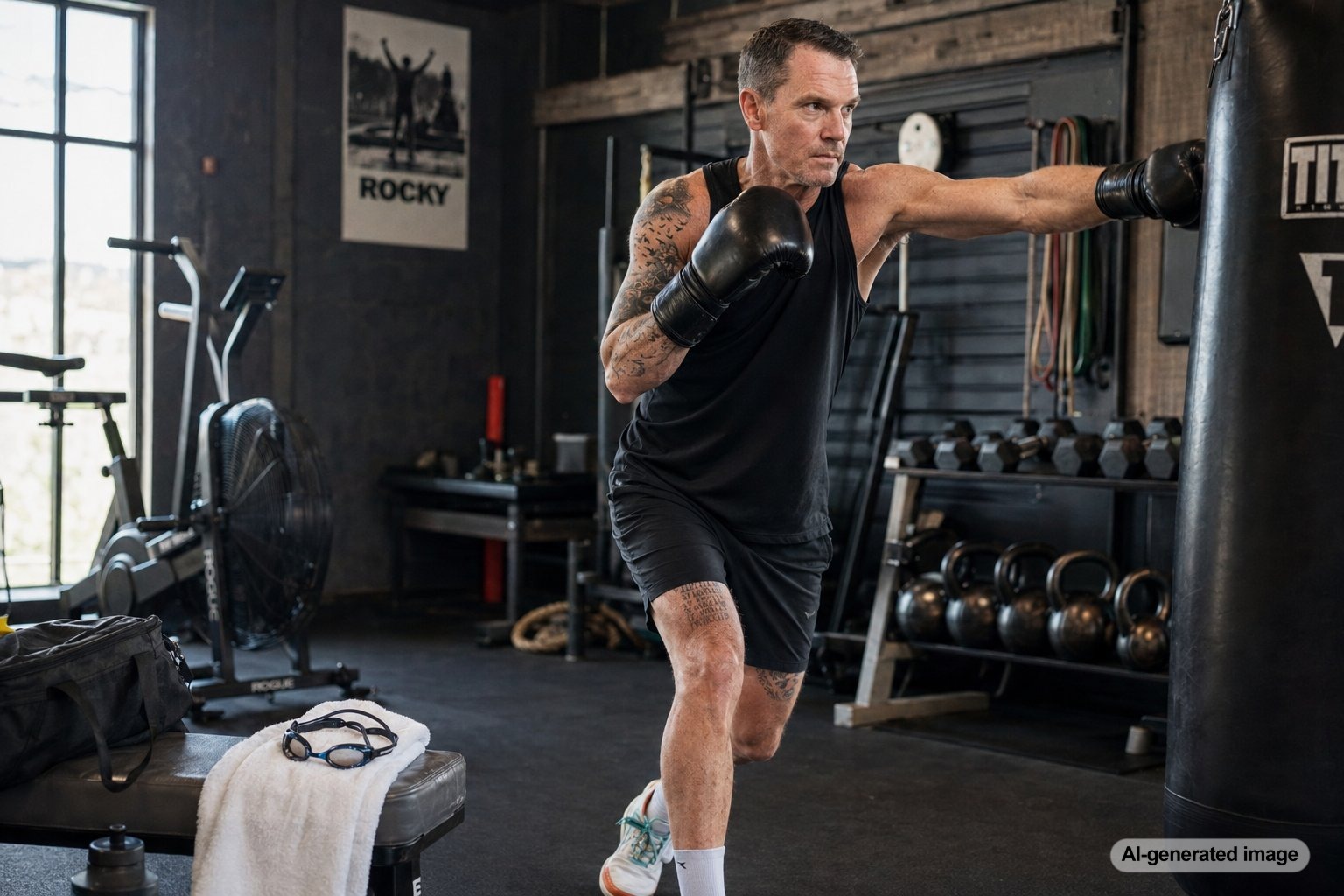
Boxing-based Parkinson’s programs have become popular for good reason. Non-contact boxing can combine footwork, punching patterns, trunk rotation, voice, reaction, timing, balance, and mental focus. A class might ask someone to step, pivot, punch, reset, call out a sequence, and respond to a cue. That kind of layered challenge can make boxing feel both physical and cognitive.
For mobility, the value is not just in throwing punches. It is in practicing large, intentional movement. Boxing can encourage upright posture, quicker weight shifts, better awareness of foot placement, and more confidence moving through space. It can also create a powerful sense of community, especially when people are training alongside others who understand the diagnosis without making it the whole story.
Safety matters. Boxing for Parkinson’s should be non-contact, appropriately coached, and modified for balance, fatigue, vision, joint limitations, and fall risk. Some people may need a chair option, a slower pace, or extra support when changing direction.
How cycling can support rhythm and aerobic capacity
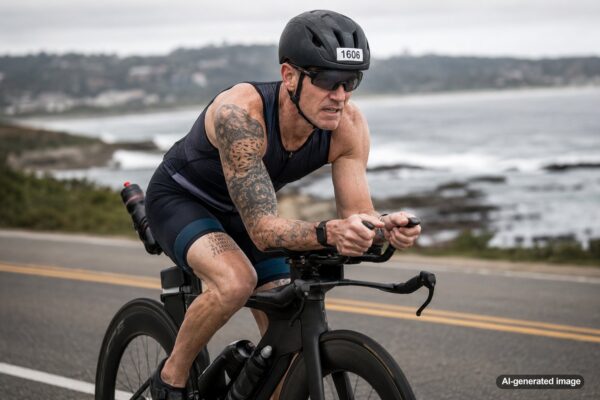
Cycling gives the body a repeating rhythm: left, right, left, right. For some people with Parkinson’s, that rhythm can be useful because the bike provides structure while the rider works on cadence, endurance, breathing, and leg drive. Stationary cycling may also feel safer than road cycling if balance, reaction time, freezing, traffic, or turning are concerns.
Outdoor cycling, indoor cycling, recumbent bikes, upright bikes, and assisted cycling setups can all serve different needs. The right choice depends on the person. Someone with strong endurance experience may still prefer a familiar bike setup, while someone newer to exercise may do better with a recumbent or supervised indoor environment.
Cycling can be especially useful because it lets intensity be adjusted. A person can work gently on a low-energy day or use intervals when cleared and ready for more challenge. That flexibility can help movement stay consistent even when symptoms, sleep, medication timing, or stress change the day.
How swimming can support low-impact full-body movement
Swimming changes the relationship with gravity. In the water, many people feel less joint impact and more freedom to move. That can make swimming, pool walking, water aerobics, or gentle lap work helpful options for people who need a lower-impact way to train endurance, coordination, and range of motion.
Swimming also asks the body to coordinate breathing, trunk rotation, arm movement, and leg action. Those patterns can support whole-body awareness. For someone who feels stiff on land, the pool may create a different opening to practice motion without the same pounding on the knees, hips, or back.
There are important safety considerations. Pool decks can be slippery. Getting in and out of the water may be the hardest part of the session. Fatigue can appear quickly. A supervised environment, appropriate lane choice, flotation support when needed, and realistic pacing can make the difference between a useful session and an unsafe one.
How strength work supports daily mobility
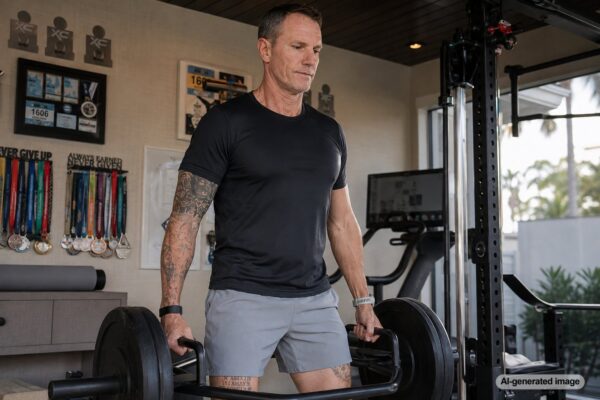
Strength training is not only for athletes. For people with Parkinson’s, strength work can support the practical demands of daily life: standing from a chair, climbing stairs, carrying groceries, maintaining posture, stabilizing during a turn, and recovering from small losses of balance.
Useful strength work does not have to be complicated. It may include sit-to-stands, step-ups, rows, carries, hip hinges, supported squats, calf work, core stability, and controlled upper-body pulling and pushing. The emphasis should be on quality, control, range of motion, and transfer to life outside the gym.
One overlooked benefit is confidence. When someone practices getting stronger in a safe, progressive way, the body can feel less fragile. That matters. Mobility is not only a mechanical issue. It is also tied to trust, willingness to move, and the belief that effort still has a place.
What people often miss about exercise and Parkinson’s
Many people ask, “What is the best exercise for Parkinson’s?” A more useful question may be, “What combination of movements can I do consistently, safely, and with enough challenge to matter?”
- Intensity and safety both matter. Harder is not automatically better. Too easy may not create enough adaptation. Too aggressive may increase risk or cause discouragement.
- Consistency beats occasional hero workouts. A repeatable weekly rhythm is often more useful than a burst of motivation that disappears.
- Medication timing can matter. Some people move better during certain windows. A clinician or therapist can help think through timing.
- Progress is not always linear. Symptoms, sleep, stress, fatigue, and other health factors can affect performance from day to day.
- Community can be part of the medicine cabinet of life. Training with others can reduce isolation and make movement feel more sustainable.
A practical way to think about the four-part mix
Boxing, cycling, swimming, and strength work do not need to compete with each other. They can each play a role. Boxing can be the agility and coordination day. Cycling can be the rhythm and endurance day. Swimming can be the lower-impact recovery or full-body movement day. Strength work can be the foundation that supports posture, power, and everyday function.
A realistic week might include two or three of these categories, not all of them at full intensity. For example, someone might do a boxing class, two short strength sessions, and one easy swim or ride. Another person might prioritize cycling and strength, then add boxing drills at home. The right plan depends on symptoms, goals, access, medical guidance, and what the person will actually keep doing.
Greg’s broader message of “One More Step… Just One More” is not about ignoring limits. It is about finding the next honest step in front of you. Sometimes that step is a long training session. Sometimes it is ten focused minutes. Sometimes it is asking for help, adapting the plan, or choosing the version of movement that keeps you in the game.
When to seek professional guidance
Anyone living with Parkinson’s should talk with a qualified healthcare professional before beginning or significantly changing an exercise routine, especially if there are concerns about falls, freezing, blood pressure changes, dizziness, heart health, pain, fatigue, or medication timing.
A physical therapist with Parkinson’s experience can help evaluate gait, balance, transfers, strength, posture, and fall risk. A good coach or trainer can then work within that guidance to make sessions safer, more purposeful, and more sustainable.
FAQ
Is boxing safe for everyone with Parkinson’s?
Not always. Non-contact boxing may be useful for some people, but it should be adapted to the person’s balance, coordination, fatigue, and medical status. A supervised program and clinician guidance can help reduce risk.
Is cycling better than walking for Parkinson’s?
It depends. Cycling may feel smoother or safer for some people, especially on a stationary bike. Walking still has real value because it directly relates to daily mobility. Many people benefit from using both when appropriate.
Can swimming help if stiffness is a problem?
Swimming or pool-based movement may help some people move with less joint impact and more freedom, but it is not a guaranteed solution. Water safety, fatigue, and safe pool access should be considered.
How often should someone with Parkinson’s exercise?
Frequency should be individualized. Parkinson’s organizations commonly encourage regular movement that includes aerobic activity, strength, balance, and flexibility, but the right dose depends on the person’s health, symptoms, and goals.
Does exercise slow Parkinson’s progression?
Research suggests exercise is associated with benefits for mobility, balance, quality of life, and other symptoms, and researchers continue to study its role in disease progression. It should be viewed as part of a broader care plan, not as a cure or substitute for medical treatment.
Interested in bringing Greg’s message to your event or organization?
Learn more about Greg’s speaking work or get in touch to start the conversation.
Contact Greg or learn more about the Forward Motion Fund.
This article is for educational purposes only and is not medical advice. For diagnosis, treatment, or personalized medical guidance, please speak with a qualified healthcare professional.