
Caffeine, Focus, and Race Day Performance: Helpful Tool or Hidden Problem?
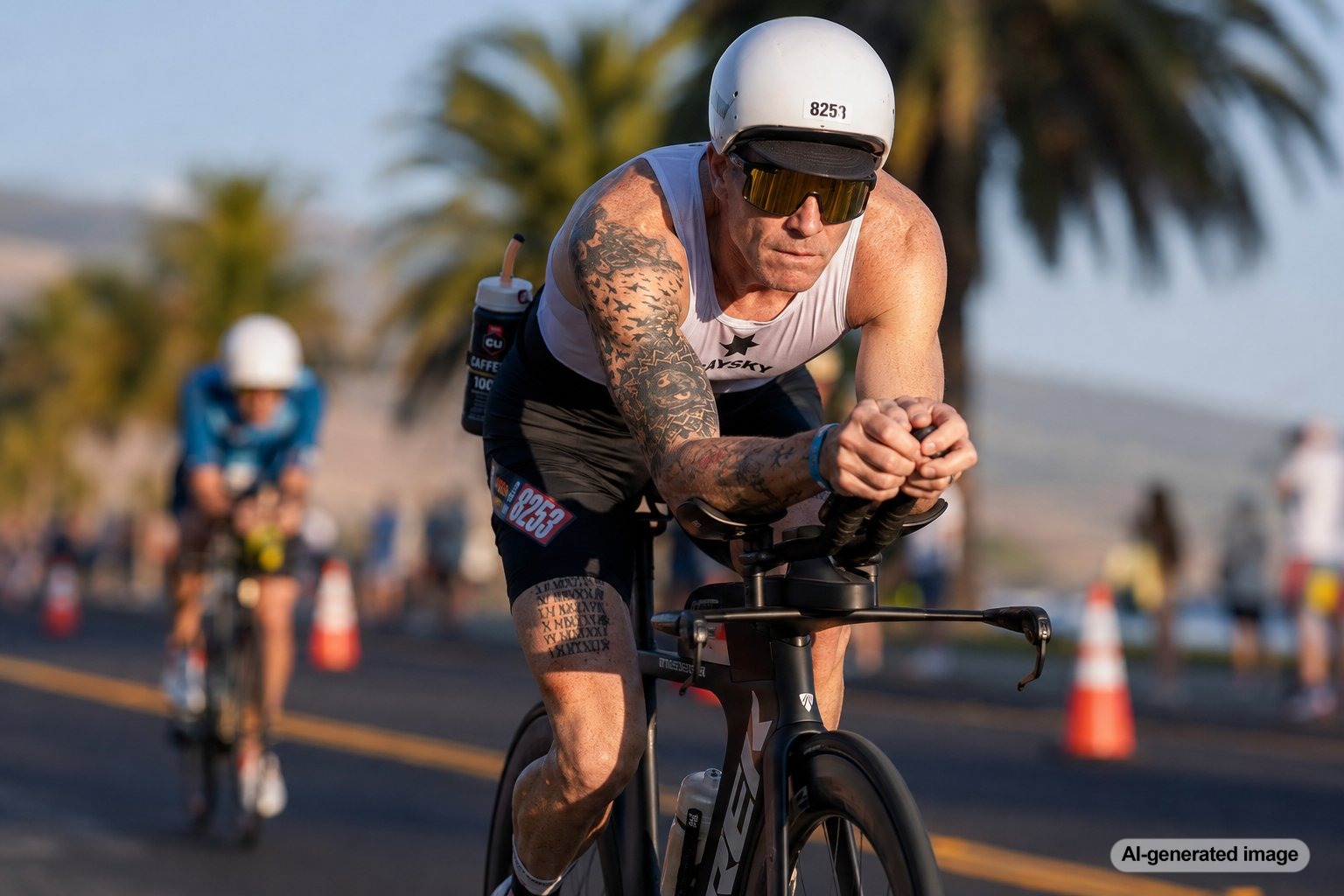
Caffeine can be a useful race-day tool, but it is not automatically helpful just because it makes an athlete feel more alert. The right amount, taken at a familiar time, may support focus and make sustained effort feel more manageable. Too much, poor timing, or an untested product can create a very different experience: nervous energy, stomach trouble, disrupted pacing, or a late-race crash that feels as mental as it does physical.
For endurance athletes, the real question is not whether caffeine is good or bad. It is whether a specific caffeine strategy has been tested under realistic conditions and fits the athlete, the distance, the weather, the fueling plan, and the demands of the day. That disciplined approach is part of the broader athlete and leadership mindset Greg brings to his work: useful tools matter, but preparation determines whether those tools actually serve the mission.
Quick answer
- Caffeine may help some athletes feel more alert, focused, and capable of sustaining effort.
- More caffeine does not necessarily produce better performance.
- Individual responses vary, especially when sleep, anxiety, medications, heat, and habitual caffeine use enter the picture.
- Race day should never be the first test of a new dose, product, or timing plan.
- The strongest strategy is usually the simplest repeatable approach that has already worked in training.
Why caffeine can feel helpful during a race
Caffeine is commonly included in coffee, gels, chews, drink mixes, tablets, and other products used by endurance athletes. It can affect alertness and perceived effort, which helps explain why some athletes report feeling sharper or more willing to hold pace after consuming it. The National Institutes of Health Office of Dietary Supplements notes that caffeine can support endurance performance for some people, although results and side effects vary.
Its value can be mental as well as physical. During a long race, attention becomes a performance skill. Athletes must keep track of pace, nutrition, hydration, terrain, equipment, and changing physical signals. A familiar amount of caffeine may help an athlete stay engaged with those decisions rather than mentally drifting through a difficult section.
That does not mean caffeine creates fitness that is not there. It cannot replace training, sleep, hydration, carbohydrates, sound pacing, or the ability to respond calmly when conditions change. It may help an athlete access prepared capacity, but it does not manufacture that capacity on race morning.
Where a helpful tool becomes a hidden problem
The most common mistake is treating caffeine as an emergency button. An athlete feels tired, takes a large dose, waits for a dramatic lift, and then adds more when the effect is not immediate. That pattern can turn an ordinary low point into a much harder problem.
Too much stimulation can distort pacing
Feeling energized is not the same as moving at a sustainable intensity. Early in a race, caffeine can make aggressive pacing feel easier than it should. The athlete may interpret excitement and alertness as proof that the planned pace is too conservative. Hours later, the cost appears.
A disciplined athlete uses caffeine inside a pacing plan, not as permission to abandon one. The goal is not to feel invincible. The goal is to remain attentive enough to execute the next correct decision.
Stomach issues can compound quickly
Race nutrition already places demands on the digestive system. Caffeine delivered through a concentrated gel, strong coffee, unfamiliar drink mix, or multiple overlapping products may contribute to nausea, urgency, or an unsettled stomach in sensitive athletes. Heat, dehydration, intensity, and poor product timing can make the situation harder to interpret.
This is one reason product labels matter. An athlete may track caffeinated gels while overlooking caffeine in a sports drink, chew, pre-workout product, or coffee consumed before the start. The total can rise faster than expected.
Alertness can become agitation
Caffeine may sharpen attention, but excessive stimulation can make an athlete restless, anxious, or overly reactive. Instead of calmly solving a mechanical issue or adjusting to changing conditions, the athlete may rush decisions. In a technical bike section, crowded aid station, or difficult transition, that mental state can work against performance.
Late caffeine may affect recovery
For athletes racing later in the day or competing in long events, caffeine consumed deep into the race may interfere with sleep afterward. Finishing is not the end of the physical demand. The body still needs food, fluids, rest, and recovery. A strategy that supports the final miles but leaves the athlete awake for much of the night may carry a tradeoff worth considering.
The difference between a plan and a habit
Many athletes use caffeine every day. That familiarity can be helpful because they already understand some of their response, but daily consumption does not automatically create a race strategy. A morning coffee at home is different from caffeine taken after hours of exertion, under heat stress, alongside concentrated carbohydrates, or while the stomach is becoming less cooperative.
A race-day plan should answer practical questions:
- What caffeinated products will be used?
- How much caffeine is in each serving?
- When will the first serving be taken?
- Will caffeine be used early, late, or in smaller amounts across the event?
- Which non-caffeinated alternatives are available if the stomach becomes unsettled?
- How will caffeine fit with fluids, sodium, and carbohydrate intake?
The plan should be clear enough to follow when the athlete is tired. Complexity that looks sophisticated on paper can become confusion at mile 80 of a bike course or deep into a marathon.
How to test caffeine before race day
The best rehearsal is not a random easy workout. Caffeine should be tested during sessions that resemble the timing and stress of competition as closely as practical. That may include a long ride, a brick workout, a race-pace run, or a training day that uses the same breakfast and fueling products planned for the event.
Start with one variable
Changing breakfast, caffeine, hydration, gels, and equipment in the same session makes the result difficult to interpret. Test one meaningful adjustment at a time. If a workout goes well or poorly, the athlete has a better chance of understanding why.
Record more than performance
Pace and power matter, but so do stomach comfort, concentration, mood, sleep afterward, bathroom urgency, and the ability to keep fueling. A strategy that produces a fast hour but undermines the next four hours is not a successful endurance strategy.
Repeat the test
One good workout does not prove that a plan is reliable. Conditions change, and athlete responses can change with fatigue, temperature, food intake, and stress. Repeating the same approach helps reveal whether the result was dependable or simply a good day.
What athletes often miss
Caffeine should support decision-making, not replace it. The most useful race-day effect may be the ability to stay present, protect pacing, continue fueling, and respond intelligently when the race becomes uncomfortable. Chasing a dramatic burst of energy can distract from those quieter skills.
Special considerations for health and medications
Individual response matters. People with certain medical conditions, medication schedules, sleep difficulties, gastrointestinal concerns, or sensitivity to stimulants may need a more cautious approach. Athletes living with Parkinson’s or another neurological condition should not assume that a general sports nutrition strategy automatically fits their medical needs.
Caffeine can also appear in products beyond coffee and sports nutrition, including some medications and supplements. A physician, pharmacist, or qualified sports dietitian can help evaluate the full picture. This is especially important when an athlete has noticed palpitations, significant anxiety, dizziness, unusual blood pressure responses, medication interactions, or symptoms that feel different from normal race fatigue.
A grounded race-day framework
A practical caffeine strategy can be built around four principles:
- Know the total. Count caffeine from every product, not only coffee.
- Use familiar timing. Follow a schedule practiced in training rather than waiting for desperation.
- Protect the basics. Keep fueling, hydration, pacing, and temperature management at the center of the plan.
- Stay adaptable. If the stomach, heart rate, anxiety level, or conditions suggest that more caffeine is a poor choice, be willing to adjust.
This kind of preparation reflects a larger endurance lesson. Strength is not always about adding more. Sometimes it is about knowing what is useful, knowing what is noise, and staying disciplined enough to choose accordingly. Greg explores that earned approach to resilience, leadership, and performance through his speaking work with organizations and teams.
Frequently asked questions
Should an athlete stop drinking coffee before a race?
Some athletes alter their normal caffeine habits before competition, but there is no universal approach that fits everyone. Abruptly changing a daily routine may cause headaches, fatigue, or other unwanted effects. Any adjustment should be tested before an important race, and medical guidance may be appropriate for athletes with health concerns.
Is coffee better than caffeinated gels?
Neither option is automatically better. Coffee may be familiar but can be difficult to measure precisely and may affect the stomach. Gels can provide a known amount and are easier to carry, but they must fit the athlete’s carbohydrate, fluid, and gastrointestinal plan. Familiarity and repeatability matter more than novelty.
Can caffeine replace sleep before a race?
No. Caffeine may temporarily increase alertness, but it does not reproduce the recovery and cognitive benefits of adequate sleep. A poor night before a race does not always ruin performance, especially when the athlete has rested well during the preceding week, but escalating caffeine to compensate can create additional problems.
Should caffeine be saved for the final part of an endurance race?
Some athletes prefer late-race caffeine, while others respond better to smaller planned amounts earlier or across the event. The best timing depends on the athlete, event duration, product, sleep schedule, and previous testing. The answer should come from rehearsal rather than race-day improvisation.
What should an athlete do after a bad reaction to caffeine?
Stop adding more caffeine and focus on safe pacing, hydration, fueling, and monitoring symptoms. Seek medical assistance during or after the event for severe, persistent, or concerning symptoms. Before using caffeine again in training or competition, discuss the reaction with a qualified healthcare professional.
Interested in bringing Greg’s message to your event or organization?
Learn more about Greg’s speaking work or get in touch to start the conversation.
Contact Greg or learn more about the Forward Motion Fund.
This article is for educational purposes only and is not medical advice. For diagnosis, treatment, or personalized medical guidance, please speak with a qualified healthcare professional.