
Cold Plunge, Sauna, and Recovery: What Athletes Should Know Before Chasing Trends
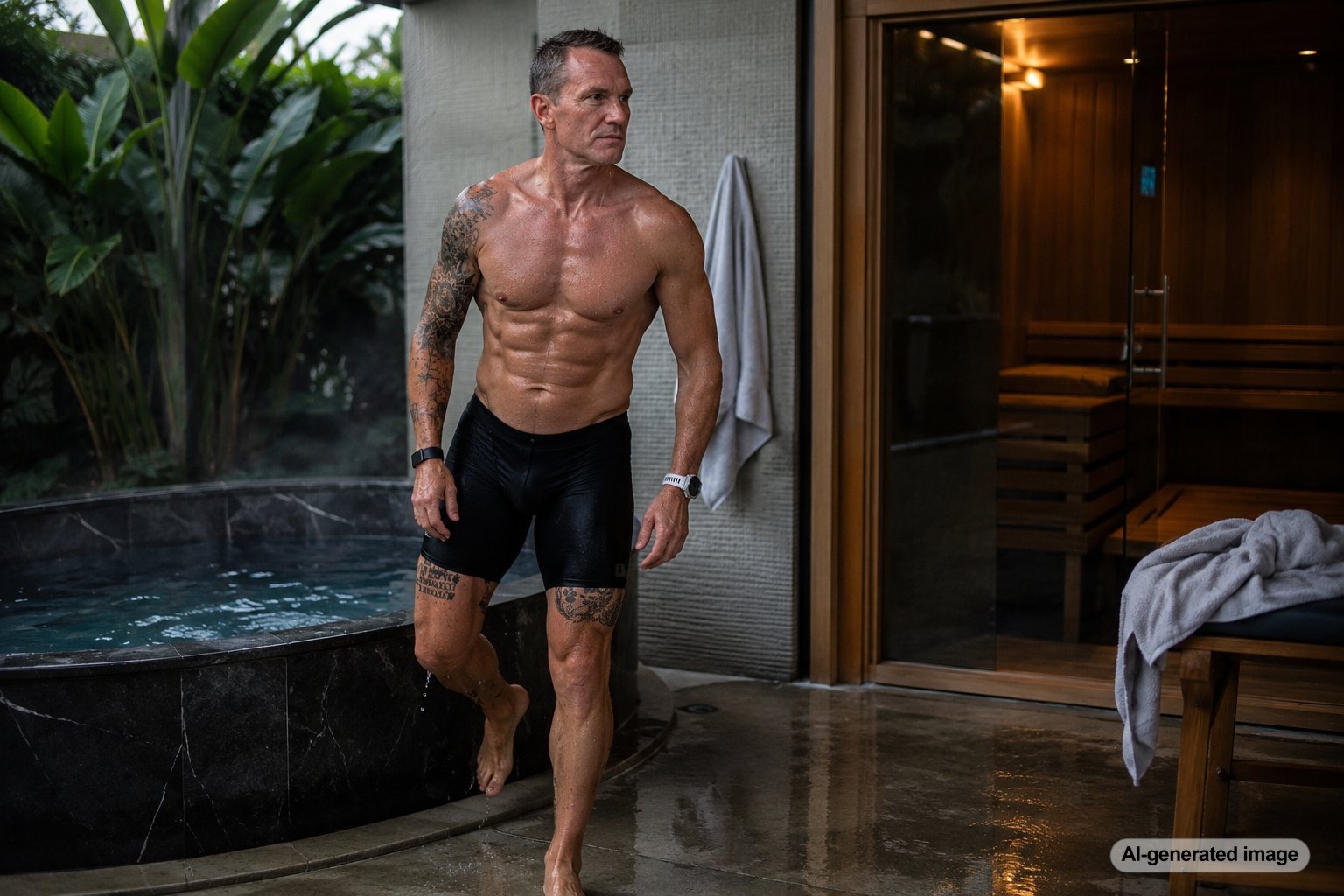
Cold plunge tubs and sauna sessions have become a familiar sight in training centers, pro locker rooms, and backyard setups. Athletes use them hoping to recover faster, train harder, and feel more resilient between sessions. But the science and real-world experience behind these tools is more nuanced than social media trends suggest. What helps one athlete might not translate the same way for another, especially when training load, sleep, and nutrition are not aligned.
The goal is not to chase every recovery trend. It is to understand how stress, circulation, inflammation signaling, and nervous system recovery actually interact, so these tools can be used with intention instead of assumption.
Quick answer
- Cold exposure may reduce the sensation of soreness, but timing can influence training adaptations
- Sauna use can support relaxation, heat adaptation, and perceived recovery
- Contrast therapy may help some athletes but is not universally beneficial in all training phases
- Foundational recovery habits often drive more impact than any single modality
Cold exposure and what it actually does for athletes
Cold plunges create a rapid drop in skin and muscle temperature, which triggers vasoconstriction and a strong nervous system response. Many athletes report feeling refreshed or less sore afterward, but that does not always mean deeper recovery processes are improved.
From a performance standpoint, cold exposure can reduce the perception of fatigue and soreness, which is useful during competition blocks or multi-day events. However, when used immediately after strength training or hypertrophy-focused sessions, it may blunt some of the signaling processes involved in adaptation. This is why timing matters more than intensity or duration.
What sauna sessions bring to recovery
Heat exposure through sauna use works in the opposite direction. It increases heart rate, promotes sweating, and creates a controlled cardiovascular load that many athletes find relaxing. Over time, consistent sauna use may support heat tolerance and help athletes feel more comfortable in demanding environments.
Beyond physiology, sauna sessions often play a psychological role. They create a structured pause in training, which can help downshift stress levels and support a calmer recovery state. That combination of physical and mental reset is often where athletes feel the biggest benefit.
Contrast therapy: when it helps and when it does not
Alternating between cold and heat, often called contrast therapy, is popular because it feels proactive and intense. Some athletes use it to feel less sore after hard sessions or competitions. The immediate sensation can be compelling, especially when fatigue is high.
But contrast therapy is not a universal solution. In some training phases, especially when the goal is long-term adaptation, repeatedly changing vascular and nervous system states may not provide additional benefit beyond simpler recovery methods. The context of the training cycle matters more than the modality itself.
The recovery picture most athletes overlook
Cold plunges and saunas tend to get attention because they are visible and structured. What often gets overlooked is that recovery is built on far more basic systems. Sleep quality, consistent protein intake, hydration, and smart load management form the foundation that all other tools sit on top of.
When those basics are off, no recovery trend will fully compensate. When they are strong, even simple recovery tools become more effective. The athletes who sustain performance over time usually treat recovery as a system, not a single intervention.
Practical takeaways for athletes
- Use cold exposure strategically, especially around competition or high-volume blocks
- Do not rely on sauna or cold plunge as a replacement for sleep or nutrition
- Pay attention to how your body responds across different training phases
- Think in systems, not isolated recovery hacks
What people often miss
- Feeling better immediately does not always mean better adaptation
- Recovery tools can mask fatigue rather than resolve it
- Timing within the training week often matters more than duration or frequency
FAQ
Should athletes use cold plunges after every workout?
Not necessarily. Frequent use may be helpful in some contexts, but timing and training goals should guide the decision.
Is sauna better than cold exposure for recovery?
They work differently. Sauna supports relaxation and cardiovascular stress, while cold exposure is more about perception of soreness and nervous system response.
Can contrast therapy improve performance?
It may support how an athlete feels between sessions, but performance gains depend more on overall training structure.
What matters most for recovery?
Sleep, nutrition, and smart training load management consistently matter more than any single recovery modality.
Interested in bringing Greg’s message to your event or organization?
Learn more about Greg’s speaking work or get in touch to start the conversation.
Contact Greg or learn more about the Forward Motion Fund.
This article is for educational purposes only and is not medical advice. For diagnosis, treatment, or personalized medical guidance, please speak with a qualified healthcare professional.