
Building Corporate Partnerships For Philanthropic Impact
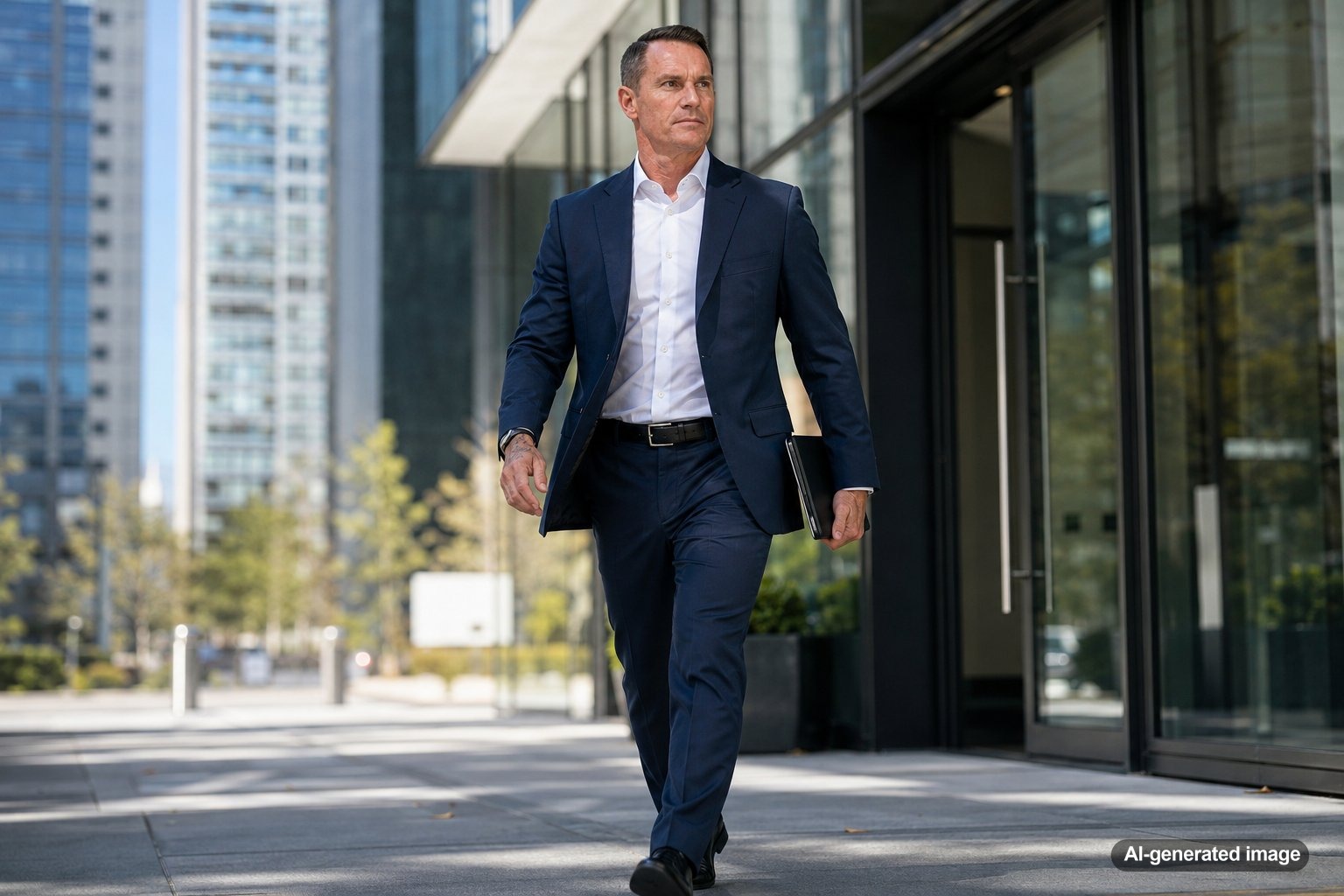
Strong corporate partnerships are not built on logos, one-time donations, or a polished photo after a check presentation. The best partnerships begin with alignment: a shared belief that business can do more than sell, grow, and perform. It can also help move meaningful work forward.
For mission-driven leaders, advocates, athletes, and community builders, corporate partnerships can become a bridge between intention and action. They can expand awareness, create resources, strengthen communities, and give employees a real way to participate in something larger than a quarterly goal. When built with care, they do not feel like charity on the side. They feel like purpose in motion.
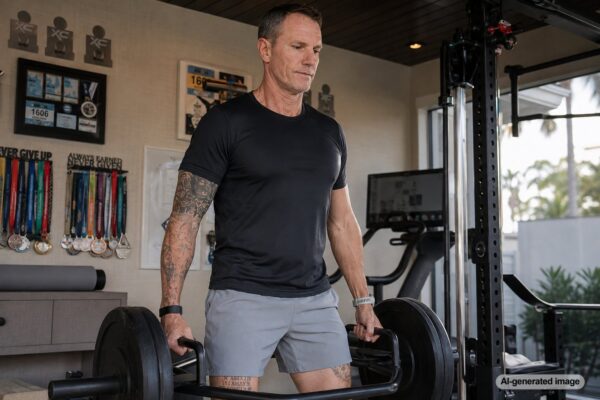
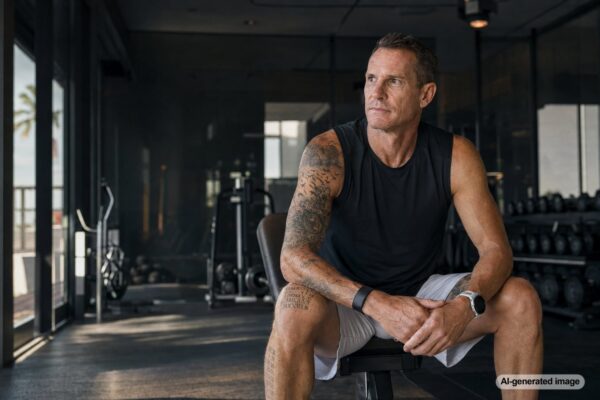
That kind of partnership sits at the heart of Greg Schaefer’s broader work as a speaker, endurance athlete, entrepreneur, and Parkinson’s advocate. His message is not about standing still in the face of difficulty. It is about taking one more step, and helping others do the same. Learn more about Greg’s mission and story on the About Greg page.
Quick answer: what makes a corporate partnership meaningful?
- Shared values: The company and cause need a real connection, not just a convenient marketing angle.
- Clear purpose: Everyone should understand what the partnership is meant to support, change, or make possible.
- Employee engagement: The strongest partnerships invite people inside the company to participate, not just observe.
- Credible storytelling: The impact should be communicated with honesty, dignity, and specificity.
- Long-term thinking: Sustainable philanthropic impact usually grows through trust over time, not one isolated campaign.
Corporate giving is most powerful when it becomes a relationship
A donation can help. A sponsorship can matter. A campaign can raise awareness. But a true partnership goes further because it creates an ongoing relationship between a company, a cause, and the people connected to both.
That relationship works best when each side brings something real to the table. A company may bring resources, reach, employees, expertise, logistics, or visibility. A mission-led organization or advocate may bring lived experience, community trust, a clear cause, and a story that helps people understand why the work matters.
When those strengths meet in the right way, the result can feel less transactional and more human. A company is not simply asking, “What can we fund?” It is asking, “Where can we help move something meaningful forward?”
Alignment matters more than attention
One of the most common mistakes in corporate philanthropy is chasing visibility before alignment. A partnership may look good from the outside, but if the connection between the company and the mission feels thin, the effort can lose credibility quickly.
Alignment does not mean both organizations need to be identical. It means the connection should make sense. A wellness brand supporting research and caregiver resources. A financial services firm investing in resilience and community support. A sports organization backing challenged athletes. A leadership team bringing in a speaker whose lived experience can help employees think differently about adversity, identity, and forward motion.
The best partnerships answer a simple question: why does this relationship belong together?
For Greg’s work, that connection often lives at the intersection of resilience, leadership, health, endurance, family, and mission. A company that values perseverance, community, human performance, or purpose-driven culture may find a natural connection to the Forward Motion Fund and its focus on keeping people moving forward.
Employees should feel like participants, not spectators
Corporate philanthropy becomes more powerful when employees can see themselves in the work. A donation from a company is meaningful, but a mission that employees can understand, talk about, volunteer around, learn from, or personally support often creates a deeper level of connection.
That might look like an internal speaker event, a fundraising challenge, a team endurance activity, a company match campaign, a volunteer day, or a conversation about caregiving, resilience, and leadership. The point is not to manufacture emotion. The point is to create a real path for people to engage.
Employees are more likely to care when the mission is made practical and personal. What does Parkinson’s advocacy mean for families? What does support look like for caregivers? What does it mean for an athlete to return to the starting line after diagnosis? What can a team learn from someone who has built a business, faced uncertainty, and chosen to keep moving?
Impact needs a clear story
Good philanthropic partnerships need more than generosity. They need clarity. People should understand what the partnership supports, why it matters, who it may help, and how the effort fits into a broader mission.
This does not require exaggerated claims. In fact, the most credible impact stories are usually the most grounded. They focus on real needs, real communities, and real progress. They avoid overpromising. They do not use people as props. They explain the mission in a way that honors the people affected by it.
For a cause connected to Parkinson’s, challenged athletes, caregiver support, youth, education, or community resilience, that storytelling should be handled with care. The goal is not to turn adversity into a marketing asset. The goal is to help people understand why support matters and how collective effort can create momentum.
What companies often miss
Many companies think the partnership begins when the campaign launches. In reality, it begins much earlier. The most important work often happens in the conversations before anything is announced: clarifying shared values, defining goals, understanding sensitivities, setting expectations, and deciding what success should actually mean.
Companies also sometimes underestimate the importance of internal culture. A public-facing charitable partnership will feel stronger when employees understand it first. If the mission only appears in a press release, it may feel distant. If it is connected to leadership, employee engagement, team values, and real human stories, it can become part of the company’s culture.
Another overlooked piece is continuity. One event can create attention, but repeated action builds trust. A yearly campaign, recurring speaking engagement, employee challenge, or long-term commitment can give a partnership enough time to grow into something people recognize and believe in.
Practical ways to build a stronger partnership
Organizations looking to create meaningful philanthropic impact can start by asking better questions. What cause feels connected to who we are? What communities are already close to our employees, customers, or leadership team? Where can our resources create real usefulness instead of symbolic support?
From there, the partnership can be shaped with practical structure. Define the goal. Choose a clear point of contact. Decide how the story will be shared. Create a plan for employee engagement. Be honest about what can be measured and what cannot. Make room for learning as the relationship develops.
Partnerships also become stronger when both sides protect the dignity of the mission. That means avoiding language that turns hardship into a simple inspirational sound bite. It means letting lived experience be powerful without making it feel packaged. It means keeping the focus on service, not self-congratulation.
Where speaking can strengthen philanthropic work
A speaker can help make a partnership more than a line item. The right message can give employees, leaders, donors, and community members a shared language for why the work matters.
Greg’s story brings together business leadership, endurance sports, family, Young-Onset Parkinson’s, advocacy, and the discipline of continuing forward when the path changes. For companies building a partnership around resilience, purpose, health, or community impact, that kind of message can help people connect the mission to their own lives and work.
It can also turn a partnership moment into a culture moment. A company may sponsor a cause, but a strong keynote can help employees understand the human reason behind it. To explore how Greg’s message can support an event, team, or organization, visit the Speaking page.
FAQ
What is a corporate partnership for philanthropic impact?
It is a relationship between a company and a cause, advocate, fund, or nonprofit effort designed to support meaningful work. It may include funding, awareness, employee engagement, events, resources, or long-term mission support.
How is a partnership different from a donation?
A donation is often a single act of giving. A partnership usually includes shared planning, communication, participation, and a clearer connection between the company’s values and the mission being supported.
What makes a corporate partnership feel authentic?
Authenticity comes from alignment, transparency, and respect. The cause should make sense for the company, the story should be told honestly, and the partnership should focus on usefulness rather than publicity alone.
Can small or mid-sized companies create meaningful impact?
Yes. Impact is not only about the size of the check. Smaller companies can create strong partnerships through employee involvement, consistent support, local engagement, thoughtful storytelling, and leadership commitment.
Why does mission alignment matter so much?
Mission alignment helps the partnership feel credible and sustainable. When employees, customers, and community members can understand why the relationship exists, they are more likely to trust it and engage with it.
Interested in bringing Greg’s message to your event or organization?
Learn more about Greg’s speaking work or get in touch to start the conversation.
Contact Greg or learn more about the Forward Motion Fund.
This article is for educational purposes only and is not medical advice. For diagnosis, treatment, or personalized medical guidance, please speak with a qualified healthcare professional.