
How To Plan A Cycling Fueling Strategy Using Only Liquid Nutrition
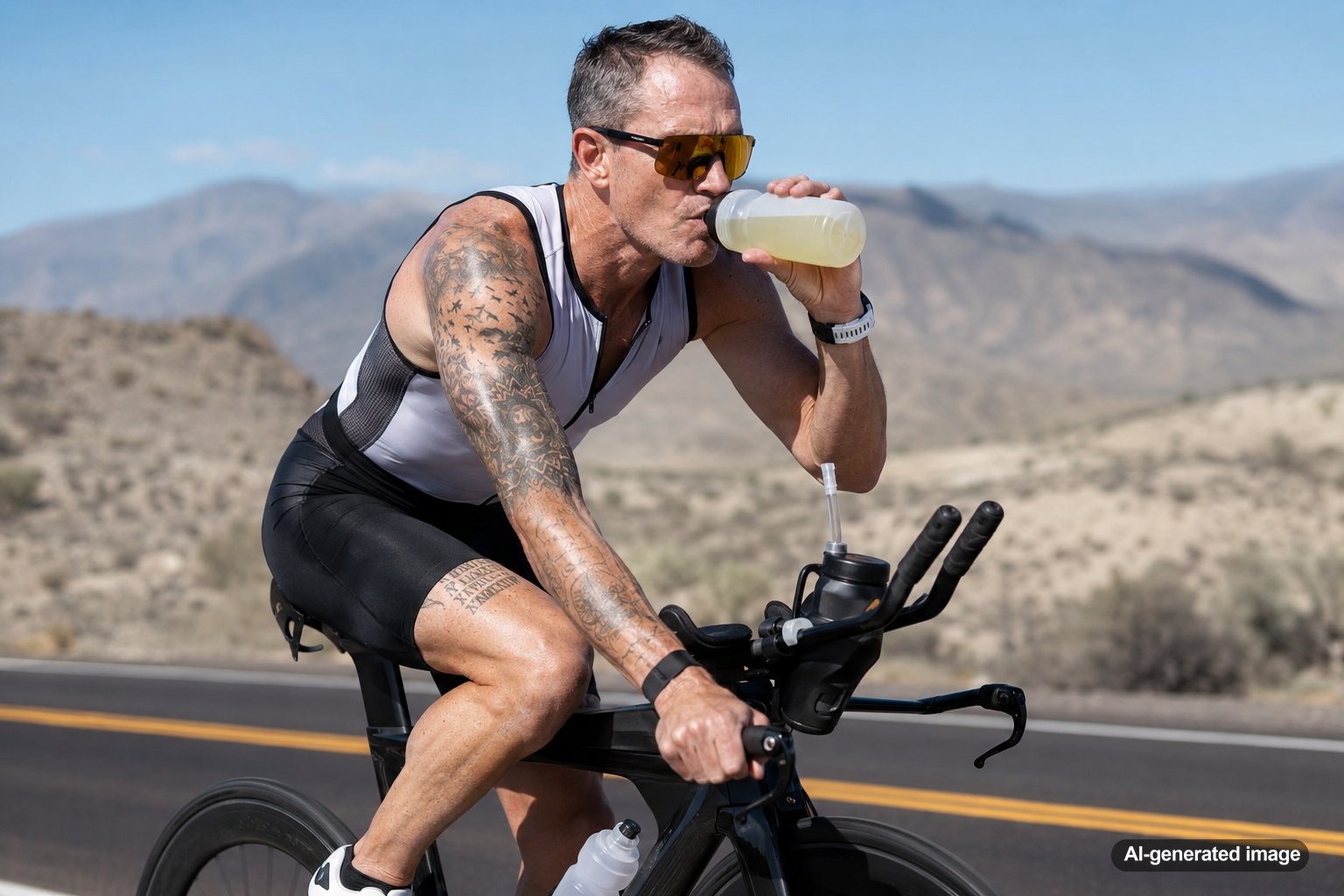
A liquid-only cycling fueling strategy can simplify long rides by placing hydration, carbohydrates, and electrolytes into a repeatable bottle plan. It can also create problems when the concentration is too strong, the weather changes, or the rider follows a schedule that was never tested under real training conditions.
The goal is not to copy another athlete’s bottle setup. The goal is to build a system that matches your ride duration, intensity, environment, equipment, and tolerance. Like any endurance plan, it should be practiced before it is trusted. Greg’s broader approach to endurance, leadership, and forward motion reflects the same principle: preparation becomes useful when it holds up under pressure.
Quick answer
- Estimate how long you will ride and how often you can refill or collect bottles.
- Choose a liquid fuel that provides carbohydrates and electrolytes in a concentration you tolerate.
- Calculate the total number of bottles or concentrated servings required for the full ride.
- Use alarms, course landmarks, or bottle markings to keep intake consistent.
- Test the plan during progressively longer sessions before using it in an important event.
Start with the demands of the ride
A two-hour aerobic ride and a six-hour race simulation do not require the same logistics. Before mixing anything, define the session clearly.
- Expected duration: Include realistic delays, climbs, aid-station stops, and mechanical interruptions.
- Intensity: Harder riding may make it more difficult to drink large amounts at once, especially when breathing is elevated.
- Temperature and humidity: Hot conditions may increase fluid needs, while cool conditions can reduce the natural urge to drink.
- Access to water: Identify stores, fountains, support vehicles, aid stations, or planned bottle exchanges.
- Bike storage: Count every bottle cage, rear hydration mount, frame reservoir, and safe storage option.
This first step keeps the plan grounded in reality. A perfect formula is not useful if the bike cannot carry it or the course does not provide enough water to support it.
Decide whether every bottle will be identical
There are two common ways to organize liquid nutrition. The first is to make every bottle the same. The second is to carry concentrated fuel separately and use plain water alongside it.
Identical bottles
With this approach, each bottle contains the same mixture. It is easy to understand, easy to track, and difficult to confuse when fatigue builds. The limitation is that fluid and fuel are locked together. If you need more water because the day becomes hotter, drinking extra also increases your fuel intake.
Concentrated fuel plus water
A concentrated bottle can hold multiple servings of liquid fuel, while separate bottles provide plain water. This may reduce the number of fuel bottles you need to carry, but it requires more attention. You must consistently pair a measured amount of concentrate with enough water rather than sipping randomly from both.
Neither method is automatically better. The best choice is the one you can execute accurately while riding, climbing, navigating, and managing fatigue.
Build the plan backward from total ride time
Once you know the estimated duration, calculate the full amount of liquid nutrition needed for the session. Then divide that total into bottles, servings, or refill packets.
For example, imagine a rider planning a five-hour training ride. Instead of thinking only about the first bottle, the rider maps the entire session:
- How many servings will be consumed during each hour?
- How much fluid will each serving require?
- How many bottles can be carried from the start?
- Where will additional water or prepared bottles be available?
- What backup will be carried if the ride takes longer than expected?
The final plan might use two prepared bottles on the bike, measured powder packets for refills, and one emergency serving stored separately. The exact setup will vary, but the planning logic stays the same: account for the entire ride before rolling out.
Keep the concentration consistent
One of the easiest mistakes is adding extra powder to a bottle without adding enough water. A stronger mixture may seem efficient because it carries more fuel, but it can become difficult to drink and may not sit comfortably during sustained effort.
Follow the product’s mixing directions as a starting point, then test how the mixture works for you during training. Use the same bottle size, measuring scoop, and preparation method whenever possible. Consistency makes it easier to understand what worked and what needs adjustment.
If you use a concentrated bottle, mark the bottle with serving lines. Those marks create a visible pacing guide and reduce guesswork when fatigue makes mental calculations less reliable.
Create a drinking rhythm before you feel behind
Liquid nutrition works best when it is consumed steadily rather than saved for occasional large drinks. Waiting until you feel depleted can lead to rushed intake, poor pacing, and an attempt to catch up all at once.
A practical rhythm might be based on:
- A repeating watch or bike-computer alert
- A set number of sips every several minutes
- A target bottle level at the end of each hour
- Course landmarks, aid stations, or scheduled turns
The method matters less than the consistency. Choose a cue that remains noticeable when the ride becomes uncomfortable. The strongest endurance systems are often simple enough to follow when concentration is limited.
Separate the fueling plan from the carrying plan
Knowing what you intend to consume is only half the strategy. You also need a reliable way to transport, refill, and access it.
For a supported event, study the course and confirm where water or bottle exchanges will be available. For an unsupported ride, identify refill locations before departure and carry measured portions that can be mixed without estimating. Keep powder packets sealed, labeled, and accessible.
Avoid placing every serving in one container unless you also have a backup. A dropped bottle, broken cage, leaking cap, or missed aid station should not erase the entire plan. Redundancy matters most when the ride is long enough that one mistake can affect several hours.
Common mistakes to avoid
- Changing products on an important day: A new flavor, formula, or concentration introduces an unnecessary variable.
- Ignoring plain water: A concentrated fueling system still requires a clear water plan.
- Mixing by memory: Use measured servings instead of estimating powder when tired or rushed.
- Planning for the best-case finish time: Carry enough to cover delays, slower pacing, and unexpected conditions.
- Testing only on easy rides: A strategy that works at low intensity should also be evaluated during race-specific efforts.
Test the strategy in stages
Do not introduce a complete liquid-only system for the first time during your longest ride. Build confidence through progressive testing.
- Use the product during a shorter, familiar session.
- Repeat the test at a moderate duration and normal training intensity.
- Practice the exact bottle setup you plan to use later.
- Test in warmer, cooler, flatter, and hillier conditions when possible.
- Complete at least one long ride using the full schedule, carrying plan, and refill process.
After each test, record what happened. Note how much you actually drank, whether the flavor became difficult to tolerate, whether bottles were easy to reach, and whether the schedule felt natural. Small observations can prevent large problems later.
Adjust for weather without abandoning the system
A useful fueling strategy has structure, but it is not rigid. Weather, intensity, and ride duration can change. Your plan should include clear ways to adapt without improvising from scratch.
For example, you might keep the amount of fuel relatively consistent while increasing plain water during hotter conditions. In cooler weather, you may use smaller bottles or more deliberate reminders because thirst can be less noticeable. Any adjustment should be based on a method you have practiced, not a last-minute guess.
Endurance athletes often learn that discipline is not the same as stubbornness. Discipline means following a tested framework while recognizing when conditions require a thoughtful change.
Know when liquid-only fueling may not be the best fit
Some riders appreciate the simplicity of drinking their fuel. Others experience flavor fatigue, prefer texture variety, or find it difficult to carry enough liquid for very long sessions. A liquid-only plan is an option, not a requirement.
If you repeatedly struggle to consume the planned amount, dislike the mixture after several hours, or cannot support the system with enough water, reconsider the format. A mixed approach using both liquid and solid nutrition may be more practical. The most effective strategy is one you can tolerate and execute consistently.
Frequently asked questions
Can I use the same liquid nutrition plan for training and racing?
You can use the same basic system, but race intensity, course access, weather, and bottle logistics may require adjustments. Practice the race-specific version during training rather than assuming the standard setup will transfer perfectly.
Should I carry premixed bottles or powder packets?
Premixed bottles are convenient and reduce preparation during the ride. Powder packets are lighter and easier to carry for refills, but they require reliable access to water and accurate mixing. Many riders use a combination of both.
What happens if I miss part of the schedule?
Avoid forcing a large amount down immediately. Return to a steady rhythm and evaluate how you feel. A backup serving can help when the ride runs longer than expected, but it should not encourage overconsumption.
How do I prevent flavor fatigue?
Test different approved flavors during training, keep the mixture at a tolerable concentration, and consider carrying plain water separately. A flavor that tastes appealing before the ride may feel very different after several hours.
How often should I review my fueling strategy?
Review it whenever your ride duration, training intensity, weather, equipment, or nutrition product changes. Your plan should evolve with your experience rather than remain fixed indefinitely.
The bottom line
A strong liquid-only cycling fueling strategy is built from total ride time, realistic bottle logistics, consistent mixing, steady intake, and repeated testing. Simplicity is valuable, but only when the system accounts for the details that appear after several hours on the bike.
The process reflects a broader lesson from endurance sport: prepare the plan, practice it under pressure, learn from what happens, and keep moving forward one decision at a time. Organizations looking for a grounded message about endurance, resilience, and leadership can explore Greg’s speaking work.
Interested in bringing Greg’s message to your event or organization?
Learn more about Greg’s speaking work or get in touch to start the conversation.
Contact Greg or learn more about the Forward Motion Fund.
This article is for educational purposes only and is not medical advice. For diagnosis, treatment, or personalized medical guidance, please speak with a qualified healthcare professional.