

What Endurance Racing Teaches You About Energy Management
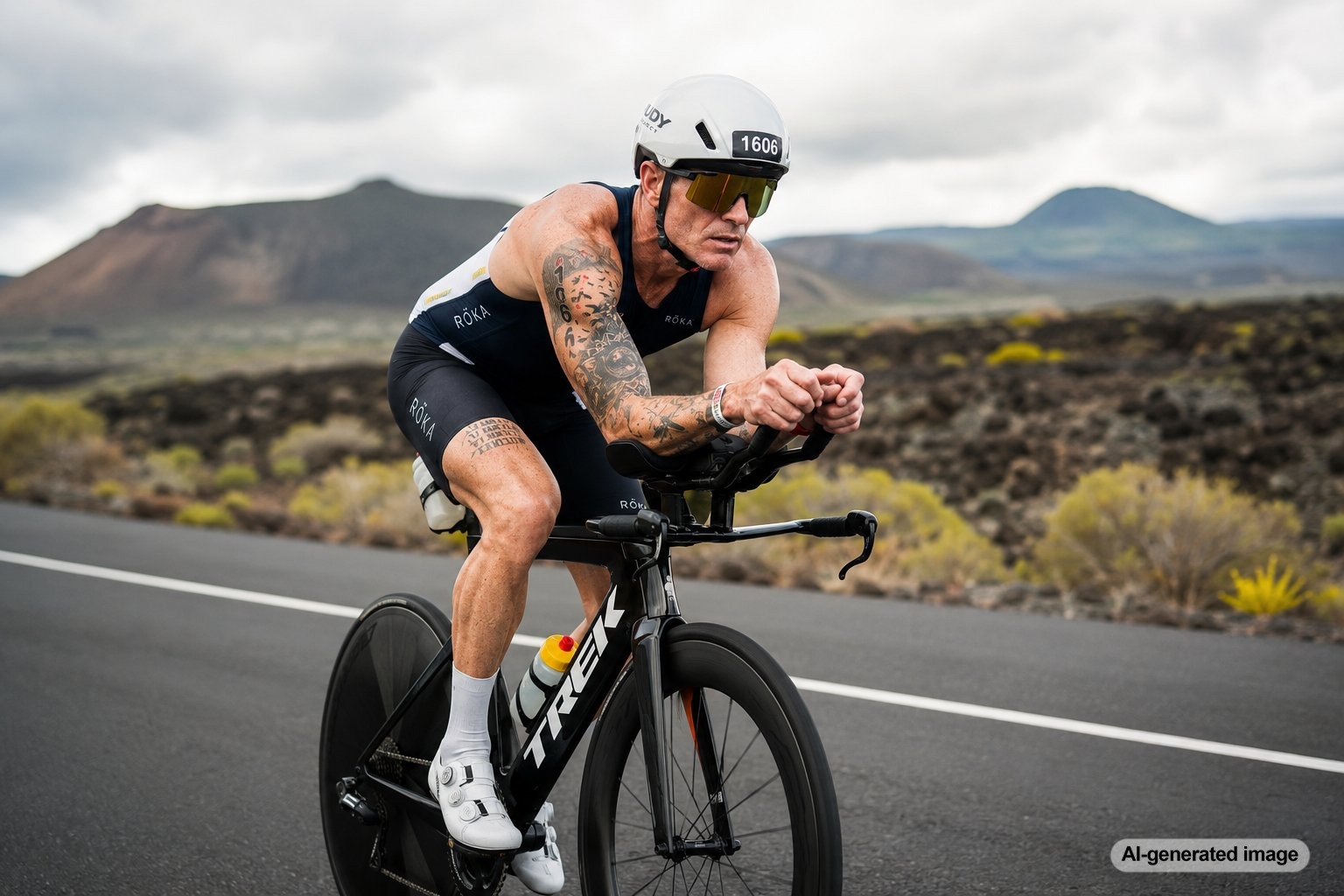
Endurance racing has a way of revealing the truth about energy. It is not enough to be strong at the start, excited by the crowd, or willing to suffer when things get hard. The people who go the distance learn how to manage effort, attention, emotion, nutrition, recovery, and patience long before the finish line appears.
That lesson reaches far beyond racing. In business, family, advocacy, leadership, and life with real adversity, energy is not something to spend carelessly and hope to replace later. Greg Schaefer’s story, from entrepreneurship to Ironman racing to life with Young-Onset Parkinson’s, is built around a simple but demanding idea: forward motion requires stewardship. You can learn more about Greg’s broader work on the About Greg page.
Quick answer: endurance racing teaches you to spend energy with intention
- Pacing matters more than intensity. Going too hard too early can cost you later, even when you feel great at the beginning.
- Recovery is part of performance. Rest, refueling, and resetting are not signs of weakness. They are part of the system.
- Emotional control saves energy. Panic, frustration, and ego can burn fuel faster than the course itself.
- Small decisions compound. Hydration, cadence, breathing, posture, and mindset each matter more over time.
- The goal is not constant speed. The goal is sustainable forward motion.
Energy management begins before the race gets hard
One of the biggest mistakes in endurance racing is believing energy management starts when fatigue arrives. By then, the most important decisions may already have been made. The first miles of a race are often filled with adrenaline, noise, and optimism. It can feel natural to surge, chase, compare, or prove something.
Experienced endurance athletes learn that early discipline is not caution. It is confidence. Holding back when you feel strong requires maturity because it means trusting the whole race, not just the moment you are in. That same lesson applies to leadership and life. A founder, parent, advocate, or team leader can burn through energy by responding to every demand with equal urgency. The harder skill is knowing what deserves full force, what needs a steady rhythm, and what can wait.
Pacing is not about doing less
Pacing is sometimes misunderstood as restraint for its own sake. In endurance racing, pacing is actually a commitment to finishing well. It asks the athlete to respect the distance, the conditions, the body, and the larger objective. You are not avoiding effort. You are placing effort where it can do the most good.
That distinction matters in real life. Energy management is not about becoming less ambitious, less generous, or less committed. It is about refusing to spend your best energy on the least important things. A leader who reacts to every problem at the same volume eventually becomes less effective. An athlete who ignores early signals pays for them later. A person facing a difficult season has to choose where attention, emotion, and effort will go.
The body gives information before it gives warnings
Endurance athletes become students of signals. A change in breathing, a heavy stride, a tight shoulder, a skipped fueling window, or a rising heart rate can all offer information before a bigger problem develops. The best racers are not detached from their bodies. They are listening closely.
Outside of racing, many people wait until they are depleted before adjusting. They notice burnout only after it has already shaped their mood, focus, patience, and decision-making. Energy management asks a better question: what is my system telling me right now? Not every signal requires stopping. Some require adjusting. Some require refueling. Some require a quieter pace for a stretch so forward motion can continue.
Recovery is not the opposite of toughness
Endurance culture can sometimes make suffering look like the whole point. Suffering may be part of the race, but it is not the strategy. A sustainable athlete learns that recovery, sleep, food, mobility, and mental reset are not luxuries added after the work. They are part of the work.
This is especially important for high-performing people who are used to pushing through. Entrepreneurs, caregivers, athletes, and mission-driven leaders often carry more than others can see. The temptation is to treat rest as something earned only after everything is complete. Endurance racing teaches a different truth: recovery protects the ability to keep showing up.
Emotional energy has to be managed too
In a long race, the mind can become as demanding as the course. A mechanical issue, a tough stretch, a slower split, or a bad mile can trigger frustration. If that frustration takes over, it can drain energy quickly. The athlete who survives the moment is often the one who can narrow the focus, reset the plan, and return to the next useful action.
That is one reason endurance racing offers such a strong metaphor for resilience. Resilience is not pretending the hard part is easy. It is learning not to hand over all your energy to the hard part. Greg’s core message, One More Step… Just One More, reflects that practical kind of resilience. It is not about grand speeches in the middle of struggle. It is about the next step that keeps you moving.
What people often miss about energy management
People often think energy management is a personal productivity topic. Endurance racing shows it is much deeper than that. It is physical, emotional, relational, and strategic. It shapes how you lead, how you recover, how you make decisions, and how you respond when the plan changes.
- Comparison wastes energy. Racing someone else’s race can pull you away from your own best strategy.
- Ego is expensive. Proving something in the wrong moment can cost more than it gives back.
- Consistency beats drama. Steady effort often creates stronger outcomes than emotional surges.
- Support systems matter. No long race is truly solo, even when only one person crosses the finish line.
The leadership lesson: protect the energy that protects the mission
For leaders, energy management is not just personal maintenance. It affects the team. A leader who is constantly depleted often becomes less patient, less clear, and less able to see the bigger picture. In a race, poor energy management can change the entire day. In an organization, it can change the tone of a room.
Endurance racing teaches leaders to think in systems. What drains energy unnecessarily? What restores it? Where is the team surging when it should settle? Where is it settling when it needs to act? These questions are not soft. They are performance questions.
Practical takeaways from endurance racing
The lessons from endurance racing become most useful when they are translated into daily decisions. You do not need to be training for an Ironman to apply them.
- Start with the full distance in mind. Before saying yes, ask whether the pace is sustainable.
- Name your energy leaks. Identify the habits, meetings, conflicts, or distractions that drain more than they deserve.
- Build recovery into the plan. Do not wait for exhaustion to justify rest.
- Use small resets. A walk, breath, meal, conversation, or quiet hour can keep the larger effort intact.
- Focus on the next useful action. When the full distance feels too big, return to the next step.
FAQ
Why is energy management so important in endurance racing?
Because endurance racing rewards sustainability. Strength matters, but the athlete who manages effort, fueling, mindset, and recovery usually has a better chance of staying steady when the race gets difficult.
How does pacing apply outside of sports?
Pacing applies to leadership, work, family life, advocacy, and personal adversity. It helps people avoid spending all their energy in the first wave of urgency and instead build a rhythm that can last.
Is pushing harder always the answer?
No. Sometimes pushing is necessary. Other times, the wiser move is adjusting, refueling, recovering, or narrowing the focus. Endurance racing teaches that effort has to be matched to the moment.
What is the biggest energy management lesson from Ironman racing?
The biggest lesson may be that forward motion depends on many small decisions. No single moment carries the whole race, but repeated choices around pace, focus, nutrition, recovery, and mindset shape the outcome.
Bottom line
Endurance racing teaches that energy is not just something you have. It is something you manage, protect, and direct. The goal is not to avoid hard things. The goal is to meet them with enough wisdom to keep moving through them.
That is why Greg’s work connects so naturally with leaders, athletes, teams, families, and communities facing their own long-distance challenges. His message is not about pretending the road is easy. It is about learning how to keep going with purpose, discipline, support, and hope. For organizations looking to bring that message to a room, Greg’s speaking work offers a grounded conversation about resilience, leadership, adversity, and forward motion.
Interested in bringing Greg’s message to your event or organization?
Learn more about Greg’s speaking work or get in touch to start the conversation.
Contact Greg or learn more about the Forward Motion Fund.
This article is for educational purposes only and is not medical advice. For diagnosis, treatment, or personalized medical guidance, please speak with a qualified healthcare professional.


