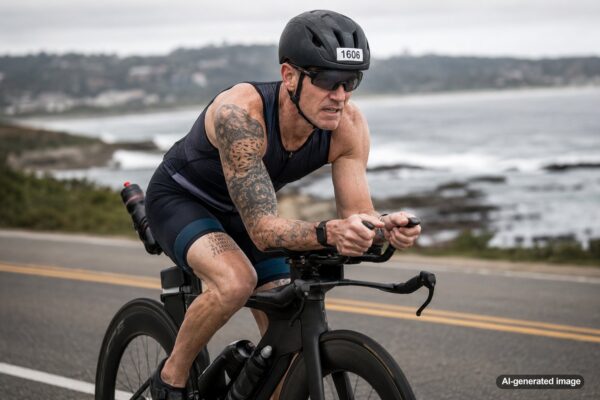
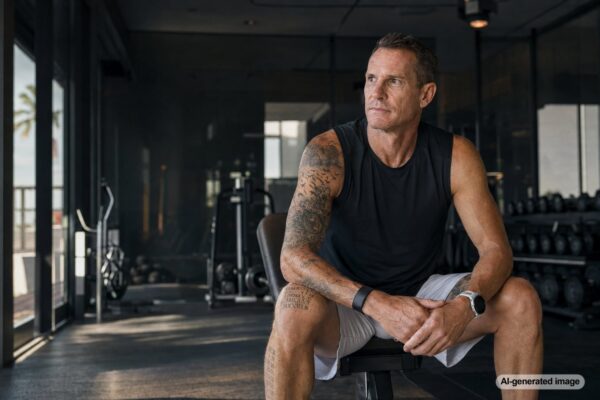
What Endurance Sports Teach You About Long Term Thinking
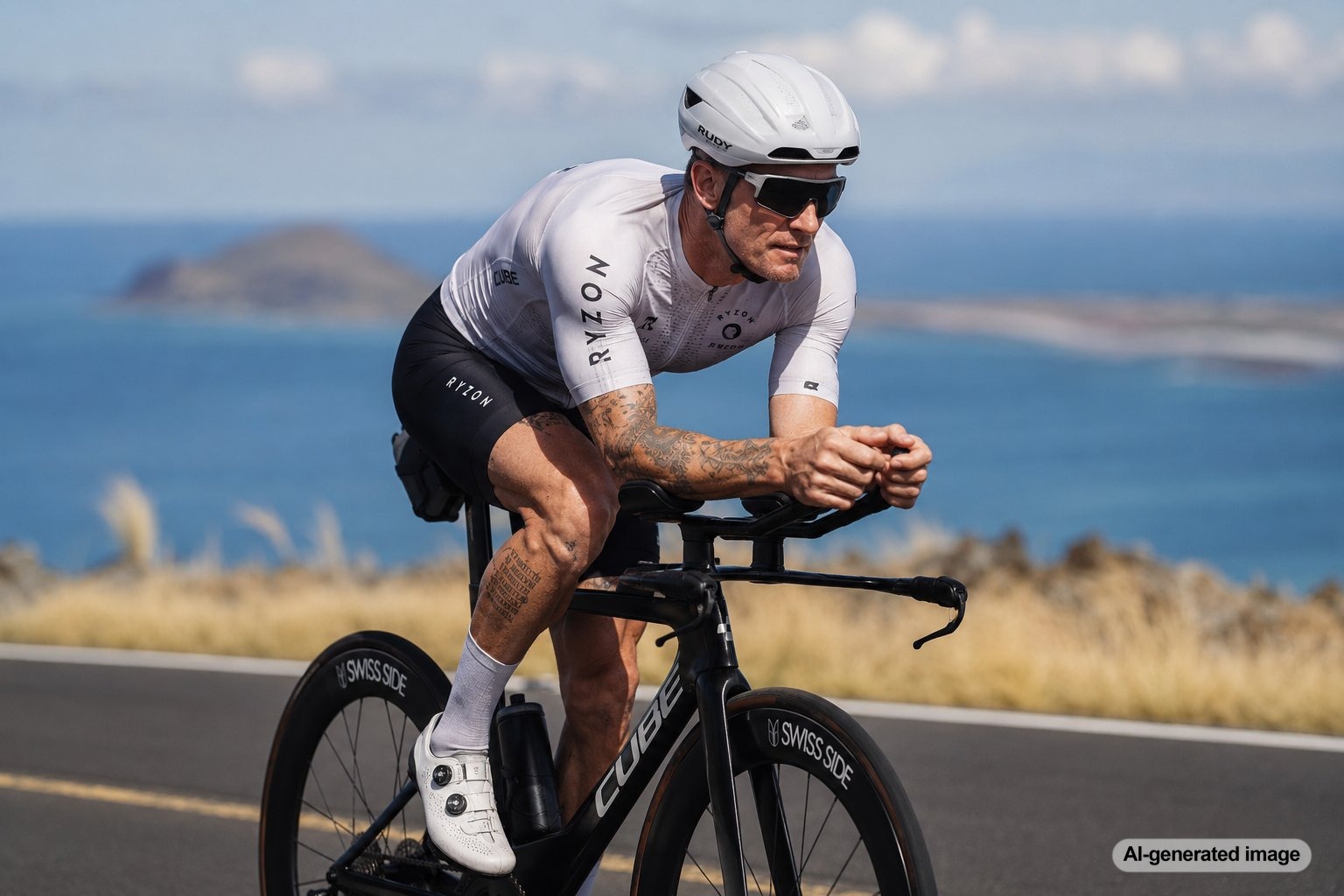
Endurance sports teach long-term thinking because they make one truth impossible to ignore: meaningful progress is rarely built in one dramatic moment. It is built through pacing, patience, adaptation, and the willingness to keep making wise choices long after the early excitement fades.
That lesson reaches far beyond race day. It applies to leadership, family, business, health, advocacy, and personal reinvention. For Greg Schaefer, a dad, husband, CEO, speaker, 20-time Ironman, and Parkinson’s advocate, endurance is not just about crossing finish lines. It is about learning how to stay in motion when the road ahead is uncertain. That perspective also shapes Greg’s speaking work, where endurance becomes a practical language for resilience, discipline, and purpose.
Quick answer
- Endurance sports teach you to respect the long game instead of chasing quick wins.
- They show why pacing matters more than bursts of intensity.
- They train patience, consistency, recovery, and emotional control under pressure.
- They remind you that setbacks are part of the process, not proof that the process is broken.
- They turn the idea of forward motion into a daily practice, not just a race-day slogan.
Long-term thinking starts with pacing, not pushing harder
In endurance sports, the fastest way to ruin a good race is to treat the first mile like the finish line. The body can only absorb so much intensity before it starts asking for a price. The same pattern shows up in business, leadership, caregiving, advocacy, and personal growth. Early momentum feels good, but unmanaged momentum can become burnout.
Long-term thinking begins when you stop asking, “How hard can I go right now?” and start asking, “What pace can I sustain with integrity?” That question changes everything. It encourages better decisions, cleaner priorities, and a more mature relationship with ambition.
Pacing does not mean holding back out of fear. It means understanding the full distance. It means knowing when to push, when to settle in, when to fuel, when to recover, and when to protect enough strength for the miles still ahead.
The finish line is earned in ordinary moments
Endurance sports look dramatic from the outside. The finish chute, the medal, the crowd, and the final push are easy to celebrate. But the real work usually happens where no one is watching. It is the early alarm. The unglamorous training session. The decision to stay consistent when motivation is low. The willingness to repeat small actions until they compound.
This is one of the most useful lessons endurance sports offer: outcomes are often shaped long before they become visible. A race result is not created only on race day. It is created through months and years of preparation, habits, adjustments, and quiet decisions.
That is also how durable leadership is built. Teams do not become resilient in a crisis because someone gives one strong speech. Families do not become steady through one heroic gesture. Missions do not become meaningful through one public announcement. Strength is built through repeated evidence that values will hold up under pressure.
Discomfort becomes information, not an emergency
Endurance sports do not remove discomfort. They teach you how to relate to it. A long race brings fatigue, doubt, changing conditions, unexpected pain, and moments when the mind starts negotiating. The athlete learns to listen without panicking. Is this discomfort something to manage, something to adjust around, or something that requires stopping? That distinction matters.
Long-term thinkers learn a similar skill. They do not treat every hard moment as a sign of failure. They ask better questions. What is this moment teaching me? What needs to change? What is temporary? What requires support? What is still within my control?
That mindset is not denial. It is disciplined attention. It keeps a hard season from becoming the whole story. It allows a person to make thoughtful decisions inside uncertainty instead of being ruled by the loudest emotion in the moment.
Recovery is part of progress
One overlooked lesson from endurance sports is that training does not work without recovery. The body adapts during the space between efforts. More intensity is not always better. Sometimes the strongest long-term decision is to rest, rebuild, and return with more capacity.
This is difficult for driven people. Entrepreneurs, athletes, leaders, advocates, and caregivers often become skilled at pushing through. That skill can be useful, but it can also become expensive when it turns into a refusal to recover.
Long-term thinking requires a wider definition of discipline. Discipline is not only doing the hard thing. Sometimes discipline is choosing the sustainable thing. It is sleeping when your pride wants another hour of work. It is asking for help before resentment hardens. It is building systems that do not depend on running at maximum effort every day.
Adaptability matters more than a perfect plan
No endurance athlete gets through every training cycle or race exactly as planned. Weather changes. Nutrition goes wrong. The body has an off day. A strategy that made sense on paper may need to be adjusted in real time. The goal is not to avoid every disruption. The goal is to respond without losing the mission.
That is one of the deepest connections between endurance and life. Long-term thinking is not rigid thinking. It is not pretending the original plan will survive every variable. It is staying committed to the larger purpose while remaining flexible about the route.
Greg’s story reflects that kind of adaptation. His platform sits at the intersection of family, business leadership, endurance sports, Parkinson’s advocacy, and mission-driven impact. The lesson is not that adversity makes everything simple. It is that a meaningful life can keep moving even when the path changes. That spirit is also reflected in the Forward Motion Fund and its focus on supporting mission-aligned work connected to research, caregivers, challenged athletes, and youth initiatives.
What people often miss about endurance
People sometimes confuse endurance with toughness alone. Toughness matters, but it is not the whole picture. Endurance is also judgment. It is patience. It is humility. It is the ability to be honest about the conditions and still keep going in a wise way.
- Endurance is not just suffering longer. It is learning how to manage effort with purpose.
- Endurance is not ignoring limits. It is understanding them well enough to work with them intelligently.
- Endurance is not a solo virtue. Behind most finish lines are family members, teammates, coaches, friends, clinicians, volunteers, and communities.
- Endurance is not only physical. It is emotional, relational, spiritual, and practical.
That broader definition makes endurance useful for people who may never sign up for an Ironman. The principles still apply. Keep the mission clear. Respect the distance. Build support. Adjust when needed. Take the next step with honesty.
Practical takeaways for long-term thinking
The endurance mindset becomes most valuable when it turns into practice. A person does not need to be an elite athlete to use these lessons. They can show up in a boardroom, a family conversation, a recovery season, a fundraising effort, a career transition, or a private moment of doubt.
- Define the real distance. Before you rush, ask what the full commitment actually requires.
- Choose a sustainable pace. A pace you can repeat often beats an intensity you can only survive briefly.
- Make recovery non-negotiable. Rest, reflection, and support protect long-term capacity.
- Expect adjustment. A changed plan does not mean a failed mission.
- Measure forward motion in small steps. Some days, progress is not dramatic. It is simply continuing with purpose.
FAQ
What does endurance sports teach about patience?
Endurance sports teach patience by making progress depend on consistent preparation over time. You learn that trying to force the outcome too early can weaken the result. Patience becomes an active skill, not passive waiting.
How does endurance training apply to leadership?
Leadership and endurance both require pacing, decision-making under pressure, resilience after setbacks, and the ability to stay connected to a larger purpose. Strong leaders, like strong endurance athletes, learn to manage energy instead of only chasing intensity.
Why is recovery important for long-term success?
Recovery protects the capacity to keep going. Without recovery, effort can become depletion. Long-term success usually requires cycles of work, rest, reflection, and adjustment.
Is long-term thinking the same as being slow?
No. Long-term thinking is not about moving slowly for its own sake. It is about moving wisely. Sometimes that means pushing hard. Sometimes it means conserving energy. The key is knowing what the larger goal requires.
The bottom line
Endurance sports teach that the long game is not won by one perfect day. It is shaped by thousands of imperfect, intentional choices. The lesson is not just to keep going. It is to keep going with purpose, patience, support, and enough humility to adapt.
In that sense, endurance is more than an athletic skill. It is a way of thinking about life when the distance is uncertain and the outcome is not guaranteed. One more step. Just one more. Over time, those steps can become a life of forward motion.
Interested in bringing Greg’s message to your event or organization?
Learn more about Greg’s speaking work or get in touch to start the conversation.
Contact Greg or learn more about the Forward Motion Fund.
This article is for educational purposes only and is not medical advice. For diagnosis, treatment, or personalized medical guidance, please speak with a qualified healthcare professional.