

How To Find Your Rhythm In The Water When Pressure Hits
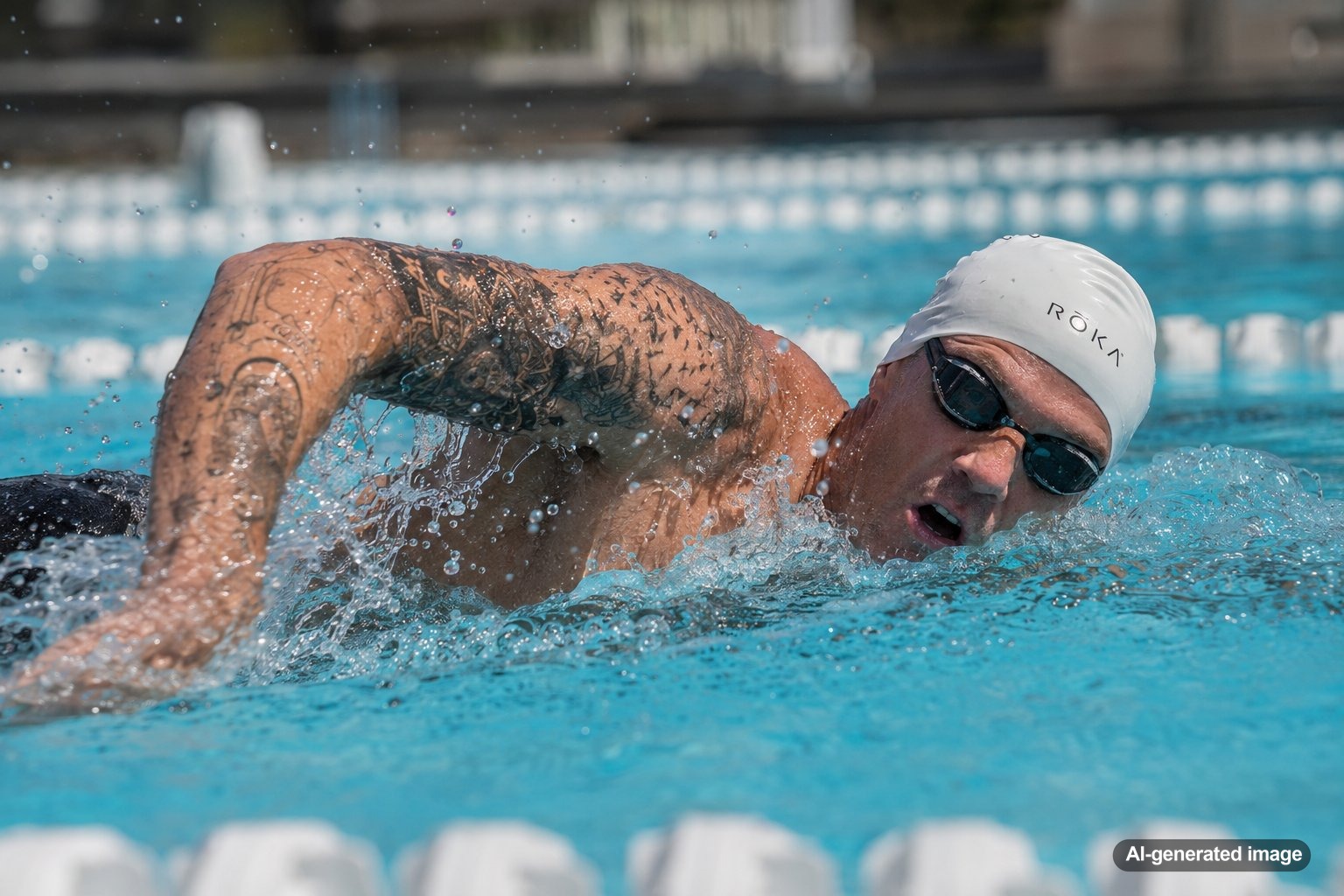
Pressure changes the water. Not physically, of course. The lane, lake, ocean, or race course may be the same, but the body can interpret it differently when nerves rise, breathing tightens, and the mind starts scanning for danger. In those moments, finding rhythm is not about pretending the pressure is gone. It is about giving your body a reliable pattern to return to.
For endurance athletes, swimmers, leaders, and anyone learning to keep moving through hard moments, the water offers a clear lesson: panic speeds everything up, but rhythm gives you something steady to follow. Greg Schaefer’s story lives in that space between pressure and forward motion. Whether on a race course, in business, or while navigating a life-altering diagnosis, the next useful step often begins with returning to what can be controlled. You can learn more about that broader message through Greg’s story and his work as a speaker.
Quick answer
- Start by slowing the exhale instead of forcing a bigger inhale.
- Use a simple cue, such as reach, breathe, relax, repeat.
- Shorten your focus to the next stroke, buoy, wall, or breath.
- Let rhythm return gradually rather than demanding instant calm.
- Practice pressure before race day so your reset feels familiar.
Why pressure disrupts rhythm in the water
Swimming can feel uniquely unforgiving when pressure hits because the environment gives immediate feedback. A tight breath changes body position. A rushed stroke creates drag. A crowded start or unexpected wave can make the mind jump ahead too quickly. Unlike running or cycling, where you can often talk yourself through discomfort while breathing freely, swimming asks you to coordinate breath, movement, timing, and calm inside a medium that does not negotiate.
That is why rhythm matters so much. It is more than pace. It is the relationship between breath, stroke, body position, attention, and trust. When one part gets rushed, the others often follow. A swimmer who panics may lift the head too high, kick harder than needed, shorten the stroke, and burn energy quickly. The fix is rarely to muscle through. More often, the fix is to simplify.
The first reset is usually the exhale
When pressure rises, many people try to solve the problem by grabbing more air. In the water, that instinct can backfire. A rushed inhale often begins with an incomplete exhale. The chest stays tight, the body rides higher in tension instead of balance, and every breath feels like a small emergency.
A better first cue is simple: finish the exhale. Not dramatically. Not with force. Just steadily enough that the next breath has room to arrive. In a race or hard swim, that may mean two or three strokes where your only job is to breathe out calmly underwater and stop fighting the water for control.
This idea carries beyond swimming. Under pressure, leaders, parents, athletes, and teams often try to add more effort before they restore rhythm. More urgency. More force. More noise. Sometimes the smarter move is to create one small pocket of calm so the next decision is cleaner.
Use a cue short enough to remember under stress
Pressure is not the time for a complicated mental checklist. In the water, your cue needs to be short, physical, and repeatable. A few examples:
- Reach, breathe, relax. Useful when the stroke feels tight or clipped.
- Long exhale, soft hands. Useful when tension shows up in the chest and arms.
- One buoy at a time. Useful in open water when the course feels mentally large.
- Eyes down, hips up. Useful when body position starts breaking apart.
The best cue is not always the most poetic one. It is the one your body can actually use when the field is crowded, the water is choppy, and your mind wants to sprint ahead. Greg’s broader message of forward motion fits here because it does not require the whole course to feel manageable. It asks for the next useful action. One more breath. One more stroke. One more step.
Do not confuse speed with rhythm
A common mistake in the water is believing rhythm means going fast. It does not. Rhythm means the pieces are working together. A swimmer can be moving quickly and still be inefficient, tense, and reactive. Another swimmer may be slightly slower for a few moments but more composed, more balanced, and better positioned to build later.
This matters in endurance racing because early pressure can trick athletes into spending energy they will need later. It also matters in life and leadership. The loudest pace is not always the strongest pace. A steady pattern, repeated long enough, can become powerful because it is sustainable.
When pressure hits, the question is not, How do I prove I am fine? The better question is, What rhythm lets me keep moving with control?
Practice the pressure before you need the reset
Calm under pressure is easier to access when it has been practiced in smaller doses. In training, that can mean intentionally adding realistic stress in controlled ways. Swim a few intervals after a hard effort. Practice sighting in open water. Start a set with other swimmers nearby. Rehearse your reset cue when you are tired, not only when everything feels smooth.
The goal is not to manufacture panic. The goal is to make the reset familiar. If the first time you try to calm your breathing is in the middle of a race, your body may not trust the cue yet. Repetition builds recognition. Recognition builds confidence. Confidence makes it easier to stay present when conditions change.
What people often miss about water rhythm
Rhythm is not found by forcing control over the whole situation. It is found by returning to one controllable pattern and letting that pattern widen. A steady exhale can lead to a smoother stroke. A smoother stroke can restore body position. Better body position can bring confidence back into the moment.
This is one reason swimming can become such a strong teacher. The water does not respond to speeches, excuses, or bravado. It responds to alignment, patience, and repetition. You cannot fake ease in the water for very long. You have to earn it through small, honest corrections.
How this applies beyond the swim
The lesson is not limited to athletes. Many people know the feeling of pressure changing the environment. A difficult meeting can feel like rough water. A medical diagnosis can make the future feel suddenly crowded and uncertain. A family challenge, business decision, or personal setback can tighten the breath and narrow the mind.
In those moments, rhythm may look different, but the principle remains. Return to one pattern you can trust. Take the next call. Make the next appointment. Have the next honest conversation. Step back into training. Ask for support. Start again without needing the whole future solved.
Greg’s platform is built around that kind of grounded resilience. Not empty optimism. Not pretending hard things are easy. Forward motion means acknowledging the pressure and still choosing the next constructive action. The water simply makes that truth visible.
FAQ
How do I calm down if I start panicking while swimming?
Focus first on creating a steady exhale and reducing unnecessary effort. If you are in open water and feel unsafe, stop, float, signal for help if needed, or move to a safer position. Performance never matters more than safety.
What should I focus on during a stressful open water swim?
Choose one near target and one body cue. For example, sight the next buoy, then return to a relaxed exhale and steady stroke. Keeping the focus small can prevent the whole course from feeling overwhelming.
Can pressure in swimming be useful?
Yes, when it is managed well. Pressure can sharpen attention and reveal where your training needs more repetition. The key is learning how to respond to pressure instead of letting it take over your breathing, pacing, and decision-making.
What is the biggest mistake athletes make when rhythm breaks?
Many athletes add force too quickly. They kick harder, breathe higher, shorten the stroke, or chase speed before restoring control. Often, the smarter move is to slow the exhale, lengthen the stroke, and rebuild rhythm before increasing effort.
The takeaway
Finding rhythm in the water when pressure hits is not about eliminating fear, nerves, or discomfort. It is about having a practical way back to steadiness. Start with the breath. Give the mind a short cue. Focus on the next useful target. Let rhythm return one stroke at a time.
That lesson has weight far beyond the swim. When life gets crowded, hard, or uncertain, forward motion rarely begins with a perfect plan. It begins with one repeatable action you can trust.
Interested in bringing Greg’s message to your event or organization?
Learn more about Greg’s speaking work or get in touch to start the conversation.
Contact Greg or learn more about the Forward Motion Fund.
This article is for educational purposes only and is not medical advice. For diagnosis, treatment, or personalized medical guidance, please speak with a qualified healthcare professional.


