

How Do Ironman Competitions Work?
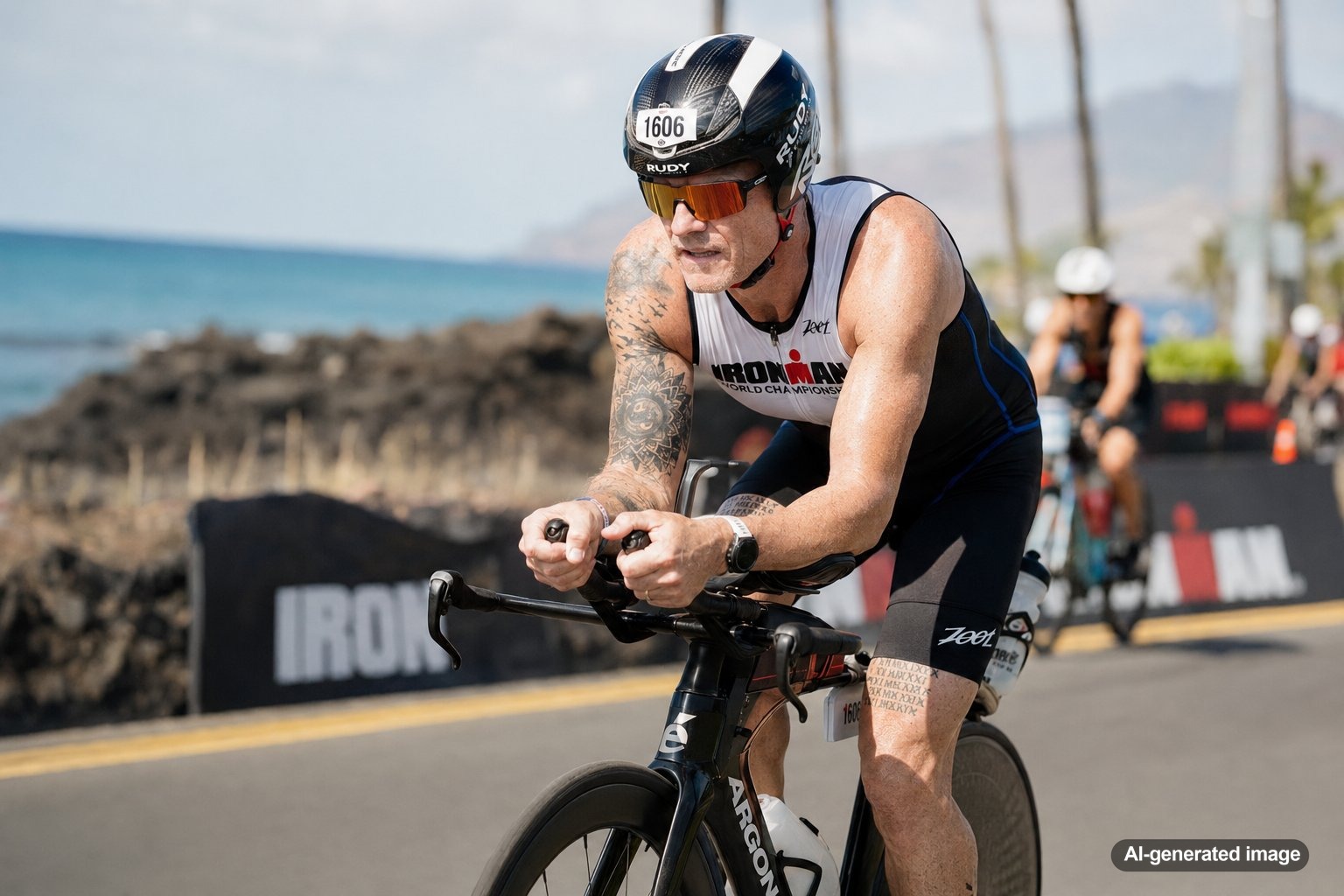
Ironman competitions are built around a simple format that becomes anything but simple once the day begins: swim, bike, run, and keep moving forward until the finish line. A full-distance Ironman is one of the most demanding endurance events in sport because it asks athletes to manage distance, weather, nutrition, pacing, equipment, discomfort, and decision-making over many hours.
For athletes like Greg Schaefer, a 20-time Ironman, the race is more than a physical challenge. It is a test of discipline, adaptability, patience, and resilience under pressure. Those same themes also shape Greg’s work as a speaker, entrepreneur, husband, father, and advocate for forward motion.
Quick answer: how Ironman competitions work
- A full Ironman includes a 2.4-mile swim, 112-mile bike ride, and 26.2-mile marathon run.
- The race is completed in that order: swim first, then bike, then run.
- Transitions are timed, meaning the clock keeps running while athletes change gear between disciplines.
- Most races have cutoff times for the swim, bike, run, and overall finish.
- Success depends on pacing, fueling, mental control, preparation, and the ability to solve problems in real time.
The basic Ironman race format
A full-distance Ironman covers 140.6 total miles. The day starts with the swim, moves into the bike course, and finishes with a marathon. Athletes do not get to pause the clock between events. From the moment the race begins, every minute counts.
That continuous format is part of what makes Ironman racing so unique. It is not three separate races placed next to each other. It is one long event where each discipline affects the next. A swimmer who starts too aggressively may struggle early on the bike. A cyclist who burns too much energy may pay for it deep into the marathon. A runner who ignores nutrition may find that mental strength alone is not enough.
The swim: controlled energy at the start
The swim is often the most crowded and emotionally intense part of the day. Athletes may begin from a beach, dock, or water start, depending on the event. Some races use rolling starts, where athletes enter the water in waves based on expected swim time. Others may use different start formats based on course design and safety logistics.
The goal is not simply to swim fast. The goal is to swim efficiently, stay calm in open water, navigate the course, and exit with enough energy to ride 112 miles. Wetsuits may be allowed or optional depending on water temperature and race rules. Athletes need to understand those details before race morning because they affect comfort, buoyancy, and pacing.
Transition 1: from swim to bike
The first transition, often called T1, is where athletes move from the swim to the bike. They exit the water, find their gear, remove swim equipment, put on cycling gear, and get to the bike mount area. The clock keeps running the entire time.
Transitions reward calm preparation. A clean gear setup, familiar routine, and clear thinking can save time and prevent mistakes. For many athletes, the biggest risk in transition is not losing a few seconds. It is rushing, forgetting something important, or carrying early stress into the longest part of the race.
The bike: the longest section of the day
The 112-mile bike leg usually takes the most time and can define the rest of the race. Athletes must manage speed, heart rate, power output, hydration, nutrition, wind, hills, heat, traffic rules, and mechanical issues. The strongest cyclists are not always the ones who have the best overall races. The best Ironman racers often know how to ride hard enough to stay competitive while still protecting the run.
Fueling becomes especially important on the bike because it is the easiest time to take in calories and fluids consistently. Athletes often follow a planned schedule, but race conditions may force adjustments. Heat, stomach discomfort, missed bottles, rough roads, or unexpected headwinds can all change the day.
Transition 2: from bike to run
The second transition, T2, moves athletes from cycling to running. This can feel strange because the legs are shifting from one movement pattern to another after hours on the bike. Athletes rack the bike, change shoes, adjust gear, and begin the marathon.
T2 is also a mental reset. The bike is over. The marathon is ahead. For many athletes, this is where the race becomes more personal. The numbers still matter, but so do patience, composure, and the willingness to keep making the next good decision.
The run: where pacing and patience are tested
The Ironman marathon is not like a fresh standalone marathon. It begins after the athlete has already swum 2.4 miles and biked 112 miles. That changes everything. Running speed matters, but durability matters more. Athletes have to manage fatigue, aid stations, body temperature, nutrition, muscle soreness, and the emotional swings that can come late in a long race.
Many athletes break the run into smaller pieces. One mile at a time. One aid station at a time. One turn, one hill, one decision, one more step. That is where endurance racing connects so naturally to the deeper message behind Greg’s Forward Motion mindset: progress does not always feel dramatic. Sometimes it is quiet, stubborn, and built one step at a time.
What cutoffs and time limits mean
Ironman races generally use cutoff times to help manage safety, logistics, road closures, volunteer support, and course operations. There may be a swim cutoff, bike cutoff, intermediate course cutoffs, and an overall finish cutoff. These can vary by race, so athletes need to study the specific athlete guide for their event.
Cutoffs add pressure, but they also create structure. Athletes cannot simply finish whenever they want. They must keep moving within the race’s official timing rules. That makes pacing even more important. Going too slowly early can create stress later, but going too hard too soon can create a different kind of collapse.
What people often miss about Ironman racing
From the outside, Ironman can look like a pure fitness contest. Fitness matters, but it is only one part of the equation. The race also tests preparation, humility, decision-making, and emotional control.
- Equipment matters: Bikes, helmets, shoes, hydration setups, nutrition, goggles, and race kits all need to be tested before race day.
- Nutrition is part of the race: Athletes must practice eating and drinking during training because race-day fueling is a skill.
- Weather can change the plan: Heat, rain, wind, cold water, or humidity can force athletes to adapt.
- Mental discipline is practical: Staying calm helps athletes solve problems instead of spiraling when something goes wrong.
- The race is rarely perfect: Most successful athletes do not have flawless days. They respond well when the day gets complicated.
Why Ironman is also a leadership lesson
Ironman racing has a way of revealing how someone responds when the plan meets reality. That is one reason endurance sports often connect with leadership, entrepreneurship, and team performance. Long races reward preparation, but they also reward adaptability. They show the difference between motivation and discipline.
In business, family, advocacy, and endurance, the pattern is similar. You make a plan. Conditions change. You adjust without abandoning the mission. Greg’s story lives at that intersection. His experience as a CEO, father, husband, Ironman athlete, and Parkinson’s advocate gives his message weight because it is rooted in lived practice, not slogans. To learn more about that broader story, visit Greg’s About page.
FAQ: Ironman competition basics
How long is a full Ironman?
A full Ironman is 140.6 miles total: a 2.4-mile swim, 112-mile bike ride, and 26.2-mile run.
Do athletes stop between the swim, bike, and run?
No. Athletes move through transition areas, but the race clock keeps running. The transitions are part of the total race time.
Is an Ironman only for elite athletes?
No. Ironman fields include elite professionals and age-group athletes. However, the distance requires serious preparation, medical awareness, proper training, and respect for the demands of the event.
What is the hardest part of an Ironman?
It depends on the athlete and the course. For some, the swim is the biggest mental hurdle. For others, the bike course, nutrition management, heat, or the late miles of the marathon become the defining challenge.
Why do people do Ironman races?
Some athletes are drawn to the competition. Others are drawn to the structure, personal growth, community, or the chance to prove that they can keep moving through difficult conditions. For many, the finish line represents far more than a race result.
Interested in bringing Greg’s message to your event or organization?
Learn more about Greg’s speaking work or get in touch to start the conversation.
Contact Greg or learn more about the Forward Motion Fund.
This article is for educational purposes only and is not medical advice. For diagnosis, treatment, or personalized medical guidance, please speak with a qualified healthcare professional.


