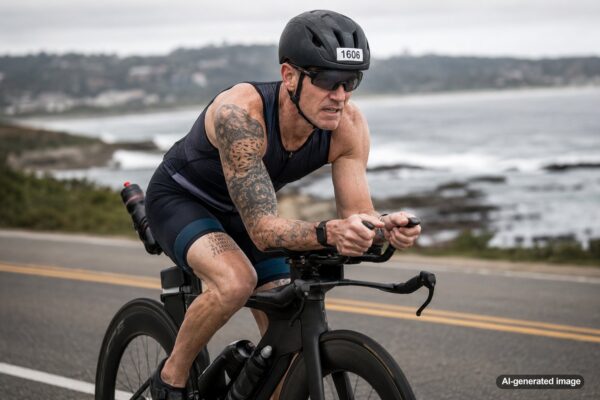
How To Stay Focused During Long Course Training
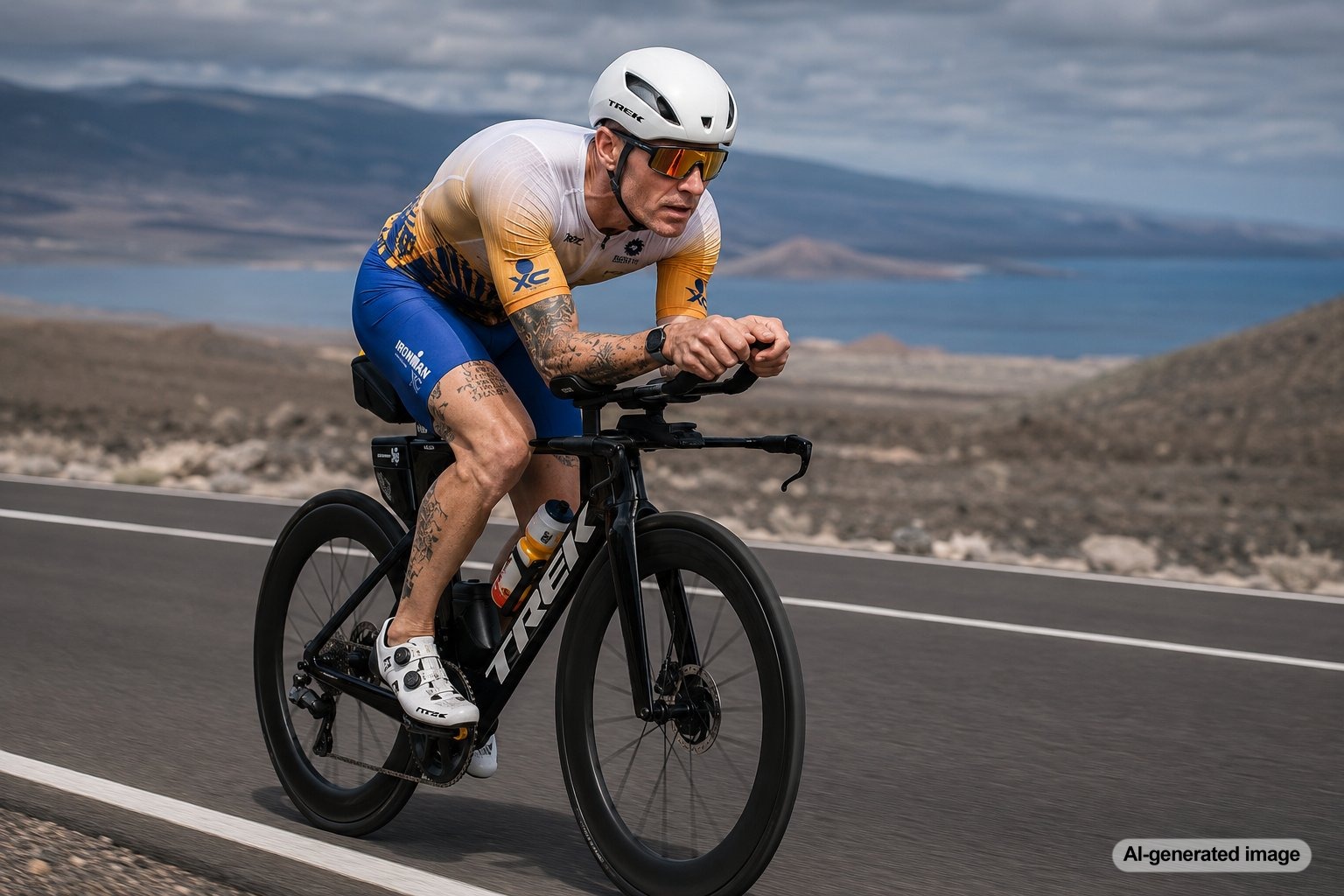
Long course training has a way of exposing everything: your discipline, your schedule, your patience, your recovery habits, and your reasons for showing up in the first place. Focus is not just about being mentally tough during one hard workout. It is about building a system that helps you stay connected to the process when the race still feels far away, the fatigue is real, and the training calendar is asking more from you than your motivation can always provide.
For an endurance athlete, entrepreneur, speaker, dad, husband, and Parkinson’s advocate like Greg Schaefer, forward motion is not just a race-day phrase. It is a way of approaching difficult seasons one honest step at a time. You can learn more about Greg’s story on the About Greg page, but the training lesson is simple: focus lasts longer when it is grounded in purpose, structure, humility, and respect for the work.
Quick answer
- Stay focused by breaking the training block into smaller, measurable pieces instead of obsessing over race day.
- Use clear weekly priorities so every workout has a reason.
- Protect recovery, sleep, and nutrition because mental focus drops when the body is constantly under-recovered.
- Train your attention during long sessions by using cues, checkpoints, and simple mantras.
- Reconnect often with your deeper reason for training, especially when motivation gets quiet.
Focus starts before the workout begins
Many athletes think focus is something they either have or do not have once the session starts. In long course training, focus is usually decided earlier. It starts with how you plan the week, how you protect the important sessions, and how honest you are about the competing demands in your life.
A 5-hour ride, a long run, or a big swim set becomes harder to execute when it is floating around in a chaotic week with no clear priority. Before the training block begins, identify the purpose of each key session. Is it endurance, pacing, nutrition practice, strength under fatigue, confidence, or simply time on feet? When the workout has a job, your mind has something to hold onto.
This matters because long course training can quickly become a blur of volume. The goal is not to collect miles for the sake of miles. The goal is to become more prepared, more durable, and more composed.
Use smaller checkpoints instead of staring at the whole distance
One of the most useful mental shifts in long course training is learning not to carry the entire distance at once. Thinking about a full Ironman, a long race season, or a 20-week build can feel too heavy. The mind does better with smaller assignments.
During a long workout, divide the session into checkpoints. On a ride, that may mean the first hour is about settling in, the middle hours are about steady effort and nutrition, and the final hour is about staying smooth when the body gets tired. On a long run, it may mean checking posture every mile, taking fuel at planned intervals, and using the last section to practice calm effort rather than panic effort.
The same idea works across the season. Instead of asking, “Am I ready for race day?” ask better questions: Did I complete the key session this week? Did I recover well enough to absorb the work? Did I practice fueling? Did I stay patient when the numbers were not perfect?
Make the purpose personal, not performative
Long course training requires a reason that can survive boring days. External motivation can help, but it usually does not last through every early alarm, every lonely stretch of road, or every session where the legs feel flat. Personal purpose is different. It gives the work a deeper place to land.
That purpose does not have to be dramatic. It might be proving to yourself that you can stay committed. It might be setting an example for your family. It might be honoring a comeback season, supporting a cause, or learning what you are capable of when life asks you to keep going. For Greg, the phrase “One More Step… Just One More” carries that kind of weight through his work with the Forward Motion Fund.
Purpose should not become pressure. It should be an anchor. When training gets difficult, the right purpose does not shame you into continuing. It reminds you why the effort matters.
Protect recovery as part of focus training
Focus is not only mental. It is physical. When an athlete is under-slept, under-fueled, dehydrated, overstressed, or trying to force too many hard days together, concentration is usually one of the first things to fade.
That is why recovery has to be treated as part of the training plan, not a reward for being tough. Long course athletes often respect the big workouts but underestimate the quiet disciplines that make those workouts useful: sleep, nutrition, mobility, easy days, strength work, and honest communication with coaches, family, or training partners.
An overlooked part of focus is knowing when the disciplined choice is not more intensity. Sometimes the disciplined choice is backing off enough to return sharper. This is not weakness. It is maturity.
Build mental cues for the hard middle
Every long session has a hard middle. The novelty is gone, the finish is still far away, and the mind starts looking for exits. That is where simple cues help.
A cue should be short enough to use under fatigue. Examples include: “steady hands,” “smooth breath,” “fuel now,” “tall posture,” “one more mile,” or “ride the section I am in.” The point is not to create a perfect slogan. The point is to give your attention a place to return when it wanders.
Some athletes also benefit from rotating focus. For a few minutes, pay attention to breathing. Then cadence. Then fueling. Then relaxed shoulders. Then the terrain ahead. This keeps the mind engaged without letting it spiral into the full weight of the distance.
Plan for boredom, not just suffering
Long course training is not always heroic. Sometimes it is repetitive. That repetition is part of the work, but it can also drain focus if you are not prepared for it.
Boredom often shows up before true physical crisis. You may start negotiating with yourself, checking the clock too often, or convincing yourself that a shortened session is basically the same thing. Sometimes adjusting a workout is wise. Other times, the challenge is simply staying present long enough to complete the work you committed to.
To handle boredom, build structure into long sessions. Use planned route segments, fueling alarms, effort changes, cadence blocks, or form checks. Give your mind a job. Focus improves when attention has something specific to do.
What people often miss
Focus is not the same as constant intensity. In long course training, focus often looks calm, repeatable, and patient. It is the ability to make the next good decision without needing every moment to feel inspiring.
Some athletes confuse focus with forcing. They think staying focused means pushing harder every time doubt appears. But endurance rewards control. The best long course training teaches an athlete to manage effort, fuel early, stay emotionally steady, and avoid turning every workout into a test of ego.
Focus also includes the ability to adapt without quitting on the bigger goal. Weather changes. Work stress happens. Family responsibilities matter. Health, recovery, and life circumstances can shift the plan. A focused athlete does not pretend those realities do not exist. A focused athlete learns how to keep moving wisely within them.
Practical ways to stay locked in during a long training block
Here are a few grounded habits that can help focus last beyond the first wave of motivation:
- Choose one priority for each week. Do not try to make every session the most important session. Know what matters most.
- Write down the purpose of key workouts. A short note like “practice race fueling” or “steady effort under fatigue” can change how you approach the session.
- Review progress monthly, not emotionally every day. Fitness builds unevenly. One bad workout does not define the block.
- Use a simple post-workout reflection. Ask: What went well? What needs attention? What is the next smart step?
- Keep your support system in the loop. Long course training affects family, work, and energy. Clear communication helps protect both the training and the relationships around it.
FAQ
How do I stay motivated for long course training?
Do not rely on motivation alone. Use structure, accountability, clear weekly goals, and a deeper reason for training. Motivation rises and falls, but habits and purpose can carry you through the lower points.
What should I think about during long workouts?
Focus on the section you are in. Use simple cues for breathing, posture, pacing, and fueling. Breaking the session into smaller checkpoints keeps your mind from being overwhelmed by the full distance.
How do I avoid mental burnout during training?
Respect recovery, keep some sessions easy, communicate with your support system, and avoid turning every workout into a performance judgment. Burnout often grows when athletes ignore fatigue, pressure, and the need for variety.
Is it normal to lose focus during long course training?
Yes. Losing focus at times is part of endurance training. The skill is learning how to return your attention to the next useful action without overreacting to a difficult moment.
What is the most important mental skill for long course racing?
Patience may be the most underrated skill. Long course racing rewards athletes who can stay steady, fuel consistently, manage emotions, and make smart decisions even when the day gets hard.
Interested in bringing Greg’s message to your event or organization?
Learn more about Greg’s speaking work or get in touch to start the conversation.
Contact Greg or learn more about the Forward Motion Fund.
This article is for educational purposes only and is not medical advice. For diagnosis, treatment, or personalized medical guidance, please speak with a qualified healthcare professional.