

How To Increase Your Bike Speed For Long Distance Triathlons
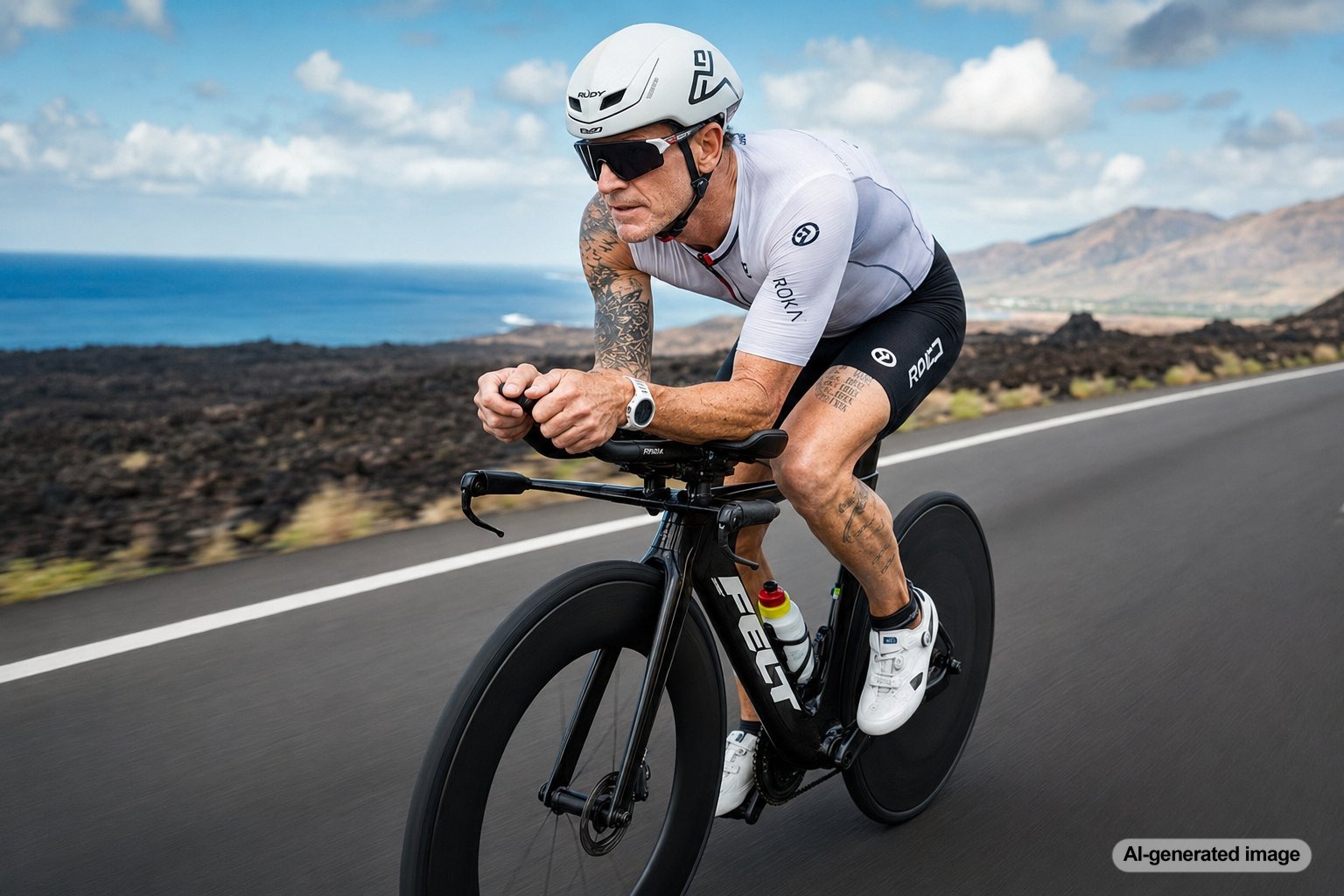
Increasing bike speed for long distance triathlons is not just about pushing harder. Over 56 or 112 miles, speed comes from efficiency, patience, position, fueling, and the discipline to ride in a way that still leaves you able to run. The athletes who improve the most are often not the ones chasing every surge. They are the ones who learn how to hold steady power, reduce wasted energy, and make smart decisions long before race day.
For endurance athletes, the bike is where small habits compound. A cleaner position, better cadence control, smoother gear choices, and more consistent nutrition can turn the same fitness into a faster split. That is a familiar lesson in Greg Schaefer’s world of endurance, leadership, and forward motion: progress is rarely built from one heroic moment. It is usually built from one repeatable step, then another.
To learn more about Greg’s story as an endurance athlete, entrepreneur, speaker, and Parkinson’s advocate, visit the About Greg page.
Quick answer: how do you get faster on the bike?
- Improve your aerodynamic position so you use less energy at the same speed.
- Train steady power instead of relying only on hard intervals or group rides.
- Ride with race-specific pacing so your bike split supports the run instead of destroying it.
- Practice fueling and hydration during long rides, not only on race week.
- Reduce avoidable friction through fit, maintenance, tire choice, and calm handling.
Bike speed starts with efficiency, not force
In long distance triathlon, the goal is not to produce the biggest possible effort for a short window. The goal is to move quickly while spending energy wisely. That difference matters. A rider who sits tall in the wind, spikes effort on every hill, forgets nutrition, and coasts mentally through technical sections may work very hard but still give away time.
Efficiency begins with asking a better question: how much speed can you create from the effort you already have? That question changes the way you train. Instead of measuring every ride by exhaustion, you start paying attention to repeatability. Can you hold the same effort late in the ride? Can you stay smooth into a headwind? Can you keep your position when fatigue arrives? Can you make the final hour look disciplined instead of desperate?
That is where long course racing rewards maturity. You are not only training your legs. You are training your judgment.
Refine your aero position without losing power
Aerodynamics matter because the faster you ride, the more wind resistance becomes part of the equation. But an aggressive position only helps if you can actually hold it. A position that looks fast for ten minutes but forces you to sit up every few miles is not a race-ready position.
Work with a qualified bike fitter when possible, especially if you are preparing for a half or full distance triathlon. A strong fit should help you balance comfort, breathing, power output, handling, and sustainability. For many athletes, the biggest gain is not becoming radically lower. It is becoming stable enough to stay aero for longer stretches without tight shoulders, locked hips, or a collapsing core.
Practice the position during real training rides. Do not save it for race day. Spend controlled blocks in aero on flat roads, mild rollers, and steady efforts. Notice when your form breaks down. If your neck tightens, your cadence drops, or your power becomes uneven, that is useful feedback. Speed comes from learning how to make the position durable.
Build steady power for race conditions
Long distance triathlon bike speed is built through a blend of aerobic endurance, sustained tempo work, controlled threshold efforts, and recovery. The exact training plan should match your history, goals, health, and available time, but the principle is simple: you need the ability to ride at a strong, controlled effort for a long time without burning through your run.
Many athletes overvalue the dramatic workout and undervalue the boring one. A steady endurance ride may not look exciting on paper, but it teaches your body to process effort for hours. A tempo block teaches control. A long ride with race-position practice teaches patience. Shorter intervals can raise your ceiling, but long course speed depends on how much of that ceiling you can use calmly and repeatedly.
The overlooked skill is keeping effort even. In training, practice avoiding sharp surges unless the workout calls for them. On hills, shift early and keep pressure controlled. In wind, resist the urge to fight every gust. On descents, stay alert and smooth. Every unnecessary spike has a cost, even if you do not feel it immediately.
Use pacing as a performance tool
The bike leg can tempt athletes into emotional decisions. Someone passes you. The road opens up. The crowd is loud. You feel strong early. Long distance racing punishes that impatience. A fast bike split only matters if it fits inside the whole race.
Good pacing should feel almost restrained at the start. Your goal is to ride the first portion with discipline, settle into your planned effort, and protect the run. This is especially important in Ironman-distance racing, where the consequences of overbiking often arrive much later than the mistake itself.
Use your tools, but do not become dependent on only one number. Power, heart rate, perceived effort, cadence, and environmental conditions all tell part of the story. Heat, wind, hills, road surface, and fatigue can change what a smart effort looks like. A mature athlete learns to read the day instead of forcing a perfect spreadsheet onto an imperfect course.
Fuel the bike like it is part of the race, not a break from it
Bike speed often fades because the engine runs out of usable energy. In long distance triathlon, fueling is not a side detail. It is part of performance. Your nutrition plan should be practiced repeatedly during long rides, race-pace blocks, and brick workouts so your stomach, timing, and habits are ready.
Do not wait until you feel empty to start fueling. By then, you may already be behind. Build a schedule that you can follow while riding in aero, handling bottles, staying aware of the road, and managing course conditions. Practice opening packets, reaching for bottles, and eating or drinking without disrupting your rhythm.
Hydration also deserves race-specific practice. Hot days, humid conditions, and long climbs can change your needs. What works in a cool training ride may not be enough on race day. The point is not to copy someone else’s exact plan. It is to test, refine, and arrive with a strategy your body already recognizes.
Improve cadence, shifting, and momentum
Free speed often hides in small technical habits. A rider who shifts late, grinds up every hill, brakes unnecessarily, or loses momentum through turns can waste energy without noticing. Long distance triathlon rewards smoothness.
Cadence is personal, but extremes can create problems. If you are grinding a heavy gear for hours, your legs may carry that fatigue into the run. If you spin without enough pressure, you may lose speed and stability. Practice finding a cadence range that feels controlled, sustainable, and efficient across different terrain.
Shifting should happen before the effort changes, not after you are already struggling. On rollers, shift early enough to keep pressure steady. Into turns, brake before the turn, hold a clean line, and return to speed smoothly. These are not flashy skills, but over a long course they protect rhythm. Rhythm protects speed.
Do not ignore equipment and maintenance
You do not need the most expensive setup to become a faster cyclist, but you do need a bike that fits, functions, and supports the demands of the race. A clean drivetrain, appropriate tires, reliable brakes, secure bottle placement, and a comfortable saddle can all affect performance. Small mechanical issues become big distractions when you are hours into a race.
Before race day, test the full setup you plan to use. Ride with the bottles, storage, nutrition, kit, helmet, and shoes you expect to race in. Make sure nothing rattles, rubs, slips, or forces you out of position. A race setup should feel familiar, not experimental.
For athletes working with limited budgets, prioritize fit, reliability, and consistency before chasing every marginal upgrade. The best equipment is the equipment you can ride confidently for the entire distance.
What many athletes miss
The fastest long distance bike split is not always produced by the hardest rider. It is often produced by the most disciplined rider. The athlete who stays aero, fuels early, holds steady effort, shifts smoothly, and refuses to chase every emotional moment may arrive at T2 with more left to give.
Train the bike-to-run connection
There is a difference between riding fast and racing well. Brick workouts help connect the bike to the run so you can understand what your pacing choices actually cost. A bike effort that feels impressive in isolation may feel very different when you start running on tired legs.
Use bricks to test your plan. After a steady ride, run easy and notice how your legs respond. After a race-pace block, practice settling into your first mile without panic. The goal is not always to crush the run in training. Sometimes the goal is to learn how your body behaves during the transition from power to patience.
This is where endurance sport becomes more than numbers. It teaches self-awareness under pressure. It teaches restraint when adrenaline is loud. It teaches the value of one more steady decision.
FAQ
How much faster can I get on the bike without buying a new bike?
Many athletes can improve by refining position, pacing, consistency, fueling, handling, and maintenance before making major equipment upgrades. A new bike may help some riders, but it cannot replace fitness, discipline, and a race-ready plan.
Should I focus more on power or aerodynamics?
Both matter. Power helps you produce the effort, while aerodynamics helps you turn that effort into speed. For long distance triathlon, the best approach is usually finding a position that is aerodynamic enough to be fast and comfortable enough to hold for the race.
Is it better to ride harder on hills and recover downhill?
Usually, long course athletes benefit from keeping effort controlled rather than spiking too aggressively on climbs. Some variation is unavoidable, but repeated surges can create fatigue that shows up later in the bike or during the run.
How often should I practice race fueling?
Practice fueling often enough that it becomes automatic. Long rides, race-pace sessions, and brick workouts are all useful opportunities to test timing, products, hydration, and stomach tolerance.
What is the biggest mistake athletes make on the bike?
One common mistake is riding the early miles with too much emotion. Feeling strong at the beginning is not the same as pacing well. Long distance triathlon rewards the athlete who can make smart decisions before fatigue forces them to.
Interested in bringing Greg’s message to your event or organization?
Learn more about Greg’s speaking work or get in touch to start the conversation.
Contact Greg or learn more about the Forward Motion Fund.
This article is for educational purposes only and is not medical advice. For diagnosis, treatment, or personalized medical guidance, please speak with a qualified healthcare professional.


