

What Ironman Athletes Know About Managing Energy On The Bike
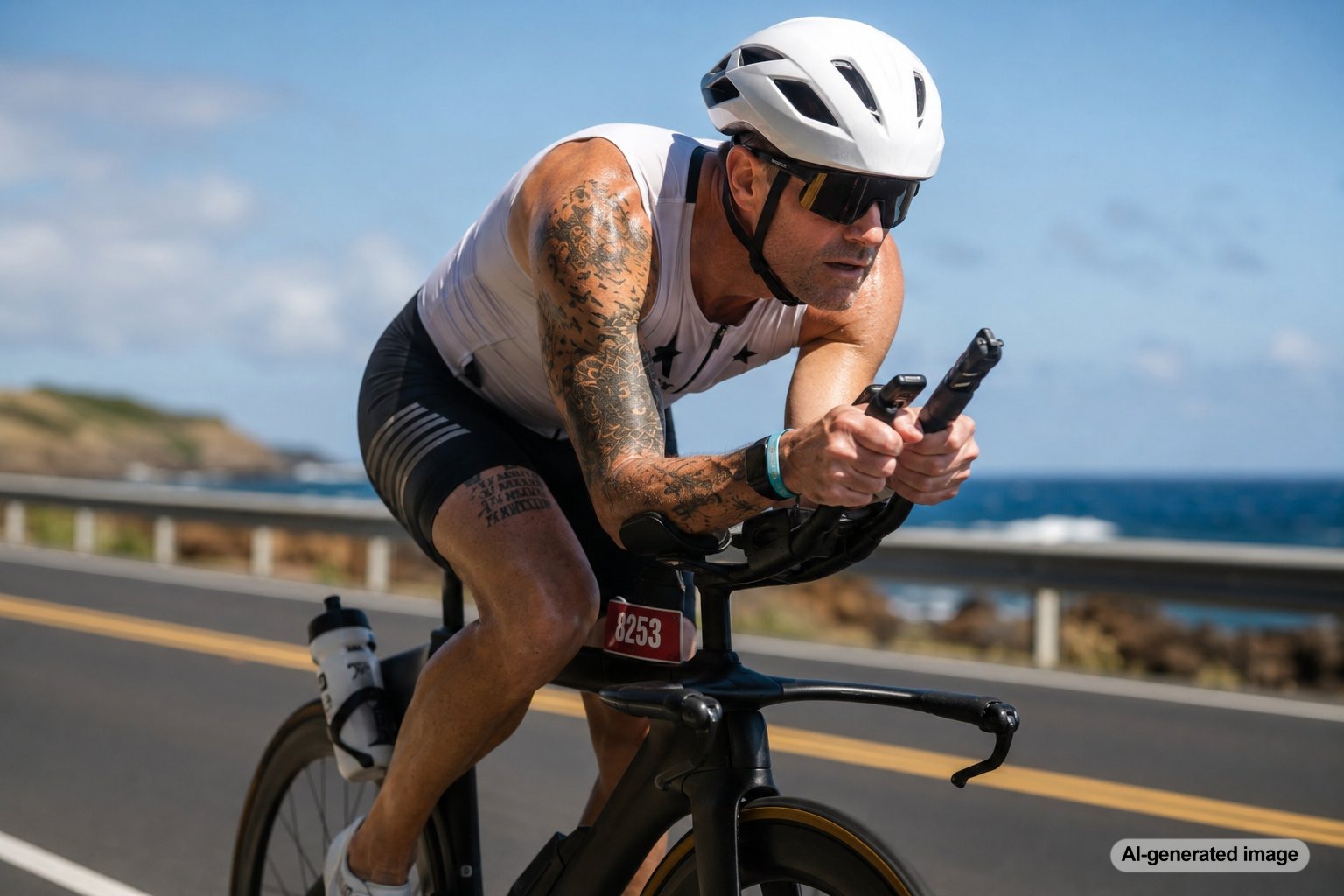
Strong Ironman bike performances are rarely built on one dramatic surge. They come from hundreds of controlled decisions about effort, posture, fueling, attention, and restraint. Experienced athletes understand that the bike leg is not an isolated race. It is the longest opportunity to protect or undermine everything that comes next.
Managing energy on the bike means riding with enough purpose to stay competitive while preserving the physical and mental resources needed for the run. It requires patience when others surge, discipline when excitement rises, and the ability to respond to changing conditions without abandoning the larger plan. Those lessons extend far beyond racing, which is part of what makes Greg’s work in speaking and leadership so connected to endurance sport.
Quick answer
- Ride according to sustainable effort, not early-race emotion.
- Fuel and hydrate before fatigue or hunger become obvious.
- Limit unnecessary surges, especially on climbs and into headwinds.
- Stay physically relaxed and mentally engaged.
- Judge the bike leg partly by how prepared you feel to begin the run.
The bike leg is an exercise in controlled ambition
The opening miles of an Ironman bike course can feel deceptively easy. Athletes are energized, crowds may still be nearby, and the legs often feel strong after leaving the water. That combination can make an unsustainable pace feel reasonable.
Experienced athletes know that early speed is expensive when it is powered by excitement instead of a plan. They allow the race to settle before making aggressive decisions. Rather than chasing every rider who passes, they focus on steady output, smooth breathing, and efficient movement.
This does not mean riding passively. It means directing ambition toward the entire race instead of spending it all in the first hour.
Consistency usually costs less than repeated surges
Every course includes moments that tempt athletes to spike their effort: a short climb, a rider ahead, a congested section, or a strong tailwind. Occasional changes are unavoidable, but repeated surges can quietly drain energy.
A disciplined cyclist keeps pressure on the pedals without turning every hill into a test. On climbs, that may mean shifting earlier and accepting a slower speed. Into a headwind, it may mean holding a controlled effort rather than fighting to maintain a target pace that conditions no longer support.
The distinction matters because speed is affected by terrain and weather, while effort reflects what the athlete is actually spending. Ironman athletes learn to manage the spending.
Fueling is part of pacing, not a separate task
Energy management is not only about how hard an athlete rides. It is also about maintaining the supply needed to keep riding and running. A thoughtful fueling plan is practiced in training, adjusted for conditions, and followed before the athlete feels depleted.
Waiting for obvious hunger or a major drop in energy can make recovery difficult. Experienced athletes use scheduled reminders, course landmarks, or repeated routines to stay consistent. They also choose foods and fluids they have already tested rather than introducing something unfamiliar on race day.
Hot weather, cold conditions, elevation, and course intensity can all affect what feels manageable. The goal is not perfection. The goal is a steady process that reduces preventable problems.
Relaxation preserves energy that tension wastes
Athletes can lose energy without increasing speed. Tight shoulders, clenched hands, unnecessary upper-body movement, and an uncomfortable riding position all create fatigue over a long day.
Ironman athletes often perform quick body checks while riding. They soften their grip, lower their shoulders, adjust their posture, and notice whether they are holding tension in the jaw or neck. These small resets can improve comfort and help an athlete remain focused.
Position matters as well. An aerodynamic posture can be useful, but only when it is sustainable and safely practiced. A position that produces discomfort, poor control, or constant shifting may carry a greater cost than expected.
Mental energy must be managed too
The bike leg can last for hours, which makes attention a limited resource. Constantly calculating finish times, reacting emotionally to competitors, or worrying about the run can create unnecessary mental fatigue.
Experienced athletes narrow their focus. They may concentrate on the next aid station, the next section of road, or the next fueling interval. Breaking the course into smaller pieces makes the effort more manageable and keeps the mind connected to useful actions.
This approach reflects a principle found throughout Greg’s story: forward motion is often built one manageable decision at a time. The broader mission behind that idea is reflected in the Forward Motion Fund.
The best bike split is not always the fastest possible bike split
An Ironman includes a marathon after the bike. That reality changes the definition of a successful ride. A cycling effort that looks impressive on its own may be poorly managed if it leaves the athlete unable to run effectively.
Experienced competitors think about the transition to the run long before they reach it. In the final part of the bike leg, they may check posture, maintain fueling, avoid reckless surges, and mentally prepare for the change in movement.
The bike should finish with fatigue, but not with complete depletion. The strongest athletes understand that restraint can be a competitive skill.
What athletes often miss
- Average speed does not tell the whole story. Wind, hills, road conditions, and course design can change speed without reflecting poor execution.
- Passing people early can create false confidence. The race rewards sustainable performance, not temporary position.
- Small mistakes accumulate. Missed fueling, repeated power spikes, and persistent tension may not feel costly at first.
- A plan still requires flexibility. Smart athletes adjust to weather, equipment issues, and how their bodies are responding.
- Patience is active. Holding back is not the absence of effort. It is effort directed toward the full objective.
Practical ways to practice energy management
Race-day discipline is easier when it has already become familiar in training. Athletes can rehearse steady pacing on long rides, practice climbing without excessive surges, and use the same fueling systems they expect to use in competition.
Brick workouts can also reveal whether the bike effort is leaving enough capacity for the run. The purpose is not to prove toughness every weekend. It is to notice how decisions made on the bike affect movement, concentration, and comfort afterward.
Post-workout reflection can be simple. Athletes might ask where they spent energy unnecessarily, when fueling became difficult, what caused tension, and whether their effort remained controlled when conditions changed.
Frequently asked questions
Should an Ironman athlete ride by speed, heart rate, power, or feel?
Many athletes use a combination. Speed is strongly affected by external conditions, while heart rate, power, and perceived effort can provide different information about internal and external workload. The best approach depends on the athlete’s experience, equipment, training, and guidance from a qualified coach.
Why is riding too hard early such a common mistake?
The beginning of the bike leg often feels easier than the later miles because the athlete is excited and not yet carrying accumulated fatigue. An effort that feels controlled early may become costly after several hours.
How can athletes stay focused during a long bike leg?
It can help to divide the ride into short segments organized around aid stations, course landmarks, posture checks, or fueling intervals. This keeps attention on immediate actions instead of the full remaining distance.
Does good energy management mean never pushing hard?
No. It means choosing when harder efforts are useful and keeping them within the context of the full race. Controlled increases may be appropriate, but repeated emotional surges often create avoidable fatigue.
What is the main sign that the bike leg was paced well?
No single sign tells the whole story, but a well-managed ride usually allows the athlete to begin the run with control, mental clarity, and enough remaining capacity to keep solving problems.
Interested in bringing Greg’s message to your event or organization?
Learn more about Greg’s speaking work or get in touch to start the conversation.
Contact Greg or learn more about the Forward Motion Fund.
This article is for educational purposes only and is not medical advice. For diagnosis, treatment, or personalized medical guidance, please speak with a qualified healthcare professional.


