
Why The Ironman Bike Leg Is A Lesson In Controlled Effort

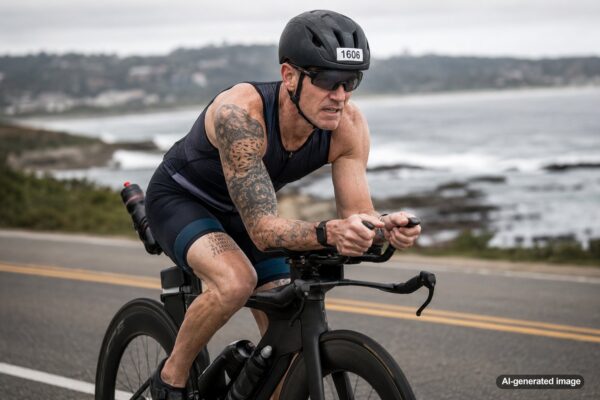
The Ironman bike leg is not won by proving how strong you feel in the first hour. It is managed by controlling what you do with that strength over the next several hours. Riders who treat the bike as an isolated race can create a spectacular early split and an unforgiving marathon. Riders who respect the full day make choices that may look conservative at first but become powerful later.
That is what makes the bike leg such a useful lesson in endurance, leadership, and life. Controlled effort is not timid effort. It is disciplined energy directed toward the outcome that matters most.
Quick answer
- The Ironman bike leg rewards steady execution more than emotional surges.
- A strong ride should preserve enough physical and mental capacity for the marathon.
- Controlled effort requires patience on climbs, restraint with speed, and consistent fueling.
- The best decision in the moment is not always the decision that feels most impressive.
- Real endurance means managing energy across the entire mission, not dominating one section of it.
The Bike Leg Is Part Of A Larger Equation
An Ironman is one continuous event, even though it is divided into three disciplines. The swim affects the bike. The bike affects the run. Decisions made early can continue collecting interest for hours.
This is especially important on the bike because it is the longest portion of the race for most athletes. There is enough time to feel exceptional, impatient, discouraged, powerful, bored, and vulnerable, sometimes within the same ride. Each emotional shift creates an opportunity to abandon the plan.
The disciplined athlete remembers that the objective is not simply to ride fast. The objective is to ride at an effort that supports the best complete race.
Controlled Effort Is Not The Same As Taking It Easy
Controlled effort can look deceptively calm from the outside. The athlete is still working. The pressure on the pedals is real. The focus is intense. The difference is that effort remains intentional instead of reactive.
Taking it easy suggests avoiding discomfort. Controlled effort means accepting the right discomfort while refusing unnecessary damage. It asks an athlete to stay committed without allowing adrenaline, pride, or competition to dictate every move.
This distinction matters far beyond racing. Leaders also face moments when activity can be confused with progress. A team can work at maximum intensity and still burn energy on the wrong priorities. A company can chase rapid growth while weakening the systems needed to sustain it. A person can say yes to every opportunity and discover that constant motion is not the same as forward motion.
The Early Miles Test Patience
The opening portion of the bike leg often feels easier than expected. The athlete is relieved to be out of the water, fueled by the race atmosphere, and surrounded by competitors moving with urgency. Fresh legs can make an unsustainable pace feel reasonable.
This is where patience becomes a performance skill. The temptation is not always to make one reckless move. More often, it is to ride slightly too hard for a long time. A few extra watts on every rise, repeated accelerations out of turns, or constant pressure to keep pace with another rider can gradually raise the cost of the day.
Controlled athletes allow other people to race their own race. They resist the need to answer every pass. They understand that being overtaken in the first half does not define the final result.
Climbs Reveal Whether The Plan Is Real
A pacing plan is easy to follow on smooth roads with favorable conditions. Its value becomes clear when the course tilts upward.
Climbs invite athletes to push beyond the effort they can sustain. The speed drops, other riders stand on the pedals, and the mind interprets slower movement as failure. That emotional response can turn a manageable hill into an expensive surge.
A controlled rider accepts temporary slowness. The goal is not to preserve a particular speed on every section of road. The goal is to preserve the appropriate effort. This may mean shifting earlier, remaining seated, allowing speed to fall, and reaching the top without creating a recovery problem.
The lesson is simple but demanding: conditions may change the pace, but they do not have to change the discipline.
Fueling Is Part Of Pacing
Controlled effort is not only about how hard an athlete pedals. It also includes the consistency of eating, drinking, and paying attention.
Nutrition mistakes often begin quietly. An athlete delays a bottle because the road is technical, skips calories while climbing, or waits until hunger becomes obvious. The consequences may not appear immediately, which makes it easy to underestimate the importance of the routine.
A strong bike strategy creates space for fueling before the athlete feels desperate. It treats nutrition as part of execution rather than an interruption to speed. The same principle applies to leadership and personal performance. Maintenance is easier than rescue. Small, repeated actions often protect the mission better than dramatic corrections.
The Middle Miles Demand Emotional Discipline
The middle of the bike leg rarely receives the same attention as the start or finish, yet it may be the most revealing section. The excitement has faded. The finish still feels distant. The athlete must continue making sound decisions without the benefit of novelty.
This is where discipline becomes less visible and more valuable. Controlled effort means holding form when nobody is cheering, maintaining the fueling schedule when it feels repetitive, and staying mentally present instead of calculating every possible outcome.
Many meaningful goals contain this kind of middle. Building a business, supporting a family, managing adversity, and preparing for a major event all involve long periods when progress is real but not dramatic. The ability to remain steady in those periods is often what separates an inspiring start from a completed mission.
What Athletes Often Get Wrong
- They mistake excitement for readiness. Feeling strong early does not mean the current pace will remain sustainable.
- They react to other athletes. Matching someone else’s effort can pull a rider away from an individual plan.
- They chase speed on every section. Wind, terrain, and road conditions can change speed even when effort remains appropriate.
- They treat fueling as optional. Delayed nutrition can create problems that are difficult to reverse late in the race.
- They forget the marathon. A bike split only tells part of the story. The quality of the ride is also revealed by what remains afterward.
Controlled Effort Creates Options
An athlete who rides beyond the plan may feel powerful for a while, but that choice narrows the range of possible outcomes. Fatigue begins making decisions. Form deteriorates. Nutrition becomes harder to tolerate. The marathon turns from a race into a negotiation.
Controlled effort preserves options. It gives the athlete a better chance to respond to heat, wind, mechanical trouble, unexpected fatigue, or a difficult final hour. It also creates the possibility of increasing effort later rather than spending the entire race trying to recover from an aggressive beginning.
This principle matters in business leadership as well. Good leaders do not consume every available resource simply because it is available. They preserve financial, operational, and emotional capacity for the problems they cannot predict. Restraint can be a form of readiness.
The Final Miles Reward Restraint
Near the end of the ride, athletes begin thinking about transition and the marathon ahead. This is not the time to prove that energy remains by attacking every final mile. It is a time to prepare the body and mind for the next demand.
A well-managed ride often leaves an athlete feeling as though more could have been given. That feeling can be unsettling because endurance culture sometimes celebrates total depletion. In an Ironman, however, reaching the bike finish completely emptied is not evidence of perfect execution. It may be evidence that the effort was spent too soon.
The successful transition is not from cycling to survival. It is from one controlled discipline to another.
The Bottom Line
The Ironman bike leg teaches that strength is not only the ability to produce effort. It is the ability to regulate effort in service of a larger goal. Patience, fueling, restraint, attention, and emotional control may not create the most dramatic early miles, but they create the foundation for a stronger finish.
Controlled effort does not ask an athlete to hold back from the mission. It asks the athlete to give the mission exactly what it needs, for as long as it takes.
Frequently Asked Questions
Why is pacing so important during the Ironman bike leg?
The bike leg is long enough for small pacing errors to accumulate. Riding above a sustainable effort can increase fatigue and reduce the energy available for the marathon.
Does controlled effort mean riding slowly?
No. It means riding at an effort that matches the athlete’s preparation, conditions, race plan, and goal for the entire event. A controlled pace can still be strong and competitive.
Should an athlete respond when another rider passes?
Usually, the better response is to remain committed to an individual plan rather than reacting automatically. Another athlete may have different abilities, goals, or pacing needs.
How do hills affect Ironman bike pacing?
Hills can tempt athletes to increase effort sharply in order to maintain speed. A disciplined approach allows speed to change while keeping effort within a manageable range.
What is the broader lesson of the Ironman bike leg?
The broader lesson is that sustainable performance depends on directing energy wisely. Success often comes from consistency, patience, and the willingness to protect the larger objective.
Interested in bringing Greg’s message to your event or organization?
Learn more about Greg’s speaking work or get in touch to start the conversation.
Contact Greg or learn more about the Forward Motion Fund.
This article is for educational purposes only and is not medical advice. For diagnosis, treatment, or personalized medical guidance, please speak with a qualified healthcare professional.