

What Ironman Recovery Teaches You About Longevity
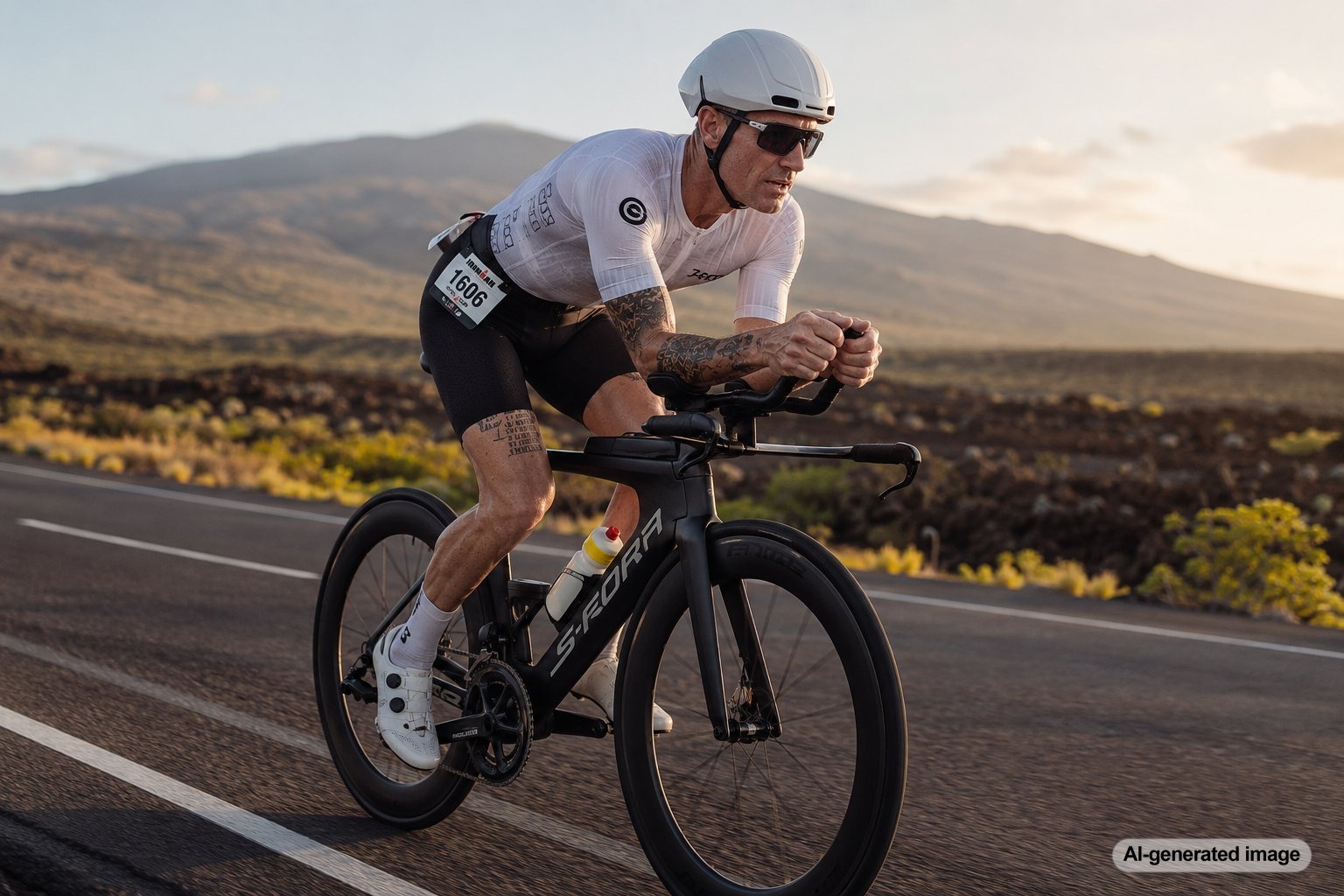
Ironman recovery has a way of telling the truth. After the finish line, the body does not care about bravado, ego, or how good the race photo looked. It asks for sleep, food, patience, movement, and humility. That is part of what makes endurance sports such a powerful teacher for longevity.
For Greg Schaefer, a 19-time Ironman, dad, husband, entrepreneur, speaker, and Parkinson’s advocate, recovery is not only about getting back to training. It is about learning how to keep living with purpose after hard things. That perspective also shapes the message behind Greg’s speaking work: progress is not always dramatic, but forward motion still counts.
Quick answer
- Ironman recovery teaches that longevity depends on rhythm, not constant intensity.
- Real recovery includes physical repair, mental reset, emotional honesty, and smart pacing.
- The strongest athletes are often the ones who know when to back off, listen, and rebuild.
- Longevity is not about avoiding strain forever. It is about learning how to absorb strain, adapt, and return wisely.
- The same lesson applies beyond sport: One more step matters most when it is taken with patience and purpose.
Recovery reframes strength
In endurance culture, strength is often associated with pushing through. There is truth in that. Ironman demands commitment through long training blocks, early mornings, difficult weather, and miles that do not always feel inspiring. But recovery reveals another side of strength. It shows that discipline is not only the ability to keep going. It is also the ability to stop before damage becomes identity.
After a major endurance event, the body needs time to recalibrate. Muscles are tired. Sleep matters more. Appetite may shift. Motivation can rise and fall. The athlete who ignores those signals may look committed in the short term, but the athlete who respects them is often building the foundation to return stronger.
That is a longevity lesson. A long life of movement, leadership, family, service, and contribution cannot be built on constant depletion. It requires the humility to ask, “What does this season require from me now?”
Longevity is built in cycles, not streaks
Ironman training can make people fall in love with streaks: consecutive days, weekly mileage, repeated workouts, and measurable progress. Those numbers can be motivating, but they are not the whole story. Long-term performance depends on cycles. Stress, recovery, adaptation, repeat.
The same pattern appears in business, family life, advocacy, and personal growth. There are seasons to build, seasons to compete, seasons to recover, and seasons to reassess. Problems often begin when someone treats every season like race day.
Longevity asks a different question: Can you keep showing up without burning through the very life you are trying to strengthen?
What Ironman recovery teaches about the long game
Recovery after an Ironman is not passive. It is active stewardship. It may look quieter than a finish line, but it still requires attention. The lessons below apply to athletes, leaders, teams, and anyone trying to keep moving through a demanding life.
1. Listen before you push
One overlooked skill in endurance is listening. Not every ache is a crisis, and not every hard day means something is wrong. Still, the body is always sending information. Recovery teaches you to notice patterns before they become setbacks.
In life and leadership, the same principle applies. Fatigue, irritability, poor focus, emotional numbness, and constant urgency can be signals. Ignoring them does not prove toughness. Paying attention gives you more options.
2. Make rest part of the plan
Rest works best when it is not treated as a reward for collapse. Athletes who recover well usually build rest into the process. That might mean easier movement, better sleep habits, nutrition, time away from intensity, or simply letting the nervous system settle.
For leaders and high performers, this can feel uncomfortable. Many people know how to chase goals, but fewer know how to recover from chasing them. Longevity requires making restoration normal, not embarrassing.
3. Respect the emotional comedown
After a major race, there can be a strange quiet. The goal that shaped months of training is suddenly behind you. The body is tired, the calendar is lighter, and the mind may not know what to do with the empty space.
That emotional comedown is not weakness. It is part of transition. Recovery gives people room to process what happened, what it cost, what it taught them, and what comes next. This matters far beyond endurance sports. Any major effort, a company sale, a diagnosis, a career change, a caregiving season, a family challenge, can leave a person needing time to reorient.
4. Return with patience, not panic
One of the hardest parts of recovery is trusting that fitness, identity, and purpose do not disappear just because you take a lighter week. The impulse to rush back is understandable. But rushing can turn recovery into another test of ego.
Longevity depends on patience. The goal is not to prove that nothing affected you. The goal is to integrate the experience and return with wisdom.
What people often miss about recovery
Recovery is not only for people who are injured, exhausted, or aging. It is for anyone who wants to stay in the arena long enough to do meaningful work. That includes athletes, parents, founders, executives, advocates, and caregivers.
- Recovery is not quitting. It is part of sustainable effort.
- Recovery is not laziness. It can require as much discipline as training.
- Recovery is not only physical. Mental and emotional recovery matter too.
- Recovery is not one-size-fits-all. The right rhythm can change with age, stress, health, family demands, and season of life.
This is where endurance sports become a practical metaphor rather than a motivational slogan. The finish line matters, but the life after the finish line matters more.
The connection between recovery and resilience
Resilience is sometimes misunderstood as the ability to take endless hits without changing. Real resilience is more adaptive than that. It is the ability to respond, learn, adjust, and continue with greater awareness.
Greg’s story sits at that intersection. His platform is shaped by business leadership, family, endurance racing, Parkinson’s advocacy, and the decision to keep moving after a life-changing diagnosis. That does not make recovery simple. It makes it honest. Forward motion does not mean pretending the hard thing is not hard. It means finding the next faithful step anyway.
The Forward Motion Fund carries that same spirit into mission-aligned work, supporting causes connected to Parkinson’s research, partner and caregiver support, challenged athletes, and youth and education initiatives.
Practical takeaways for everyday longevity
You do not need to race an Ironman to learn from Ironman recovery. The principles can apply to ordinary weeks, demanding projects, personal adversity, and long-term health goals.
- Build margin before you need it. Do not wait until total exhaustion to create space.
- Track patterns, not just performance. Energy, mood, sleep, and consistency all tell a story.
- Let easier days have a purpose. A lighter day can support tomorrow’s strength.
- Keep identity bigger than output. You are not only your race time, job title, diagnosis, role, or hardest season.
- Choose the next step wisely. Sometimes forward motion is a run. Sometimes it is rest. Sometimes it is asking for support.
FAQ
Does Ironman recovery really teach lessons about longevity?
Yes, because endurance recovery highlights the habits that help people stay active and engaged over time: patience, pacing, rest, adaptation, and respect for limits. Those lessons translate well beyond racing.
Is recovery only important after a race?
No. Recovery matters during training, after major work seasons, during emotional stress, and throughout demanding chapters of life. Waiting until exhaustion arrives usually makes recovery harder.
What is the biggest mistake people make after a major effort?
A common mistake is rushing back too quickly because rest feels uncomfortable. Recovery can feel like losing momentum, but when done well, it protects the ability to keep moving over the long term.
How does this connect to resilience?
Resilience is not constant intensity. It is the ability to keep returning with wisdom. Recovery helps turn hard effort into growth instead of burnout.
The bottom line
Ironman recovery teaches that longevity is not built by pretending we are limitless. It is built by learning how to move through limits with intelligence, humility, and purpose. The finish line is meaningful, but the deeper lesson is what happens afterward: how you care for the body, steady the mind, reconnect with what matters, and take the next step.
That is the heart of forward motion. Not perfection. Not performance at any cost. One more step, taken with intention.
Interested in bringing Greg’s message to your event or organization?
Learn more about Greg’s speaking work or get in touch to start the conversation.
Contact Greg or learn more about the Forward Motion Fund.
This article is for educational purposes only and is not medical advice. For diagnosis, treatment, or personalized medical guidance, please speak with a qualified healthcare professional.


