
How To Keep Moving Forward After A Life Changing Diagnosis

A life changing diagnosis can divide time into a before and an after. One day, life has a familiar rhythm. The next, everything feels filtered through new questions: What changes now? What stays possible? How do I tell the people I love? How do I keep moving when I do not yet know what the road ahead will look like?
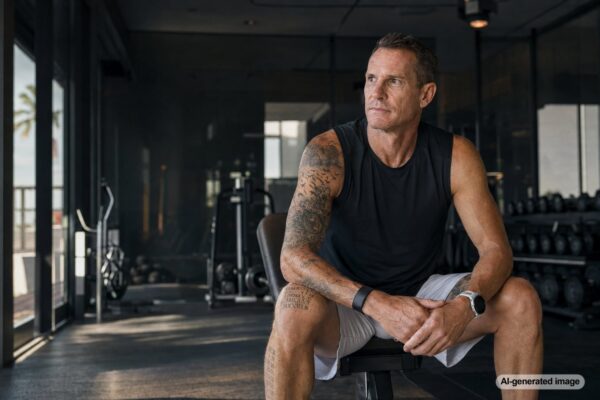
Moving forward does not mean pretending the diagnosis is small. It does not mean skipping grief, fear, anger, uncertainty, or exhaustion. It means learning how to take the next honest step while allowing your life to remain bigger than the condition you are facing. For Greg Schaefer, a dad, husband, CEO, endurance athlete, speaker, and advocate living with Young-Onset Parkinson’s, that idea has become more than a phrase. It is a practice: one more step, just one more.
Quick answer: how do you keep moving forward?
- Give yourself room to absorb the diagnosis. You do not have to become strong on command.
- Separate the diagnosis from your identity. It may shape your life, but it does not own the whole story.
- Build a support system early. Family, friends, clinicians, peers, and community can all play different roles.
- Focus on the next practical step. Progress often becomes more manageable when it is broken into smaller decisions.
- Let purpose return gradually. Meaning may come through family, work, advocacy, movement, service, or simply showing up again.
First, let the diagnosis be real
One of the hardest parts of a life changing diagnosis is the pressure to know immediately who you are going to become. People may offer encouragement with good intentions. They may call you brave before you feel brave. They may want the comeback story before you have even had time to understand the first chapter.
There is no single correct emotional response. Some people feel shock. Some feel relief after months or years of unexplained symptoms. Some feel numb. Some move quickly into problem-solving because action feels safer than stillness. Others need time before they can even speak clearly about what has happened.
Allowing the diagnosis to be real is not the same as surrendering to it. It is a way of telling the truth. A real foundation matters because denial can be exhausting. So can pretending that everything is fine when your body, mind, family, schedule, and plans may all need care and adjustment.
Do not reduce your whole life to one medical word
A diagnosis can become loud. It can show up in appointments, paperwork, conversations, symptoms, insurance decisions, family logistics, and private thoughts at 2 a.m. But even when it changes daily life, it is still not the whole person.
Greg’s story is not only about Parkinson’s. It is also about being a husband and father. It is about building and leading a Manhattan insurance agency before selling the company in 2019. It is about endurance sports, including 20 Ironman finishes. It is about uncertainty, pain, returning to the start line, and using lived experience to serve others through speaking and the Forward Motion Fund.
That balance matters for anyone facing a diagnosis. You may need to learn new medical language. You may need to change routines. You may need support you did not need before. But you are still more than a patient, more than a chart, and more than a condition. You are still a parent, partner, friend, leader, teammate, creator, athlete, neighbor, mentor, or whatever roles have shaped your life.
Build support before you think you need it
Many people wait too long to ask for help because they do not want to feel like a burden. Others are unsure what kind of help to ask for. Support does not have to mean dramatic intervention. Often, it begins with simple clarity.
One person might help with transportation to appointments. Another might be the friend who can listen without trying to fix everything. A spouse or partner may need support too, because a life changing diagnosis often changes the emotional weather for the whole household. A clinician can help evaluate symptoms and treatment questions. A peer community can reduce the loneliness that comes from feeling like nobody else understands the details.
It can help to think of support in categories: medical support, emotional support, logistical support, movement or wellness support, and purpose-driven support. No single person has to carry all of it. In fact, a healthier support system usually spreads the weight across several trusted people and resources.
Make the next step small enough to take
After a diagnosis, the future can feel too large to hold. People may begin asking long-range questions before the present is steady: What will life look like in five years? Will I keep working? Will I still race, travel, lead, parent, or speak? Those questions are understandable, but they can become overwhelming when everything is new.
Sometimes the most useful question is smaller: What is the next right step today? That might mean scheduling one appointment, writing down questions for a clinician, taking a walk, telling one trusted person, organizing medication information, resting without guilt, or making one decision that restores a sense of agency.
Small steps are not small because they are easy. They are small because they are possible. In endurance sports, progress is rarely made by thinking about the entire course at once. It is made by reaching the next mile marker, the next aid station, the next breath, the next stride. Life after diagnosis can require the same discipline, especially on days when motivation is nowhere to be found.
Let movement mean more than exercise
For Greg, endurance sports are part of the story, but moving forward is not limited to racing or training. Movement can be physical, emotional, relational, spiritual, professional, or mission-driven. For one person, movement may mean returning to a favorite activity. For another, it may mean accepting a new limit without shame. For someone else, it may mean changing the way they lead, communicate, or spend time with family.
This distinction is important because not every person with a diagnosis can or should respond the same way. Parkinson’s and other conditions can vary widely from person to person. Symptoms, energy, progression, treatment options, and daily capacity are not identical. The goal is not to copy someone else’s path. The goal is to find an honest rhythm that helps you remain engaged with life.
Moving forward might look quiet. It might look like asking better questions. It might look like creating a new morning routine, finding a support group, adjusting expectations, returning to work with a different perspective, or choosing a mission that gives pain somewhere meaningful to go.
Watch for the hidden losses
A life changing diagnosis is not only about physical symptoms or medical decisions. It can also affect identity, confidence, privacy, independence, plans, relationships, and the way a person imagines the future. These losses can be hard to name because they are not always visible from the outside.
Someone may grieve the body they trusted. A leader may wonder whether others will see them differently. An athlete may question whether the start line still belongs to them. A parent may carry private fear about how much to share with children. A spouse may be strong in public and scared in private.
Naming those hidden losses can be part of healing. It gives people permission to be honest without giving up hope. It also allows support to become more specific. Instead of saying, “I am fine,” a person might say, “I am struggling with uncertainty,” or “I need help understanding what changes now,” or “I do not need advice today, but I do need company.”
Turn resilience into a practice, not a performance
Resilience is often misunderstood. It is not constant positivity. It is not pretending fear has disappeared. It is not being inspiring every time someone asks how you are doing. Real resilience is quieter and sturdier than that.
Resilience may look like continuing to show up for your family while also admitting you are tired. It may look like returning to a routine after a difficult week. It may look like making room for treatment, rest, work, advocacy, and joy without demanding perfection from yourself. It may look like choosing not to let one diagnosis become the only story people know about you.
What people often miss
Moving forward after a diagnosis is not a single brave decision. It is a series of smaller choices made again and again. Some days those choices feel powerful. Other days they feel ordinary. Both count.
Let purpose grow from what is true
Purpose after diagnosis cannot be forced. It often grows slowly from the honest places: what you love, what you have lost, what you still want to protect, and who you want to help. For Greg, forward motion became connected to family, endurance, advocacy, speaking, and mission-driven impact. That does not mean every person needs to start a fund, give speeches, or race an Ironman. It means pain can sometimes become connected to service when the time is right.
Purpose might be sharing your story with one person who feels alone. It might be becoming more present with your family. It might be supporting research, volunteering, mentoring, leading with more empathy, or simply refusing to let fear make every decision.
There is dignity in all of those paths. The important thing is that purpose remains human, not performative. It should not require you to be strong every day. It should give you a reason to keep taking the next step, even when the step is small.
FAQ
How long does it take to adjust to a life changing diagnosis?
There is no universal timeline. Adjustment can happen in waves, especially as symptoms, routines, emotions, and family conversations evolve. Many people benefit from trusted medical guidance, emotional support, and practical planning over time.
Does moving forward mean staying positive all the time?
No. Moving forward can include grief, frustration, fear, and uncertainty. A grounded approach to resilience allows room for honest emotion while still looking for the next constructive step.
How can family members help after a diagnosis?
Family members can help by listening without rushing to fix, asking what kind of support is actually useful, learning about the condition from credible sources, and remembering that caregivers and partners may need care too.
What if I do not feel ready to talk publicly about my diagnosis?
That is valid. Some people share openly. Others keep the circle small. Privacy, timing, and boundaries matter. The right pace depends on your situation, relationships, work, health, and emotional readiness.
Can a diagnosis lead to a new sense of purpose?
It can, but it does not have to happen immediately. Purpose often develops through lived experience, reflection, support, and connection. It should feel honest rather than pressured.
Interested in bringing Greg’s message to your event or organization?
Learn more about Greg’s speaking work or get in touch to start the conversation.
Contact Greg or learn more about the Forward Motion Fund.
This article is for educational purposes only and is not medical advice. For diagnosis, treatment, or personalized medical guidance, please speak with a qualified healthcare professional.