
What Parkinson’s Awareness Should Actually Look Like
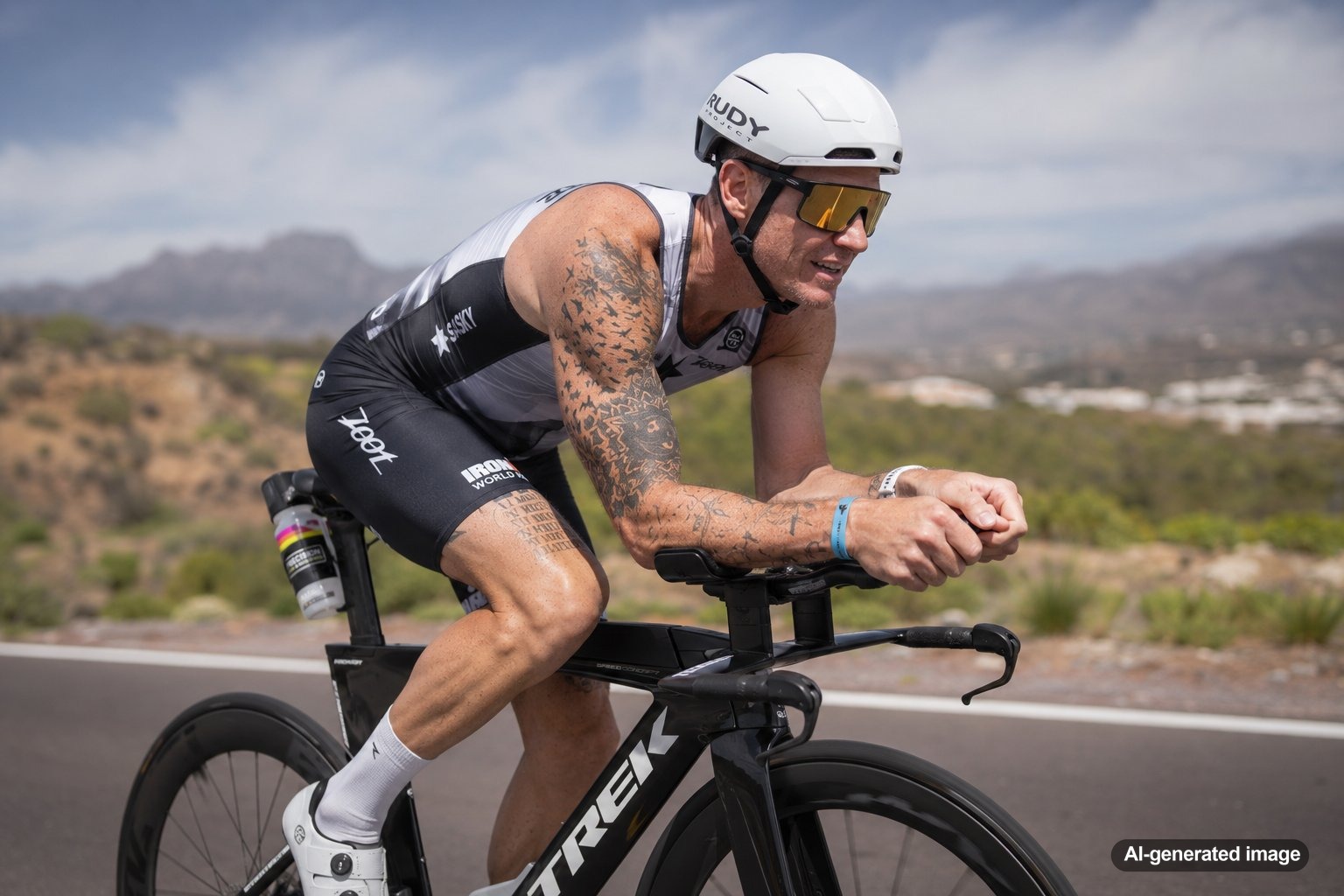
Parkinson’s awareness should be more than a month on the calendar, a social media graphic, or a well-meaning slogan. Real awareness helps people understand the disease more clearly, recognize the human experience behind it, and take useful action that supports people living with Parkinson’s and the families moving beside them.
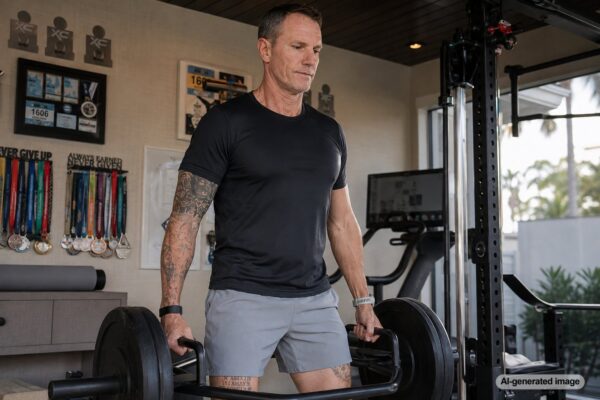
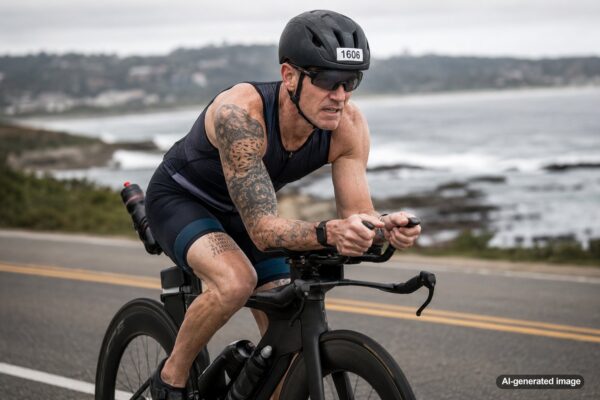
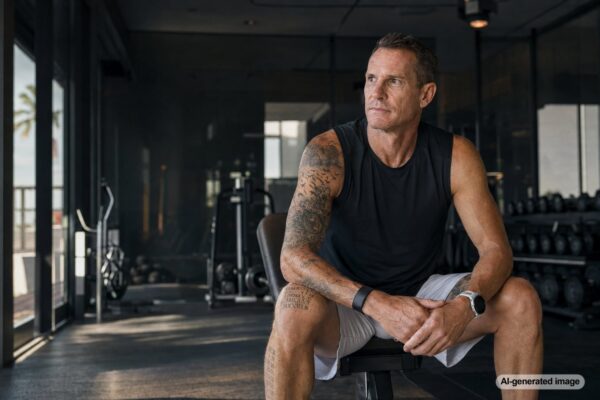
For Greg Schaefer, that kind of awareness is personal, but it is not one-dimensional. His work as a dad, husband, CEO, endurance athlete, speaker, and Parkinson’s advocate lives at the intersection of real life and forward motion. That is also why the conversation should be bigger than diagnosis alone. To learn more about the larger mission behind his work, visit the Forward Motion Fund.
Quick answer: what Parkinson’s awareness should actually look like
- It should educate without oversimplifying. Parkinson’s can include movement and non-movement symptoms, and each person’s experience can vary widely.
- It should make room for Young-Onset Parkinson’s. Not everyone diagnosed with Parkinson’s fits the public stereotype of age, ability, or appearance.
- It should support care partners and families. The diagnosis affects more than one person, even when one person carries the symptoms.
- It should turn attention into action. Research, community programs, practical support, and meaningful advocacy all matter.
- It should protect dignity. Awareness should never reduce a person to a disease, a symbol, or an inspirational headline.
Awareness should start with better understanding
One of the biggest mistakes in Parkinson’s awareness is treating the disease as if it looks the same for everyone. Many people recognize tremor, stiffness, slowness, or balance challenges, but Parkinson’s can also involve sleep changes, mood changes, cognitive changes, pain, fatigue, and other non-movement symptoms. Some symptoms are visible. Others are not.
That distinction matters because shallow awareness can accidentally leave people feeling misunderstood. Someone may look strong in one moment and struggle deeply in another. Someone may be training, working, parenting, leading, or speaking publicly while also managing symptoms that are not obvious from the outside. Better awareness creates more room for that complexity.
It also avoids turning Parkinson’s into either a tragedy story or a superhero story. Both can flatten the truth. A more honest awareness says: this is hard, people are adapting, support matters, and life does not end at diagnosis.
Awareness should include Young-Onset Parkinson’s
Young-Onset Parkinson’s challenges the assumptions many people carry about who Parkinson’s affects. When someone is diagnosed while still building a career, raising children, running a business, training for endurance events, or leading a team, the impact can show up in very specific ways. It can affect identity, family rhythms, work decisions, planning, confidence, and the way a person thinks about the future.
That is part of why Greg’s story reaches beyond a medical category. Being diagnosed in 2023 at age 48 did not erase the rest of his life. It added a new reality to a life already shaped by family, leadership, endurance, discipline, and service. Real awareness should make space for that whole picture.
For event planners, teams, and organizations, this is also where the message becomes powerful. Parkinson’s awareness is not only about one disease. It opens the door to conversations about uncertainty, resilience, leadership under pressure, and what people do when life changes without asking permission. Learn more about Greg’s work with organizations on the Speaking page.
Awareness should support care partners, not just patients
Parkinson’s awareness often focuses on the person diagnosed, and that focus is understandable. But Parkinson’s also changes life for spouses, partners, children, friends, colleagues, and caregivers. Support systems carry logistics, emotional weight, schedule changes, uncertainty, encouragement, and sometimes quiet fear that they do not always say out loud.
A stronger awareness culture asks better questions. Who is helping the helper? Who is checking on the spouse after the appointment? Who is making sure the family has support, information, and room to process? Who is creating community around the person living with Parkinson’s instead of placing every burden on the household?
Care partner support is not a side issue. It is part of the real story. When awareness includes families and support systems, it becomes more useful, more humane, and more honest.
Awareness should turn sympathy into useful action
Feeling moved by a story is a beginning, not an endpoint. Useful awareness asks what comes next. That may mean learning from credible Parkinson’s organizations, supporting research, helping fund community programs, volunteering, checking in on a family, inviting a speaker who can open a deeper conversation, or making room for people whose symptoms are not always visible.
Action does not have to be dramatic to matter. A workplace can become more thoughtful. A friend can become more patient. A donor can support mission-aligned organizations. A team can learn how to talk about adversity without turning it into a slogan. A community can show up consistently, not only when awareness is trending.
What people often miss
Awareness is not only about recognition. It is about response. The goal is not simply that more people have heard of Parkinson’s. The goal is that more people understand it with enough care, humility, and clarity to support the people living with it.
Awareness should protect dignity
There is a difference between telling a meaningful story and using someone’s disease as inspiration content. Parkinson’s awareness should never make a person feel like a prop, a lesson, or a symbol. It should respect privacy, complexity, frustration, courage, and ordinary life.
That means choosing language carefully. Avoid pity. Avoid declaring victory over a condition that requires ongoing management. Avoid assuming that movement, exercise, attitude, or grit can make every hard part disappear. Hope is strongest when it tells the truth.
Greg’s core message, One More Step… Just One More, works because it is grounded. It does not pretend the road is easy. It points to the next act of forward motion when the whole path feels too big to carry at once.
Awareness should connect education, resilience, and mission
The best Parkinson’s awareness brings multiple layers together. It respects medical reality. It honors lived experience. It includes care partners. It supports research and community programs. It reminds people that identity is bigger than diagnosis. It helps leaders, teams, families, and communities think more clearly about how to respond when life changes.
That is the space Greg’s platform occupies. It is not only about Parkinson’s. It is not only about endurance sports. It is not only about motivational speaking. It is about what happens when business leadership, family commitment, athletic discipline, advocacy, and mission-driven action meet real adversity.
FAQ
What is the biggest misunderstanding about Parkinson’s awareness?
One major misunderstanding is that awareness means simply knowing Parkinson’s exists. A deeper version of awareness includes education, empathy, support, research, care partner needs, and the wide range of ways Parkinson’s can affect daily life.
Why does Young-Onset Parkinson’s need more attention?
Young-Onset Parkinson’s can affect people who are still deeply active in work, family, leadership, parenting, and athletic life. That creates practical and emotional challenges that may differ from the assumptions many people have about Parkinson’s.
How can someone support Parkinson’s awareness in a meaningful way?
Start by learning from credible organizations, listening to people with lived experience, supporting care partners, contributing to research or community programs when possible, and avoiding language that turns people into stereotypes or inspiration objects.
Why does Greg connect Parkinson’s awareness with forward motion?
Forward motion reflects a grounded response to adversity. It does not deny the difficulty of Parkinson’s. It focuses on the next step, the next decision, the next act of purpose, and the community that helps make those steps possible.
Interested in bringing Greg’s message to your event or organization?
Learn more about Greg’s speaking work or get in touch to start the conversation.
Contact Greg or learn more about the Forward Motion Fund.
This article is for educational purposes only and is not medical advice. For diagnosis, treatment, or personalized medical guidance, please speak with a qualified healthcare professional.