
What A Long Training Ride Teaches You About Commitment
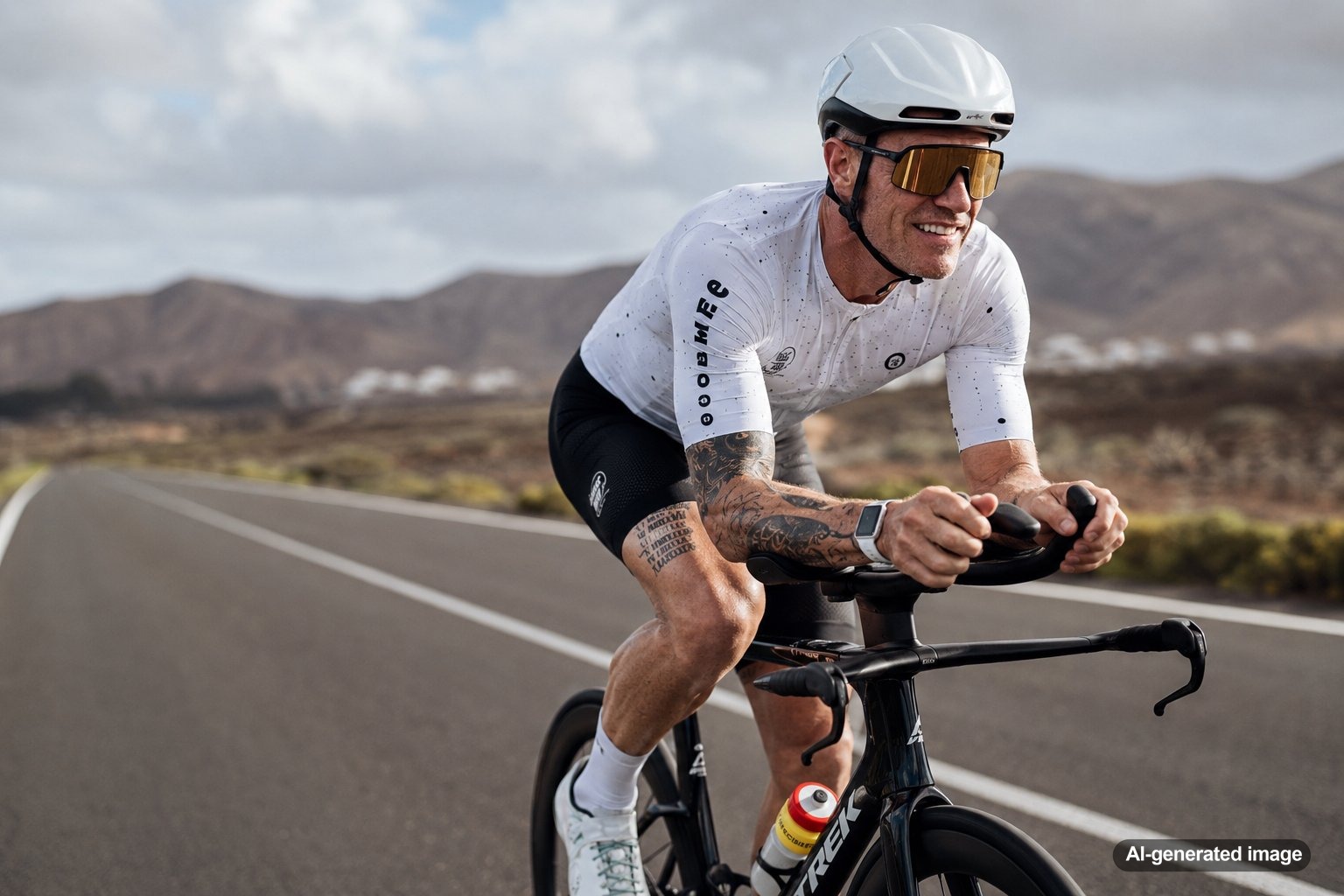
A long training ride has a way of telling the truth. It strips away the polished version of commitment and replaces it with something quieter, harder, and more useful. Commitment is not only what you say before the ride starts. It is what remains after the first hour feels good, the middle miles get repetitive, and the final stretch asks for more patience than speed.
For endurance athletes, leaders, entrepreneurs, and anyone trying to keep moving through a difficult season, the lesson is similar: commitment is not a burst of energy. It is a relationship with discomfort, repetition, purpose, and follow-through. That is part of what makes Greg Schaefer’s story resonate beyond the finish line. His work as a speaker, athlete, entrepreneur, family man, and advocate is rooted in the same idea: forward motion is often built one decision at a time. Learn more about Greg’s story on the About Greg page.
Quick answer: what a long training ride teaches about commitment
- Commitment is proven in the middle. The hardest part is often not starting or finishing, but staying engaged when the excitement fades.
- Pacing matters. Lasting commitment requires rhythm, restraint, and the humility to manage your energy wisely.
- Small choices compound. Hydration, focus, patience, and steady effort are rarely dramatic, but they shape the outcome.
- Purpose keeps you honest. A meaningful reason to continue can carry you through moments when motivation is thin.
- Resilience is practical. It shows up in preparation, adaptation, and the next good decision.
The real test usually happens after the beginning
Starting can feel powerful. There is structure, anticipation, and a clean sense of intention. The bike is ready. The route is planned. The goal sounds clear. Early miles often reward you with momentum.
Then the ride stretches out. The scenery repeats. The legs get honest. The mind starts negotiating. That is where commitment becomes less like inspiration and more like a craft. You learn to stay present without needing every moment to feel exciting. You learn that the middle miles count, even when nobody sees them.
This is true far beyond training. In business, the middle is where vision becomes process. In family life, it is where love becomes consistency. In advocacy, it is where a mission becomes service. In personal adversity, it is where the decision to keep going becomes daily, practical, and real.
Commitment is not the same as intensity
One of the most important lessons of a long training ride is that intensity can be misleading. It is possible to feel strong early and still ride in a way that costs you later. The committed rider is not always the one pushing the hardest at mile ten. Often, it is the one who understands what the day requires.
That means fueling before you are desperate. Drinking before thirst becomes a problem. Riding with patience when another athlete surges ahead. Accepting that restraint is not weakness. On a long enough road, discipline often looks calmer than ambition.
That distinction matters in leadership and life. Many people can produce a dramatic effort for a short time. Fewer people can build the habits, boundaries, and self-awareness required to sustain meaningful work over months and years. Commitment is not only force. It is stewardship.
The middle miles teach you how to talk to yourself
A long ride gives the mind plenty of room to wander. Some thoughts are useful. Others are not. Fatigue can make a small problem feel larger than it is. A headwind can turn into a story about failure. A missed rhythm can become a reason to quit.
Experienced endurance athletes learn not to believe every thought that arrives under stress. They pay attention, adjust what needs to be adjusted, and keep the next step small. Can I settle my breathing? Can I take in fuel? Can I relax my shoulders? Can I ride the next five minutes well?
That skill is deeply human. Commitment often depends on the ability to narrow the frame. Not forever. Not the whole mountain. Not every unanswered question. Just the next honest action.
Preparation is part of the promise
Long rides reward the quiet work done before the ride begins. The route, the nutrition, the equipment check, the sleep, the training blocks that came before it – none of those details are glamorous, but they are part of the commitment.
This is an overlooked truth: commitment is not only what you endure. It is what you prepare for. The person who shows up ready has already made several promises in advance. They respected the distance before asking their body and mind to handle it.
In leadership, preparation can look like clear communication, realistic expectations, and the willingness to do unglamorous work before a team is under pressure. In family life, it can look like being dependable in small ways. In mission-driven work, it can look like building trust slowly, not simply speaking with passion when the room is full.
Long rides reveal the difference between motivation and meaning
Motivation is helpful, but it is not always reliable. It rises and falls. It gets loud, then quiet. A long training ride eventually asks for something deeper than a good mood.
Meaning is different. Meaning gives the work a place to live. It connects the discomfort to a larger reason. For Greg, forward motion is not just an athletic phrase. It is connected to family, purpose, resilience, advocacy, and the mission behind the Forward Motion Fund.
That does not make hard miles easy. It makes them connected. There is a difference. A meaningful purpose does not erase fatigue, uncertainty, or frustration. It gives you a reason to meet them with integrity.
What people often miss about commitment
Commitment is built in ordinary decisions
It is easy to admire the finish line and overlook the unremarkable choices that make it possible. The steady ride. The early alarm. The patient pace. The adjustment when conditions change. The decision not to quit just because the day became inconvenient.
Commitment is often less cinematic than people expect. It does not always feel brave. Sometimes it feels repetitive. Sometimes it feels quiet. Sometimes it feels like doing the next right thing while nobody is clapping.
That is part of its strength. Real commitment does not need constant recognition to remain real. It is anchored in identity, values, and a willingness to keep showing up with care.
Practical takeaways from a long training ride
- Respect the distance. Big goals deserve preparation, patience, and honest pacing.
- Do not confuse discomfort with failure. Some discomfort is information, not a stop sign.
- Break the work into smaller decisions. The next mile, the next five minutes, or the next steady choice can be enough.
- Protect your purpose. Know why the work matters before the hard stretch arrives.
- Adapt without abandoning the goal. Conditions change. Commitment often means adjusting wisely rather than pretending nothing changed.
FAQ
What does endurance training teach about commitment?
Endurance training teaches that commitment is not only about effort. It is about consistency, pacing, preparation, and the ability to keep making good decisions when the work becomes uncomfortable or repetitive.
Why are long rides mentally difficult?
Long rides create space for fatigue, doubt, boredom, and self-talk. The mental challenge is learning how to stay present, manage the moment you are in, and avoid turning temporary discomfort into a larger story than it needs to be.
How does a training mindset apply to leadership?
A training mindset helps leaders value preparation, patience, adaptability, and steady execution. It also reminds teams that meaningful outcomes are usually built through repeated choices, not one dramatic push.
Is commitment always about pushing harder?
No. Sometimes commitment means pushing. Other times it means pacing, recovering, listening, adjusting, or choosing restraint. Sustainable commitment is not reckless. It is disciplined.
Interested in bringing Greg’s message to your event or organization?
Learn more about Greg’s speaking work or get in touch to start the conversation.
Contact Greg or learn more about the Forward Motion Fund.
This article is for educational purposes only and is not medical advice. For diagnosis, treatment, or personalized medical guidance, please speak with a qualified healthcare professional.