
Managing Burnout: What Ironman Finishers Know About Resilience

Burnout rarely arrives all at once. It usually builds quietly through pressure, overcommitment, emotional fatigue, and the belief that pushing harder is always the answer. Ironman finishers understand something different. Long-distance endurance does not reward the person who sprints early, ignores warning signs, and pretends pain is not information. It rewards the person who learns how to pace, recover, adapt, and keep moving with discipline.
That lesson matters far beyond the race course. For leaders, parents, caregivers, athletes, entrepreneurs, and anyone carrying more than the outside world can see, managing burnout is not about becoming tougher in a shallow sense. It is about becoming more honest, more intentional, and more willing to protect the energy required for the road ahead. That is part of the message Greg Schaefer brings through his work as a speaker, athlete, entrepreneur, advocate, husband, and father. You can learn more about his story on the About Greg page.
Quick answer: what Ironman finishers know about burnout
- Pacing is not weakness. It is a strategy for staying in the race long enough to finish well.
- Recovery is part of performance. Ignoring rest can turn temporary fatigue into deeper depletion.
- Small decisions compound. Hydration, nutrition, sleep, boundaries, and focus often matter more than one heroic push.
- Resilience is adjustable. Strong people still need to recalibrate when conditions change.
- Forward motion can be modest. Sometimes the win is not speed. It is one more step in the right direction.
Burnout is often a pacing problem before it becomes a crisis
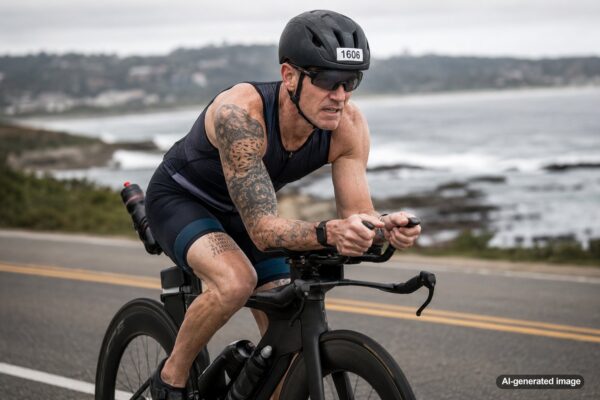
In an Ironman, the early miles can feel deceptively manageable. The crowd is loud. The adrenaline is high. The athlete feels strong. But experienced finishers know that spending too much energy too soon can make the later stages far more difficult. The lesson is simple and uncomfortable: just because you can push harder does not mean you should.
The same pattern shows up in work, leadership, family life, caregiving, and personal adversity. People often treat capacity as if it is fixed. They say yes because they have always said yes. They keep showing up because others depend on them. They normalize stress until exhaustion becomes the new baseline. By the time burnout becomes obvious, the body and mind have often been asking for a change for a long time.
Managing burnout starts with recognizing that pace is a responsibility. It is not about doing less because the mission matters less. It is about building a rhythm that allows the mission to continue.
Resilience is not the same as relentless output
One of the most common misunderstandings about resilience is that it means never slowing down. Endurance athletes know better. The strongest racers are not the ones who pretend the course is easy. They are the ones who respect the course, adjust to conditions, and stay aware of what their body is telling them.
Real resilience includes discipline, but it also includes discernment. There is a difference between temporary discomfort and a warning sign. There is a difference between commitment and self-neglect. There is a difference between pushing through a hard moment and building a life where every moment requires pushing through.
For high-performing people, this can be especially hard to accept. Entrepreneurs, executives, athletes, caregivers, and mission-driven leaders often build their identity around being dependable. They are used to being the one who carries, solves, leads, and finishes. But an Ironman does not get completed through intensity alone. It gets completed through intelligent effort over time.
What burnout teaches us about energy management
Burnout is not only about having too much to do. It is often about having too little recovery, too little control, too little meaning, or too little room to be human. In endurance terms, it is not just the mileage. It is the mileage without fuel, sleep, recalibration, or support.
That distinction matters because many people try to solve burnout with surface-level fixes. They take a day off, answer emails anyway, return to the same overloaded pattern, and wonder why the exhaustion returns. Ironman finishers understand that performance is built in systems. Training, rest, nutrition, mindset, support, and race-day execution all interact. A burnout response needs the same kind of systems thinking.
For a leader, that may mean reducing unnecessary meetings, protecting deep work, delegating sooner, or creating more honest communication around capacity. For a caregiver, it may mean naming the emotional load and accepting support before reaching the breaking point. For an athlete, it may mean backing off training before the body forces a longer stop. For anyone facing adversity, it may mean replacing the question “How do I keep doing everything?” with “What matters most, and what pace makes that sustainable?”
Ironman lesson 1: check your signals early
On race day, small signals matter. A stomach issue, cramping, dizziness, missed nutrition, or a rising heart rate can become a bigger problem if ignored. The athlete who pays attention early has more options than the athlete who waits until everything falls apart.
Burnout has signals too. Irritability, cynicism, poor sleep, emotional numbness, decision fatigue, loss of motivation, and a sense of constant heaviness can all be clues that something needs attention. These signals are not character flaws. They are information. The earlier they are noticed, the more room there is to adjust.
What people often miss
Burnout prevention is not only about rest after collapse. It is about noticing the pattern before collapse becomes the only thing that forces change.
Ironman lesson 2: break the distance into smaller pieces
No one finishes an Ironman by mentally carrying the entire distance at once. The full scope can feel too large. Successful athletes learn to narrow the frame. Swim to the next buoy. Ride to the next aid station. Run to the next mile marker. Take in the next sip, the next breath, the next step.
Burnout recovery often requires the same approach. When life feels overloaded, the entire problem can seem impossible to solve. The more useful question may be smaller: What is the next stabilizing action? What can be removed today? Who needs to know the truth about my capacity? What boundary would create even a little breathing room?
This is where Greg’s core message, One More Step… Just One More, becomes practical rather than decorative. Forward motion does not always look dramatic. Sometimes it looks like one honest conversation, one protected hour of rest, one training adjustment, one request for help, or one decision to stop pretending that depletion is a badge of honor.
Ironman lesson 3: support is part of the finish
Endurance may look individual from the outside, but no serious athlete reaches the start line alone. Coaches, family, training partners, medical professionals, volunteers, race crews, and loved ones all play a role. Support does not make the accomplishment smaller. It makes it possible.
Burnout often thrives in isolation. People carry too much privately because they do not want to disappoint others, appear weak, or admit that the current pace is no longer working. But support is not a last resort. It is part of resilient living. A strong support system can help someone see patterns, protect priorities, and regain perspective when pressure narrows the field of vision.
This idea also connects to the broader mission behind the Forward Motion Fund, which reflects the importance of research, care, challenge, community, and meaningful support. Moving forward is personal, but it is rarely solitary.
Ironman lesson 4: the finish line is not the only measure of strength
Finish lines matter. They give shape to effort and meaning to commitment. But endurance athletes also learn that strength shows up in less visible moments: choosing patience early, accepting help, adjusting expectations, staying calm when the plan changes, and respecting recovery after the race is over.
The same is true with burnout. The goal is not simply to return to maximum output as quickly as possible. The deeper goal is to build a healthier relationship with effort, identity, and sustainability. Sometimes the most resilient decision is to stop confusing exhaustion with purpose.
That does not mean lowering standards. It means building standards that can survive real life. It means understanding that a meaningful life, a demanding career, a family role, a mission, or an athletic goal requires more than drive. It requires rhythm.
Practical takeaways for managing burnout with an endurance mindset
Ironman lessons become useful when they turn into everyday practices. Here are a few grounded ways to apply them:
- Name the actual load. Write down the responsibilities you are carrying, including invisible emotional labor. Burnout often becomes clearer when the load is no longer vague.
- Protect recovery before you feel desperate. Schedule rest, sleep, quiet, movement, or support as part of the plan, not as a reward for surviving the plan.
- Reduce unnecessary friction. Look for meetings, commitments, habits, or expectations that drain energy without serving the mission.
- Use smaller markers. Replace overwhelming goals with the next clear action. Progress can restart through manageable steps.
- Tell the truth sooner. Whether at work, at home, or in training, honest communication often prevents avoidable collapse.
FAQ
Is burnout just another word for being tired?
No. Ordinary tiredness often improves with rest. Burnout is usually deeper and more persistent, often connected to prolonged stress, emotional depletion, loss of motivation, or feeling unable to recover fully from the demands being placed on you.
What can endurance athletes teach leaders about burnout?
Endurance athletes understand that effort has to be managed over time. Leaders can apply the same idea by pacing decisions, protecting recovery, building support systems, and avoiding the trap of treating constant availability as a sign of strength.
How do you keep moving forward when you feel burned out?
Start smaller than your pride may want. Identify one stabilizing step: rest, a conversation, a boundary, a schedule change, a request for help, or a commitment to stop ignoring the warning signs. Forward motion does not have to be fast to be real.
Can resilience and rest exist together?
Yes. In fact, they often depend on each other. Rest is not the opposite of resilience. It is one of the conditions that allows resilience to last.
Interested in bringing Greg’s message to your event or organization?
Learn more about Greg’s speaking work or get in touch to start the conversation.
Contact Greg or learn more about the Forward Motion Fund.
This article is for educational purposes only and is not medical advice. For diagnosis, treatment, or personalized medical guidance, please speak with a qualified healthcare professional.