

What Master Triathletes Know About Sustainable Performance
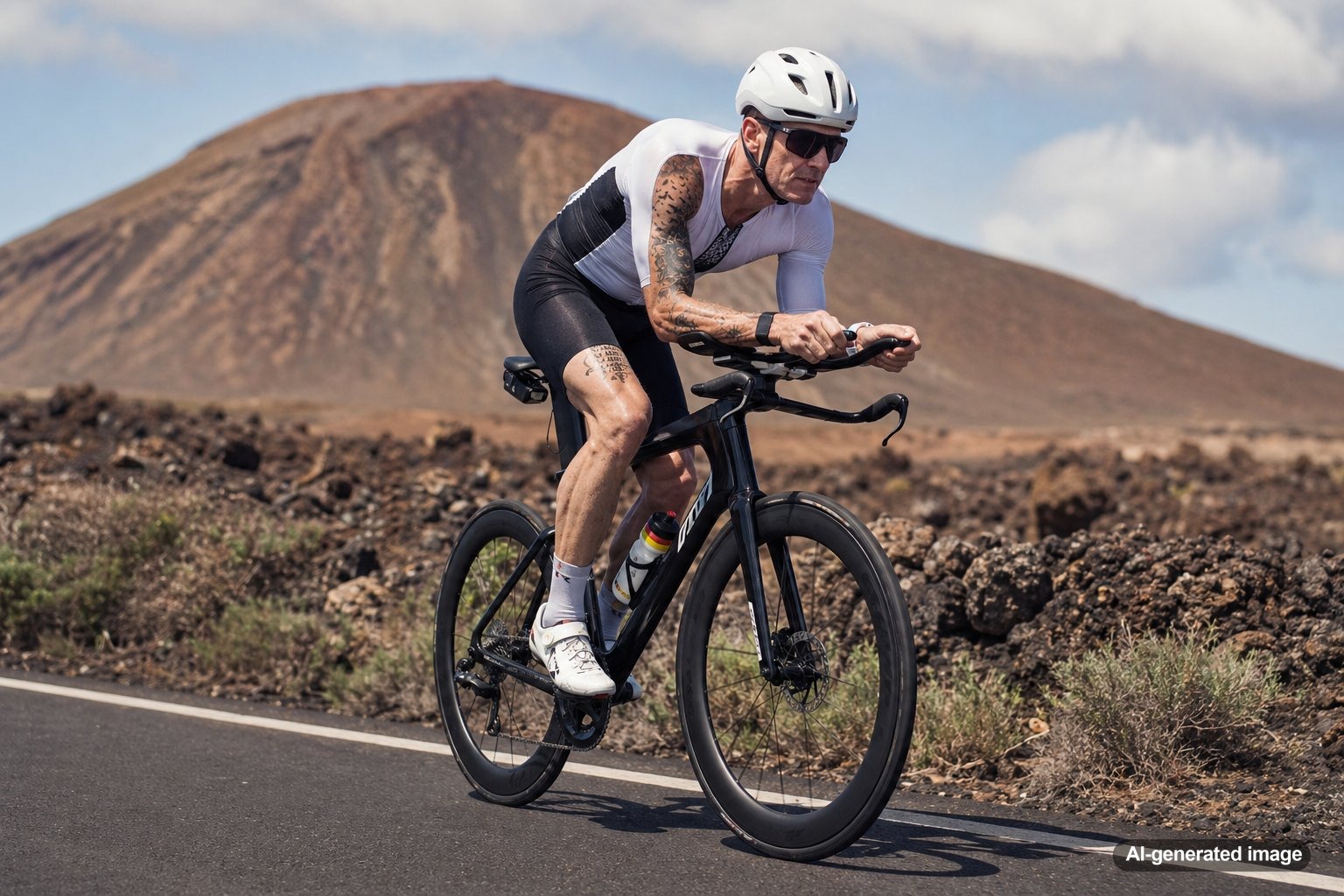
Master triathletes rarely succeed because they are reckless. They succeed because they learn how to last. Over time, the sport teaches a quieter kind of strength: how to listen before pushing, how to build capacity without burning it down, and how to stay committed when progress comes in smaller, more honest increments.
That kind of performance is not limited to racing. It applies to leadership, family, business, advocacy, and any mission that asks a person to keep showing up for years rather than days. For someone like Greg Schaefer, whose life connects endurance sports, entrepreneurship, family, speaking, and forward motion, sustainable performance is not a slogan. It is a lived practice. Learn more about Greg’s broader story on the About Greg page.
Quick answer
- Master triathletes understand that sustainable performance is built through pacing, not constant intensity.
- They treat recovery as part of training, not as a reward for training.
- They adjust to changing seasons, bodies, responsibilities, and setbacks without abandoning the mission.
- They measure progress by consistency, resilience, and decision quality, not just finish times.
- They know that long-term performance requires identity, purpose, and support beyond the race itself.
Sustainable performance starts with pacing
One of the first lessons endurance sports teach is that early speed can become late suffering. A triathlon is not won by proving something in the first few miles. It is built through disciplined choices that protect the athlete’s ability to keep moving well when the day gets harder.
Master athletes tend to understand this deeply because experience has corrected them. They know the feeling of going out too fast. They know the cost of ignoring conditions. They know that ego can be expensive. The mature athlete learns to ask better questions: What is the course asking of me today? What is my body telling me? What choice keeps me strong for the next segment?
That same pacing wisdom matters outside of sport. In leadership, a founder who sprints at every problem eventually drains the team. In advocacy, a person who gives everything at once may not have enough left for the next conversation, event, or community need. In family life, presence requires energy that cannot be endlessly borrowed from sleep, recovery, or health.
Recovery is not weakness. It is infrastructure.
Many younger or newer athletes treat rest like a gap in the plan. Master triathletes tend to see it differently. Recovery is not what happens when ambition stops. Recovery is what allows ambition to remain useful.
That shift matters. Sleep, mobility, nutrition, emotional reset, and time away from training can all become part of the performance system. The athlete who learns to recover well is not less committed. That athlete is usually more serious, because they are protecting tomorrow’s effort instead of spending everything today.
This is one of the overlooked lessons endurance athletes can offer leaders and teams. A culture that never recovers eventually confuses exhaustion with excellence. Sustainable performance asks for a different standard: focused effort, clear priorities, honest feedback, and enough restoration to return with purpose.
Master triathletes adapt instead of clinging to old formulas
What worked at 30 may not work at 50. What worked before a business sale, family transition, injury, diagnosis, or life disruption may not work afterward. Master athletes understand that adaptation is not surrender. It is intelligence.
That might mean changing training volume, adding strength work, choosing races more carefully, adjusting recovery windows, or redefining what a successful season looks like. It might mean letting go of old comparisons and building a new relationship with effort. The goal is not to pretend nothing has changed. The goal is to keep moving with clarity inside what has changed.
That lesson is central to Greg’s world. His platform is not built around pretending adversity does not exist. It is built around what can happen when a person faces reality and still takes one more step. That is a stronger message than denial, and it is far more useful.
Consistency beats dramatic intensity
Endurance rewards repetition. Not glamorous repetition. Not social-media-friendly repetition. Just the quiet return to the work. The swim session when no one is watching. The ride that does not feel heroic. The run that is more about patience than pace. The small choices that make the next choice possible.
Master triathletes often know that the most important training is not always the hardest training. A sustainable athlete learns to stack days, protect the base, and avoid turning every workout into a test of identity. They do not need every session to prove their worth. They need the full pattern to support the mission.
That is a powerful leadership principle. Teams do not become resilient through one inspiring speech. Businesses are not built through one perfect quarter. Causes are not advanced through one emotional moment. Sustainable performance is usually the result of systems, standards, and repeated acts of discipline that outlast the initial excitement.
Experience teaches better decision-making
Master triathletes have usually made enough mistakes to recognize danger earlier. They know when a small ache needs attention. They know when a nutrition plan is drifting. They know when the weather should change the race strategy. They know when pride is pretending to be courage.
That kind of judgment is earned. It is not the same as fear. It is the ability to tell the difference between productive discomfort and destructive stubbornness. In endurance sports, that distinction can shape an entire race. In life, it can shape a career, a family season, or a long-term mission.
There is strength in continuing. There is also strength in adjusting. The athlete who can do both is usually the athlete who lasts.
Purpose keeps performance from becoming empty
Finish lines matter. Times matter. Goals matter. But master athletes often discover that performance becomes more sustainable when it is connected to something deeper than personal achievement alone.
That deeper purpose might be family, health, identity, community, advocacy, or a cause that gives the work more weight. For Greg, endurance is connected to a larger message of forward motion. His racing, speaking, business background, and advocacy all point toward a practical truth: people can face difficult realities and still choose movement, service, and meaning.
That is also why the Forward Motion Fund fits naturally within the broader story. It is not just about athletic effort. It is about turning movement into impact, and connecting personal resilience to support for others.
What people often miss about sustainable performance
Many people think sustainability means doing less. Sometimes it does. More often, it means doing the right things with better timing, stronger self-awareness, and less wasted energy.
- Sustainable does not mean soft. It can still include hard training, ambitious goals, and bold commitments.
- Discipline is not the same as punishment. The best athletes learn to train with respect for the body, not anger toward it.
- Rest is not the opposite of progress. It is part of the cycle that allows progress to continue.
- Identity has to grow with the athlete. A person can remain competitive while becoming wiser, more patient, and more purposeful.
Practical takeaways from master triathletes
For athletes, leaders, and anyone trying to keep moving through a demanding season, the lessons are practical. Build systems that make consistency easier. Respect early warning signs. Choose goals that stretch you without consuming everything around you. Learn from setbacks without letting them rewrite your entire identity.
Most of all, stop measuring strength only by how hard you can push. Strength also shows up in restraint, patience, recovery, humility, and the decision to return again tomorrow. In endurance sports, that mindset can carry an athlete through a long course. In life, it can carry a person through uncertainty, transition, and mission-driven work that requires more than a short burst of motivation.
FAQ
What makes master triathletes different from younger competitors?
Master triathletes often bring more experience, patience, and self-awareness to training and racing. They may be less interested in proving themselves through every workout and more focused on building a performance pattern that lasts.
Is sustainable performance only about training less?
No. Sustainable performance is about training and living with better judgment. Sometimes that means reducing intensity. Other times it means improving recovery, strengthening support systems, refining priorities, or becoming more disciplined about the basics.
How does endurance sports wisdom apply to leadership?
Leadership, like endurance racing, requires pacing, decision-making, recovery, and resilience under pressure. Leaders who burn through energy without building systems often struggle to sustain performance over time.
Why does purpose matter in long-term performance?
Purpose gives effort a reason to continue when results are slow, conditions are difficult, or the path changes. It helps performance become more than personal achievement and connects discipline to meaning.
Interested in bringing Greg’s message to your event or organization?
Learn more about Greg’s speaking work or get in touch to start the conversation.
Contact Greg or learn more about the Forward Motion Fund.
This article is for educational purposes only and is not medical advice. For diagnosis, treatment, or personalized medical guidance, please speak with a qualified healthcare professional.


