

Mastering The Art Of Resilience In A Fast Paced Industry
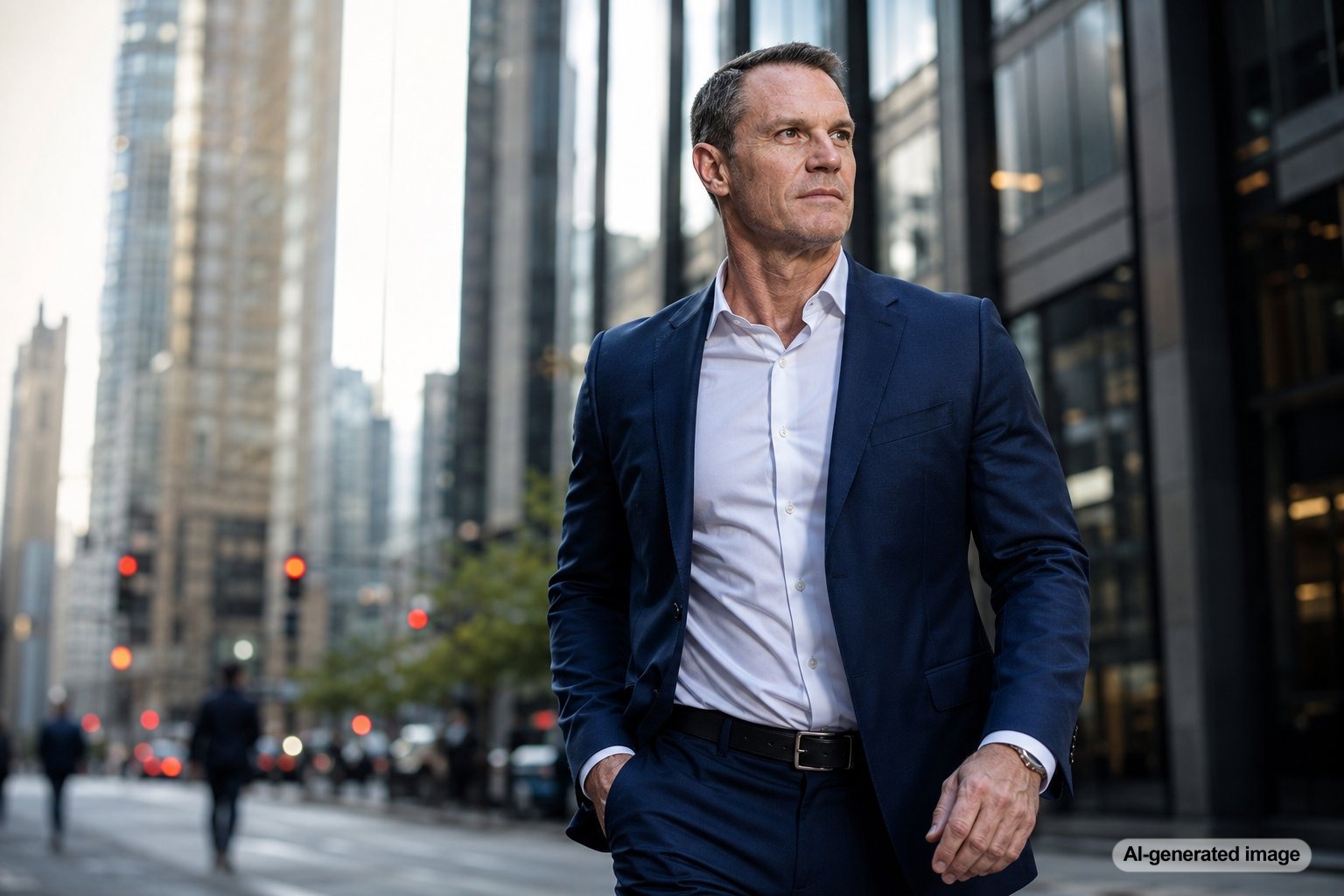
Fast-paced industries reward speed, but speed alone is not resilience. The people and teams who last are not always the ones who move the fastest. They are often the ones who know how to recover, refocus, communicate clearly, and keep making sound decisions when the pace gets uncomfortable.
For leaders, founders, teams, athletes, and mission-driven professionals, resilience is not a slogan. It is a working discipline. It shows up in the way a person handles pressure, adapts after disruption, learns from setbacks, and keeps the larger mission in view. Greg Schaefer’s story sits at that intersection: business leadership, endurance racing, family, advocacy, and the decision to keep moving forward when the path changes. To learn more about that broader journey, visit Greg’s story.
Quick answer: what resilience looks like in a fast-paced industry
- Resilience is the ability to stay useful, steady, and adaptive under pressure.
- It is built through recovery, preparation, honest feedback, and clear priorities.
- Fast-paced environments expose weak systems, unclear communication, and poor boundaries.
- The strongest teams do not ignore stress. They learn how to respond to it with discipline.
- Resilient leadership means protecting the mission without losing the people doing the work.
Resilience is not the same as pushing harder
One of the most common mistakes in high-pressure industries is confusing resilience with endless output. That mindset may create short-term results, but it often drains judgment, creativity, trust, and health over time. Real resilience is not about pretending pressure does not exist. It is about building the capacity to meet pressure without being consumed by it.
In business, that may mean making a difficult decision with incomplete information. In endurance sports, it may mean managing a rough patch without letting one bad mile define the whole race. In advocacy or mission-driven work, it may mean staying committed when progress feels slower than expected. Different arenas, same principle: resilience depends on the ability to keep perspective while still taking the next useful step.
The pace is not always the problem
A fast-paced industry can be demanding, but speed itself is not always the enemy. The bigger problem is often the absence of rhythm. Teams can move quickly when expectations are clear, communication is honest, and people understand what matters most. Without those anchors, speed turns into reactivity.
Leaders can build resilience by separating urgent from important. Not every message is a crisis. Not every setback is a failure. Not every delay is a disaster. When teams learn to identify what truly needs immediate attention, they make better decisions and waste less energy on noise.
Resilient people recover with intention
Recovery is not weakness. It is part of performance. Endurance athletes understand this well: training only works when the body has enough time to adapt. The same idea applies to leadership and work. A person can have grit, discipline, and high standards while still needing space to reset.
In fast-paced industries, recovery may look practical rather than dramatic. It can mean protecting sleep before a major presentation, taking ten minutes to think before responding to a tense email, creating a clean handoff after a long project cycle, or having a candid conversation before frustration becomes resentment. These are not soft choices. They are performance choices.
Pressure reveals systems
When the pace increases, hidden weaknesses become visible. Unclear roles create duplicated work. Vague priorities create conflict. Weak communication creates unnecessary panic. A resilient team does not treat every breakdown as a personal failure. It asks better questions: Where did the system fail? What did we assume? What needs to be clearer next time?
This is where leadership matters. A strong leader does not simply demand calm from everyone else. A strong leader helps create conditions where calm is possible. That includes setting priorities, naming tradeoffs, encouraging direct communication, and making sure the team knows what success looks like before the pressure hits.
Adaptability beats perfection
Fast-paced industries rarely give people perfect conditions. Markets shift. Clients change direction. Technology evolves. Teams lose people. Personal circumstances interrupt professional plans. Resilience grows when people stop waiting for perfect conditions and start learning how to adapt without abandoning their standards.
Adaptability does not mean lowering the bar. It means staying connected to the goal while being flexible about the route. Greg’s core message, One More Step… Just One More, carries that same practical wisdom. It is not about pretending the road is easy. It is about staying in motion with enough humility, courage, and discipline to keep going.
What people often miss about resilience
- Resilience is relational. Support systems, teammates, family, mentors, and colleagues often shape whether people can keep moving through hard seasons.
- Resilience needs honesty. Denial may look strong for a moment, but truth is what allows real adjustment.
- Resilience is built before the crisis. Habits, communication norms, and values matter most when pressure rises.
- Resilience includes purpose. People endure more effectively when they know what they are working toward and why it matters.
Practical ways to build resilience in a demanding environment
Start by clarifying the mission. People can handle intensity better when they understand what their effort supports. In a company, that may be a client outcome, a product launch, a service standard, or a team commitment. In personal life, it may be family, health, advocacy, or a promise made to yourself.
Next, build repeatable habits. A resilient culture is not created by one inspiring meeting. It is shaped by daily behaviors: clear priorities, honest debriefs, realistic timelines, respectful accountability, and space for recovery after intense pushes.
Finally, treat setbacks as information. A missed goal, a difficult quarter, or a challenging season can become useful if the team is willing to learn from it. The question is not only, “What went wrong?” It is also, “What did this reveal about how we prepare, communicate, lead, and recover?”
Why resilience matters for leaders and teams
Resilient leaders help people stay grounded when conditions are changing. They model steadiness without pretending to have every answer. They make room for both urgency and humanity. In fast-paced industries, that balance can be the difference between a team that burns out and a team that gets stronger through hard work.
For organizations looking to build that kind of mindset, a speaker with lived credibility can make the conversation more real. Greg brings a rare combination of entrepreneurial leadership, endurance experience, family perspective, Parkinson’s advocacy, and mission-driven resilience to the stage. Learn more about Greg’s speaking work and how his message connects with teams facing pressure, change, and challenge.
FAQ
What does resilience mean in a fast-paced industry?
It means staying adaptive, clear, and steady when demands are high. It is not about ignoring stress. It is about responding to stress with better habits, stronger systems, and a clearer sense of purpose.
Can resilience be developed?
Yes. Resilience can be strengthened through preparation, reflection, recovery, honest feedback, supportive relationships, and repeated practice under pressure.
How can leaders encourage resilience without encouraging burnout?
Leaders can set clear priorities, respect recovery, avoid crisis-driven communication when possible, and create a culture where people can speak honestly before problems become larger.
Why is purpose important for resilience?
Purpose gives effort a deeper context. When people understand why their work matters, they are often better able to navigate discomfort, uncertainty, and setbacks with perspective.
Interested in bringing Greg’s message to your event or organization?
Learn more about Greg’s speaking work or get in touch to start the conversation.
Contact Greg or learn more about the Forward Motion Fund.
This article is for educational purposes only and is not medical advice. For diagnosis, treatment, or personalized medical guidance, please speak with a qualified healthcare professional.


