
How To Pace The Ironman Bike Without Burning Out
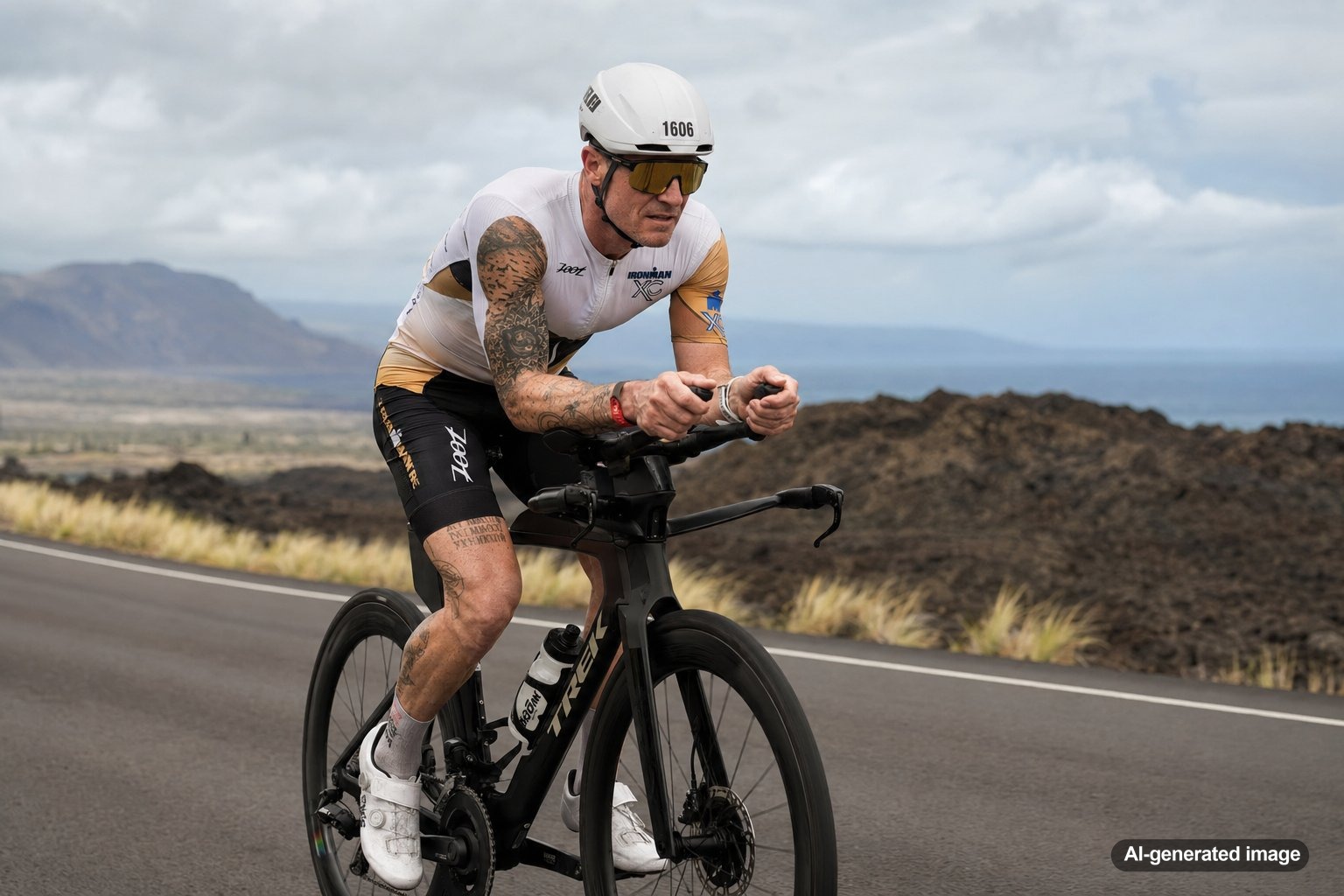
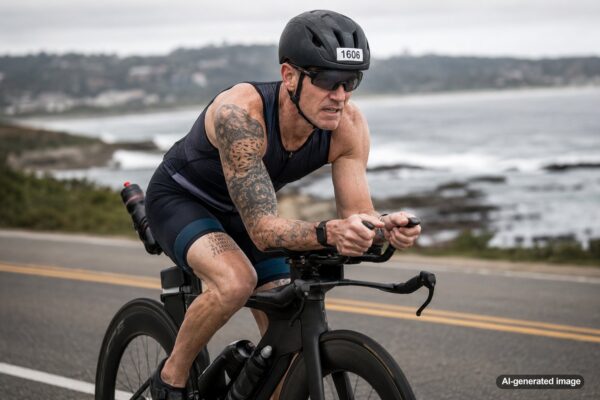
The Ironman bike is where many races are quietly won or lost, not because athletes lack fitness, but because they spend their strength too early. A strong bike split can feel exciting in the moment, but if it empties the tank before the marathon, it was not really strong. It was expensive.
To pace the Ironman bike without burning out, the goal is not to prove your toughness in the first 40 miles. The goal is to ride with enough discipline that you arrive at the run still able to make decisions, hold form, and keep moving forward. That kind of pacing takes patience, humility, and a clear plan. It is the same kind of discipline Greg Schaefer brings to endurance, leadership, and life: one more step, one more smart choice, one more moment of forward motion. You can learn more about Greg’s broader story on the About Greg page.
Quick answer: how to pace the Ironman bike
- Start easier than your excitement wants you to ride, especially in the first 30 to 45 minutes.
- Keep your effort steady instead of chasing every rider, hill, tailwind, or passing opportunity.
- Fuel early and consistently so your bike pacing supports the marathon instead of sabotaging it.
- Respect wind, heat, terrain, and heart rate changes instead of locking into ego-based speed goals.
- Judge the ride by how well it sets up the run, not by how impressive the bike split looks alone.
The bike is not a standalone race
The hardest thing about Ironman bike pacing is accepting that the bike leg is not a separate event. It is the bridge between the swim and the marathon. If you ride like the finish line is at T2, the run will often expose that decision.
A controlled Ironman bike should feel almost too patient at first. That does not mean soft, passive, or undertrained. It means mature. The athletes who ride well over 112 miles understand that the early miles are full of false confidence. Adrenaline is high. Crowds are loud. The body may feel fresh after settling in from the swim. Other riders may be surging around you. None of that means the effort is free.
A better question than “How fast can I ride?” is “What pace lets me run with purpose afterward?” That shift changes everything. It turns the bike from a place to show off into a place to execute.
Start the ride with restraint, not urgency
The opening stretch of the Ironman bike is one of the most dangerous parts of the race because it rarely feels dangerous. Many athletes come out of the water relieved, excited, and ready to settle into something familiar. The temptation is to ride at the effort that feels good right now.
That effort is often too hard.
In the first 30 to 45 minutes, your job is to bring your breathing down, settle your heart rate, get organized, begin fueling, and let the race come to you. You are not trying to win the bike course in the first hour. You are trying to avoid creating a debt you will have to pay back on the run.
A useful rule is to ride the early miles at an effort that feels almost annoyingly controlled. If you are thinking, “I could definitely push more,” that may be exactly where you need to be. Ironman rewards the athlete who can delay gratification.
Use effort, power, and heart rate as guardrails
Speed can be misleading on an Ironman bike course. A tailwind can make you feel heroic. A headwind can make you feel like something is wrong. A long climb can push your heart rate up before you realize it. A descent can inflate your average speed without saying much about your true effort.
That is why smart pacing uses guardrails. Power, heart rate, perceived exertion, cadence, and breathing all tell part of the story. None of them are perfect on their own, but together they help keep you honest.
Power can help prevent surges. Heart rate can show how your body is responding to heat, hydration, stress, and fatigue. Perceived effort keeps you connected to the lived reality of the day. Breathing can reveal when you are moving from sustainable pressure into unnecessary strain.
The key is not to become robotic. The key is to stay aware. If your numbers look fine but your breathing feels strained, listen. If your power is steady but your heart rate keeps climbing in the heat, adjust. If your speed is slower than expected into the wind, do not panic and force the pace. Ironman pacing is not about controlling every condition. It is about controlling your response.
Avoid the surge trap
One of the fastest ways to burn out on the Ironman bike is to ride in repeated spikes. You surge over hills. You surge to pass. You surge after someone passes you. You surge out of aid stations. You surge because a group is pulling away. Each surge may feel small, but over 112 miles those small decisions accumulate.
The problem is not only that surging costs energy. It also disrupts rhythm. It can make fueling harder, elevate your heart rate, tighten your legs, and turn a long steady ride into a series of expensive emotional reactions.
Strong Ironman cyclists often look almost boring. They ride smoothly. They let impatient athletes go. They pass with control. They climb without panic. They do not turn every moment into a test of identity. That is not weakness. That is discipline.
Fuel the bike like the run depends on it
Pacing is not only about how hard you push the pedals. It is also about whether you keep giving your body what it needs to keep working. Even a perfectly measured bike effort can fall apart if fueling and hydration are ignored or delayed.
The bike is usually the best place to fuel because it is easier to take in calories and fluids while riding than while running. Waiting until you feel depleted is too late. Waiting until you feel thirsty can also put you behind. A steady fueling rhythm helps protect your energy, your focus, and your ability to run after T2.
The details vary by athlete, conditions, and race plan, so this is something to practice in training rather than invent on race day. The broader principle is simple: your nutrition plan should be as intentional as your pacing plan. An Ironman bike leg is not just a fitness test. It is an execution test.
Respect the course instead of fighting it
Every Ironman course asks different questions. A flat course may test patience and position. A hilly course may punish overclimbing. A windy course may challenge your ego. A hot course may require more restraint than your training numbers suggest.
Burnout often happens when athletes try to force a goal pace onto a course that is asking for flexibility. The athlete who insists on a certain speed into a headwind may spend far more energy than planned. The athlete who attacks every climb may discover that the downhill does not fully pay them back. The athlete who ignores heat may feel strong for a while, then unravel quickly.
Good pacing adapts. It does not mean abandoning ambition. It means applying ambition intelligently.
What people often miss about Ironman bike pacing
- Comfort matters. A position that is fast for 20 minutes but painful for five hours can cost more than it saves.
- Mental patience is a performance skill. Letting someone pass without reacting may be one of the smartest moves you make all day.
- The bike should feel controlled before it feels heroic. If you need heroics too early, you may be spending energy you need later.
- T2 is a truth checkpoint. If you dismount stiff, underfueled, overheated, or mentally drained, the bike plan was too costly.
Practice race pacing before race day
You cannot fully learn Ironman bike pacing from a chart the week before the race. The body needs rehearsal. The mind does too.
Long rides are the place to practice steady effort, fueling rhythm, aero position, climbing restraint, and decision-making when fatigue shows up. Brick workouts help reveal whether your bike pace is actually run-friendly. Race simulations can show how your stomach responds, how your heart rate drifts, and how your focus changes after several hours in the saddle.
Training also teaches emotional control. There will be moments in an Ironman when you feel too slow, too strong, too frustrated, or too eager. Practicing discipline before race day gives you something to return to when the race gets loud.
The best bike split is the one that protects your finish
It is easy to judge an Ironman bike by the split. It is wiser to judge it by what came next. Did you fuel well? Did you stay composed? Did you avoid unnecessary spikes? Did you reach the run with enough strength to keep moving?
That perspective matters beyond racing. In endurance sports, business, family, advocacy, and life with adversity, the goal is not always to empty yourself at the first hard moment. Sometimes the real strength is pacing the effort so you can keep showing up.
For Greg Schaefer, endurance is not just about finish lines. It is about forward motion through challenge, uncertainty, and change. The Ironman bike is a powerful reminder of that principle: the strongest athlete is not always the one who pushes hardest earliest. It is often the one who keeps choosing wisely when the day gets long.
FAQ
Should the Ironman bike feel easy?
It should feel controlled, especially early. “Easy” may not be the right word for a 112-mile ride, but the effort should feel sustainable enough that you are not already fighting the race in the first half.
Is it bad to pass people on the bike?
No. Passing is part of racing. The issue is how you pass. A smooth, controlled pass is very different from an emotional surge that spikes your effort and disrupts your plan.
How do I know if I biked too hard?
Common signs include arriving at T2 with heavy legs, poor focus, stomach trouble, unusual stiffness, or the feeling that you need a long reset before running. Sometimes the clearest sign appears in the first few miles of the marathon.
Should I chase a bike split goal?
A goal can be useful, but it should not override conditions, effort, fueling, or the need to run afterward. In Ironman racing, a slightly slower bike that leads to a stronger run can be the better overall race.
Bottom line
To pace the Ironman bike without burning out, ride with patience early, steadiness throughout, and respect for the marathon waiting on the other side. Keep your effort honest. Fuel before you are desperate. Let other athletes make their choices without pulling you out of yours.
The Ironman bike rewards discipline more than drama. The goal is not to prove everything in one surge. The goal is to keep moving with purpose, one smart decision at a time.
Interested in bringing Greg’s message to your event or organization?
Learn more about Greg’s speaking work or get in touch to start the conversation.
Contact Greg or learn more about the Forward Motion Fund.
This article is for educational purposes only and is not medical advice. For diagnosis, treatment, or personalized medical guidance, please speak with a qualified healthcare professional.