

8 Questions to Ask Before Booking a Motivational Speaker
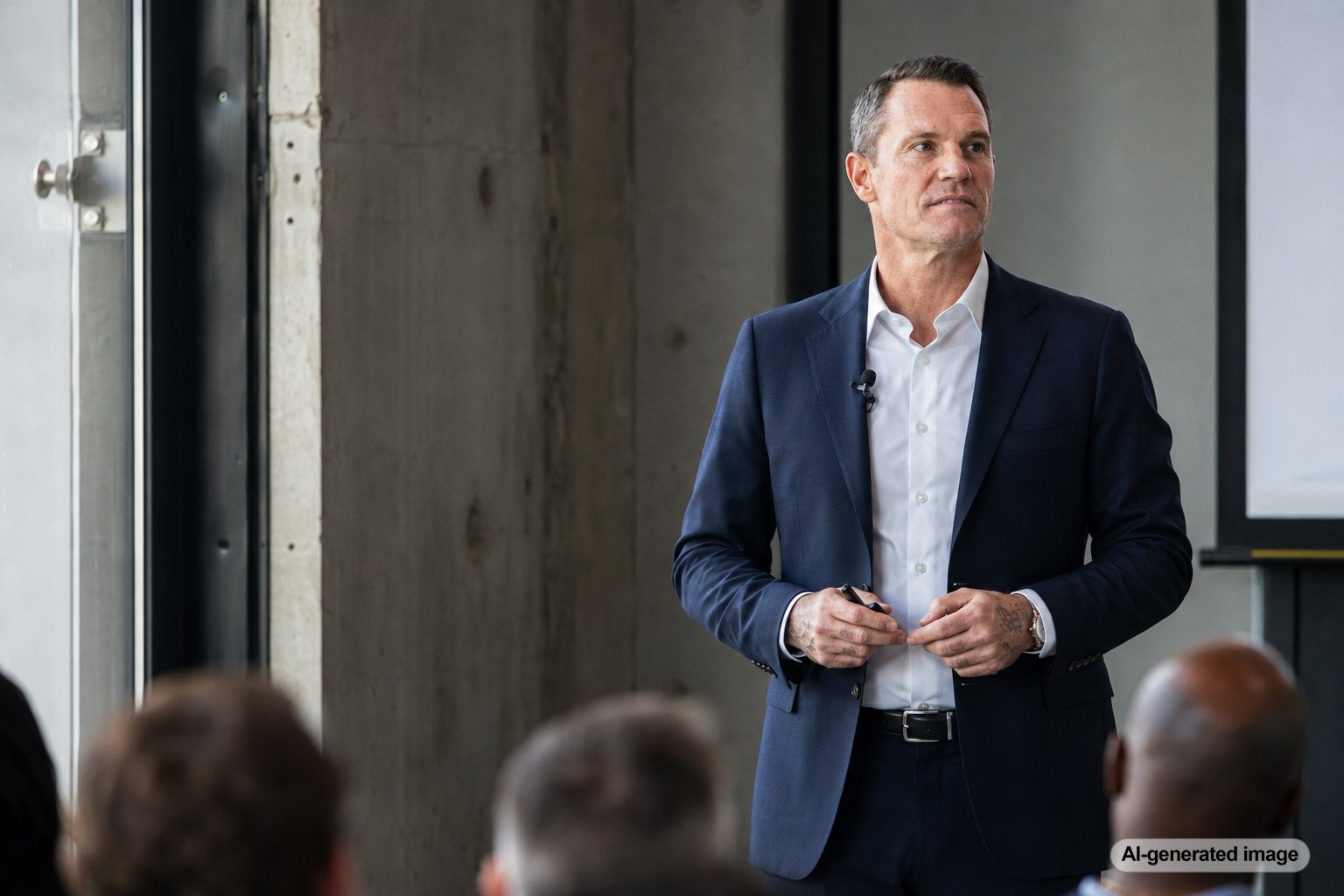
Booking a motivational speaker is not just about finding someone with a strong bio, a polished reel, or a story that sounds impressive on paper. The right speaker should fit the room, understand the audience, honor the purpose of the event, and leave people with something they can carry into the days and decisions that follow.
For event planners, leadership teams, associations, schools, and mission-driven organizations, the best choice often comes down to alignment. A speaker may be inspiring, but the deeper question is whether that inspiration is useful, credible, and connected to the outcome you want. Before you book a speaker, these eight questions can help you choose with more clarity and confidence.
Quick answer: Before booking a motivational speaker, ask whether their message fits your audience, whether their story has earned credibility, how they customize the talk, what practical takeaways they provide, and whether their presence supports the larger purpose of your event.
- Look beyond a powerful story and evaluate relevance.
- Ask how the speaker adapts to your audience and event goals.
- Pay attention to tone, credibility, and practical takeaways.
- Choose someone who can connect emotionally without relying on hype.
1. Does the speaker understand the audience in front of them?
A great keynote does not feel like it could have been delivered to any room, anywhere. It should feel shaped around the people sitting in the seats. Before booking a motivational speaker, ask how they learn about the audience, what they want to understand before the event, and how they adjust their message for different groups.
A leadership conference, a nonprofit gala, a sales meeting, a healthcare event, and a school assembly may all benefit from motivation, but they do not need the same talk. The pressure points are different. The emotional temperature is different. The language that resonates is different. A strong speaker knows how to honor that context.
2. Is the message connected to the purpose of the event?
Motivation works best when it serves a clear purpose. Are you trying to energize a team after a hard year? Open a conference with perspective? Help leaders think differently about adversity? Bring a human story into a fundraising or advocacy event? Create a shared moment that people will talk about afterward?
When the purpose is clear, the speaker can support it instead of simply filling a time slot. This is where alignment matters. Greg Schaefer’s work, for example, lives at the intersection of endurance, business leadership, family, resilience, advocacy, and forward motion. That kind of layered perspective can be especially valuable when an organization wants more than a generic motivational message.
3. Has the speaker earned the message they deliver?
There is a difference between someone who talks about resilience and someone whose life has required it. Audiences can usually feel the difference. Before booking a speaker, look for lived credibility. What has shaped their point of view? What have they built, endured, learned, led, or carried?
Earned credibility does not mean the story has to be dramatic at every turn. It means the message comes from real experience. Greg’s background as a dad, husband, CEO, entrepreneur, endurance athlete, 20-time Ironman, and person living with Young-Onset Parkinson’s gives his message a grounded authority. It is not resilience as a slogan. It is resilience as a daily practice.
4. Will the talk offer practical takeaways, not just emotional impact?
An audience may remember how a speaker made them feel, but the best events also leave people with something useful. Ask what attendees will be able to think about, talk about, or act on after the keynote ends. The answer should be more specific than “they will be inspired.”
Practical takeaways might include a clearer way to handle setbacks, a stronger view of team accountability, a more honest relationship with uncertainty, or a simple mindset that helps people keep moving when the next step feels difficult. Greg’s core message, “One More Step… Just One More,” works because it is emotionally direct and practically repeatable. It gives people language they can use when motivation alone is not enough.
5. How does the speaker customize the presentation?
Customization does not always mean rewriting an entire keynote. It can mean learning the audience, understanding the event theme, acknowledging the organization’s current reality, and shaping examples so they feel relevant. Ask whether the speaker offers a pre-event planning call, reviews the event goals, or adapts the talk based on who will be in the room.
This matters because a speaker who understands context can avoid tone-deaf moments. A room full of exhausted leaders may not need a high-volume hype speech. A room of students may need directness and hope without condescension. A mission-driven audience may need story, purpose, and a clear connection to impact. The best customization often feels subtle, but the audience notices.
6. Does the speaker’s tone fit your organization?
Not every motivational speaker sounds the same. Some are comedic. Some are intense. Some are polished and corporate. Some are deeply personal. Some are best suited for celebration, while others are better for reflection, change, adversity, or leadership development.
Ask yourself whether the tone matches your event. If your audience values authenticity, service, discipline, humility, and real-world perspective, choose a speaker who can deliver strength without sounding inflated. Greg’s message is hopeful, but grounded. It is human, but not sentimental. It is motivational, but not built on empty applause lines. For many organizations, that balance is what makes a message land.
7. Can the speaker connect the story to your broader goals?
A speaker’s personal story can be powerful, but the event should not become only about the speaker. The story should open a door into something larger: leadership, perseverance, teamwork, purpose, advocacy, service, or the courage to keep moving through uncertainty.
This is especially important for organizations that want a keynote to reinforce a theme. If your event is about resilience, the speaker should help people see resilience in their own work and lives. If it is about leadership, the speaker should connect the message to responsibility, decision-making, and the people who depend on us. If it is about mission, the speaker should help the audience understand why purpose becomes more meaningful when it is tested.
8. What happens after the applause?
The strongest keynote should continue working after the room clears. Ask whether the speaker’s message gives your audience language they can repeat, ideas they can discuss, and perspective they can bring back to their teams, families, or communities.
This is also a good time to think about follow-through. Do you want the speaker to participate in a moderated conversation, meet with sponsors, connect with leadership, support a mission initiative, or help amplify a broader campaign? If your event has a community, advocacy, or charitable component, consider whether the speaker’s platform fits that purpose. Greg’s Forward Motion Fund is one example of how a keynote message can connect naturally to mission-driven impact without turning the event into a sales pitch.
Bottom line: The right motivational speaker should do more than tell a compelling story. They should understand your audience, respect your event goals, deliver earned perspective, and leave people with a message that feels useful after they walk out of the room.
As you compare speakers, pay attention to the fit beneath the surface. A reel can show energy. A bio can show accomplishments. A conversation can reveal whether the speaker will treat your event with care. To learn more about Greg’s background and message, visit his About page or review what organizations have shared on the Testimonials page.
Interested in bringing Greg’s message to your event or organization?
Learn more about Greg’s speaking work or get in touch to start the conversation.
Contact Greg or learn more about the Forward Motion Fund.
This article is for educational purposes only and is not medical advice. For diagnosis, treatment, or personalized medical guidance, please speak with a qualified healthcare professional.