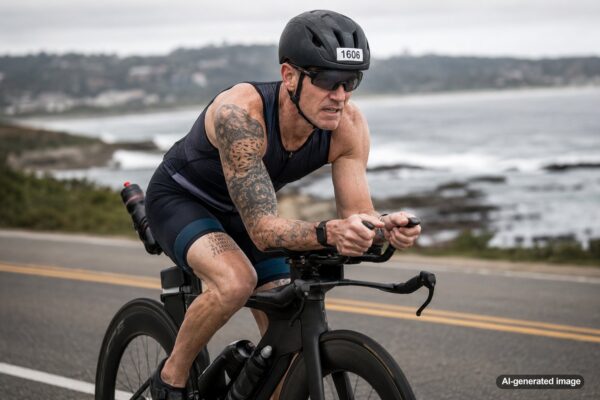

What Racing Long Distance Teaches You About Patience
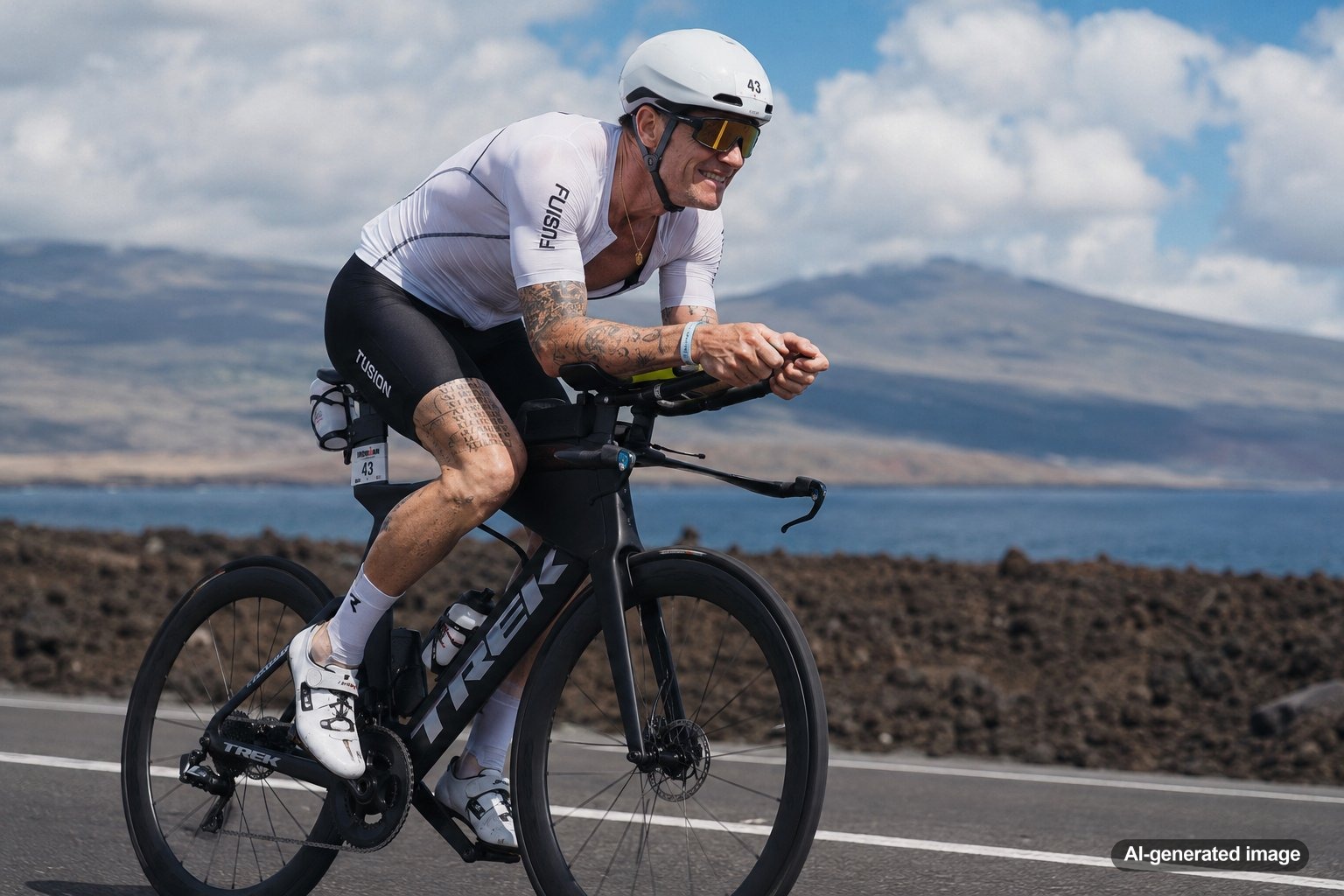
Long-distance racing has a way of teaching patience that no lecture can quite match. It is not the soft kind of patience that means waiting around and hoping things improve. It is active patience. It is the ability to keep making smart choices while your body is tired, your emotions are loud, and the finish line is still far enough away that imagination has to do some of the work.
For someone like Greg Schaefer, whose life brings together family, business leadership, endurance racing, advocacy, and forward motion, patience is not passive. It is a discipline. It is built in training, tested on race day, and carried into the harder parts of life. That is one reason his work as a speaker resonates beyond athletics. Long races reveal something useful about how people handle pressure, uncertainty, setbacks, and the long middle miles where most meaningful things are decided.
Quick answer: long-distance racing teaches patience by making you earn progress
- It teaches you to respect pacing instead of chasing instant results.
- It shows that discomfort is not always a signal to quit.
- It forces you to manage emotion when things do not go according to plan.
- It rewards consistent decisions more than dramatic bursts of effort.
- It reminds you that forward motion is often built one small choice at a time.
Patience starts with pacing, not personality
People often think patience is a personality trait. Some people have it, some people do not. Racing long distance challenges that idea. In endurance sports, patience is less about temperament and more about execution. You can be ambitious, competitive, and deeply driven, but if you spend all your energy too early, the race will eventually collect the debt.
That is one of the first lessons long-distance racing teaches: the fastest early choice is not always the wisest overall choice. There is a difference between moving with urgency and moving recklessly. A smart athlete learns to hold back when adrenaline says go faster. They learn to trust a plan even when other racers surge ahead. They learn that a disciplined mile early in the race can protect the strength needed for the final miles.
The same idea applies far beyond a course or start line. Leaders, parents, founders, advocates, and caregivers all face seasons where patience is not about doing less. It is about doing the right thing at the right pace, especially when impatience tries to disguise itself as commitment.
The long middle is where patience gets real
Every endurance race has a beginning, a middle, and an end. The beginning has energy. The end has urgency. The middle is where the story gets honest. It is the place where the crowd may thin out, the body starts negotiating, and the mind begins asking uncomfortable questions.
That middle section is where patience becomes more than an idea. It becomes a practice. You may not feel inspired. You may not feel strong. You may not be having the race you hoped for. But you can still take in fuel, manage your breathing, check your form, settle your mind, and keep moving.
This is one of the overlooked gifts of long-distance racing. It teaches you to stop requiring perfect conditions before you make the next good decision. Patience is not waiting for the pain to disappear, the weather to change, or the doubt to quiet down. It is learning to act wisely while those things are still present.
Patience means listening without surrendering
Endurance racing also teaches a more subtle kind of patience: the ability to listen closely without overreacting. The body sends signals all day. Some are important. Some are temporary. Some need attention. Some are just noise from a hard effort.
Experienced racers learn to pay attention without panicking. A rough patch does not automatically mean the day is lost. A slow mile does not erase the whole race. A moment of doubt does not deserve to become the final word.
That kind of patience is practical, not poetic. It asks better questions. Do I need to slow down for a few minutes? Do I need nutrition? Do I need to reset my expectations? Do I need to focus only on the next aid station, the next turn, or the next step?
In life, that same skill matters. A difficult diagnosis, a business setback, a family challenge, or a season of uncertainty can create a rush of emotion. Patience does not mean ignoring reality. It means refusing to let one hard moment write the whole future.
The race rewards small decisions that compound
Long-distance racing is rarely transformed by one heroic moment. More often, it is shaped by hundreds of smaller decisions. Eat before you feel empty. Drink before you feel desperate. Adjust before a problem becomes a crisis. Stay steady when the road gets quiet. Do not turn one bad mile into five.
That is why patience in endurance sports is so connected to maturity. It teaches you to respect the compound effect of small, responsible actions. The athlete who keeps making reasonable choices may not look dramatic in the moment, but over time, those choices create staying power.
This lesson is especially relevant for anyone building something meaningful. A business, a family culture, a speaking platform, a mission, a recovery process, a community effort, or a fund like the Forward Motion Fund is not built in one emotional burst. It is built by returning to the work with care, humility, and consistency.
Patience changes your relationship with discomfort
There is a difference between pain that needs immediate attention and discomfort that comes with doing something hard. Long-distance racing helps athletes learn that distinction with respect and seriousness. The lesson is not to ignore the body. The lesson is to become more honest about what discomfort means.
Sometimes discomfort means the pace is too aggressive. Sometimes it means the conditions are harder than expected. Sometimes it means the mind is tired of waiting for the finish. Patience gives a racer enough space to respond instead of react.
That space matters. A patient athlete can adjust without spiraling. They can slow down without shame. They can accept a harder day without declaring it a failure. They can keep going without turning toughness into recklessness.
What people often miss about patience
Patience is not the opposite of ambition. In long-distance racing, patience protects ambition. It keeps the goal alive by making the effort sustainable.
This is easy to miss in a culture that often celebrates speed, intensity, and visible achievement. Racing long distance offers a different kind of wisdom. The person who knows when to hold back may be the one who has enough left when the day gets hard. The person who respects recovery may be the one who can keep showing up. The person who stays calm through a bad stretch may be the one who reaches the finish with more than a medal. They reach it with a deeper understanding of themselves.
Practical takeaways from the long-distance mindset
For athletes, patience can look like trusting the training plan, starting conservatively, fueling before the crisis point, and accepting that not every race will unfold perfectly. For leaders, it can look like building systems instead of chasing shortcuts. For families, it can look like staying present through seasons that do not resolve quickly. For anyone facing adversity, it can look like choosing one more step when the whole road feels too large to carry at once.
Greg’s core message, One More Step… Just One More, fits this lesson because it does not pretend the distance is easy. It makes the next step sacred. It brings the impossible down to the immediate. It reminds people that patience is not about denying the weight of the journey. It is about refusing to abandon the next meaningful action.
FAQ
Why does long-distance racing require so much patience?
Long-distance racing requires patience because the effort lasts too long for emotion alone to carry you. Athletes have to manage pacing, nutrition, discomfort, weather, expectations, and mental fatigue over many hours. Impulsive decisions early can create consequences later.
Is patience the same as slowing down?
No. Patience is not simply moving slowly. It is choosing the right effort for the full distance. Sometimes that means slowing down. Sometimes it means staying steady when you want to panic. Sometimes it means trusting that consistent progress is still progress.
What can non-athletes learn from endurance racing?
Non-athletes can learn that meaningful goals often require sustained effort, emotional regulation, and the ability to keep making good decisions under pressure. The race becomes a metaphor for leadership, family, advocacy, entrepreneurship, and personal growth because it reveals how people respond when results take time.
How does patience support resilience?
Patience supports resilience by helping people stay engaged during difficult stretches. It creates room to adapt, recover, reassess, and continue. Without patience, resilience can become frantic. With patience, resilience becomes steadier and more sustainable.
Interested in bringing Greg’s message to your event or organization?
Learn more about Greg’s speaking work or get in touch to start the conversation.
Contact Greg or learn more about the Forward Motion Fund.
This article is for educational purposes only and is not medical advice. For diagnosis, treatment, or personalized medical guidance, please speak with a qualified healthcare professional.