

How To Recover Smarter Between Big Training Sessions
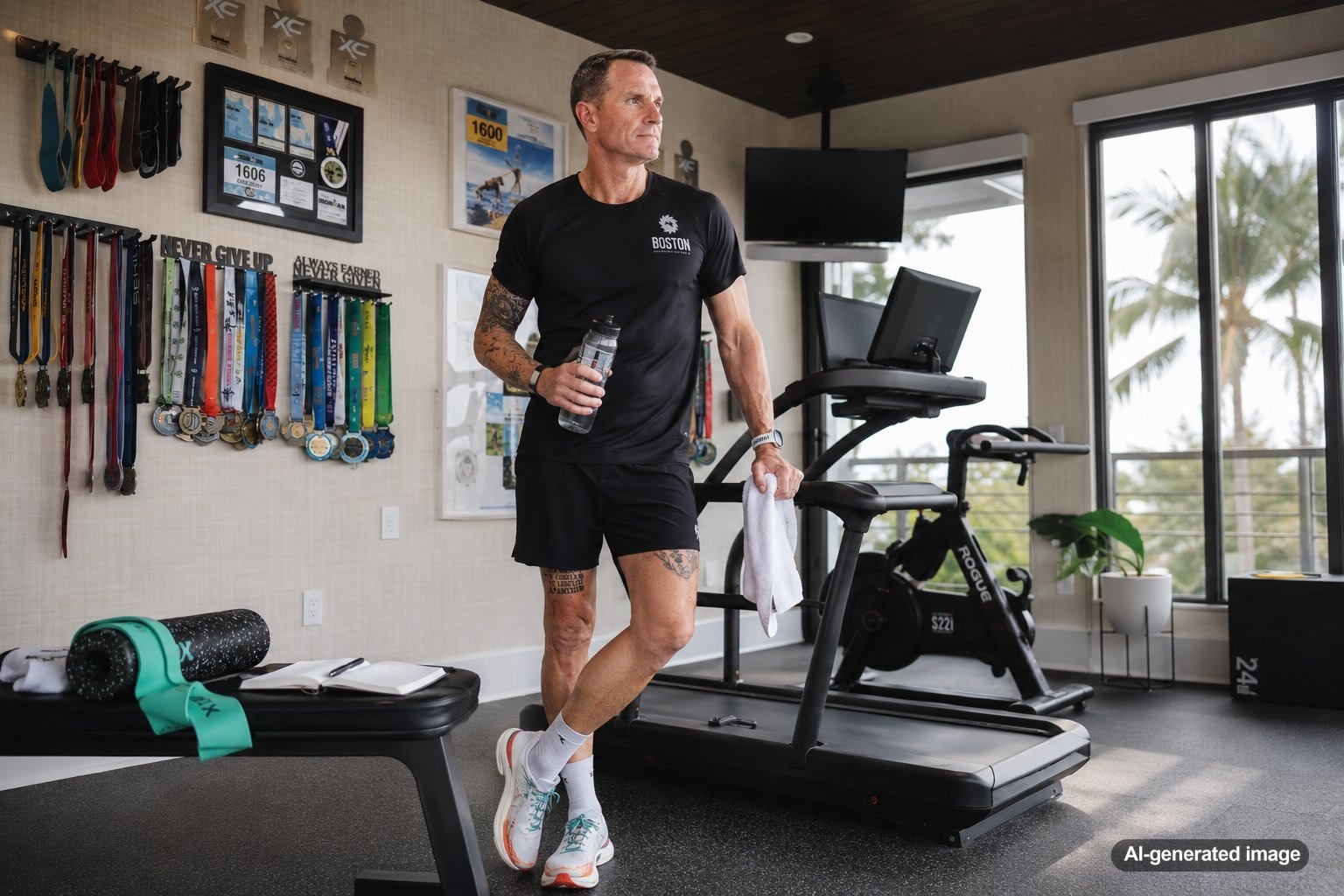
Big training sessions can create a powerful sense of progress, but the work does not end when the watch stops. The hours between demanding workouts determine whether the next session builds on that progress or simply adds more fatigue. Smart recovery is not about avoiding hard work. It is about helping your body and mind absorb the work you have already done.
For endurance athletes, busy leaders, parents, and anyone balancing training with a full life, recovery has to be practical. It cannot depend on perfect schedules, expensive tools, or an entire day devoted to rest. The goal is to identify the few actions that reliably improve readiness, then repeat them with the same discipline you bring to training. That approach reflects the broader mindset behind Greg’s work in endurance, leadership, and forward motion: progress often comes from doing the next useful thing well.
Quick answer
- Begin recovery as soon as the session ends instead of waiting until soreness appears.
- Prioritize fluids, food, sleep, and gentle movement before adding complicated recovery tools.
- Separate normal training fatigue from warning signs that deserve extra rest or professional guidance.
- Adjust the next workout when your body is not absorbing the previous one.
- Use simple readiness patterns rather than letting one number make every decision.
Recovery starts before the workout is over
Many athletes treat recovery as something that begins later, after they shower, finish work, or get home. In reality, the transition starts during the final portion of the session. A controlled cooldown, a few minutes of easy movement, and an early plan for fluids and food can make the rest of the day more manageable.
This does not require a long ritual. After a hard ride, run, swim, or strength session, the first objective is to bring your effort down gradually and shift out of performance mode. Five to fifteen minutes of easy movement may be more useful than stopping abruptly and immediately sitting in the car. The purpose is not to erase fatigue. It is to begin moving toward a calmer physical state.
Build recovery around the basics
Recovery products and technology can be useful, but they should not distract from the fundamentals. When athletes struggle between big sessions, the issue is often not the absence of a specialized tool. It is an inconsistent foundation.
Replace fluids steadily
Hydration needs vary based on session length, heat, sweat rate, and individual tolerance. Instead of forcing a large amount of fluid at once, many athletes do better with steady intake across the hours after training. Thirst, urine color, environmental conditions, and how you typically respond to long sessions can all provide useful context.
During periods of heavy sweating, fluids may need to be paired with appropriate electrolytes and regular meals. The right approach varies, especially for athletes managing health conditions or medications, so personalized guidance may be helpful.
Eat enough to support the work
A demanding workout creates a real recovery cost. Consistently under-eating after hard training can leave an athlete flat, irritable, unusually sore, or unable to complete the next session with quality. A practical post-training meal usually includes carbohydrates, protein, and enough total food to match the work performed.
The exact meal matters less than the habit of planning ahead. A balanced meal prepared in advance is often more effective than reaching the end of a long session with no appetite, no food available, and several hours of obligations ahead. Recovery becomes easier when it is built into the day’s logistics rather than left to chance.
Protect sleep instead of trying to replace it
Sleep is one of the most valuable recovery tools available, yet it is often the first thing sacrificed when life gets crowded. One perfect night will not solve every recovery problem, but a consistent sleep routine can make hard training more sustainable.
After especially demanding sessions, consider what could interfere with sleep later that day. Late caffeine, an oversized meal immediately before bed, lingering work stress, or an intense evening workout may all make it harder to settle down. A repeatable wind-down routine can help create a clearer transition from activity to rest.
Use movement to recover without creating another workout
Active recovery should feel restorative. It is not a hidden test of toughness. Easy walking, relaxed cycling, gentle swimming, mobility work, or light range-of-motion exercises may help an athlete feel less stiff without adding meaningful training stress.
The key distinction is intensity. If the recovery session turns into a pace goal, competition, calorie target, or extended endurance effort, it is no longer recovery. A useful rule is that you should generally finish feeling the same or better than when you started.
This matters for driven people because effort can become the default answer to every problem. Sometimes the disciplined choice is to move lightly. Sometimes it is to stop. Knowing the difference is part of developing a mature leadership and performance mindset.
Learn the difference between fatigue and a warning sign
Some heaviness, soreness, and reduced energy can be expected after a major training session. The experience should still be observed rather than automatically dismissed. Recovery decisions improve when athletes notice patterns instead of judging themselves for feeling tired.
Consider reducing training and seeking appropriate guidance when you notice:
- Pain that is sharp, localized, worsening, or changing your movement.
- Unusual dizziness, faintness, chest discomfort, or breathing difficulty.
- Persistent exhaustion that does not improve with normal rest.
- Repeated sleep disruption, declining mood, or loss of motivation.
- A sustained drop in performance across multiple sessions.
- Symptoms that feel different from your normal response to training.
One difficult day does not necessarily mean something is wrong. A repeated pattern carries more information. Athletes living with Parkinson’s, managing an injury, taking medication, or navigating another health consideration may need additional flexibility and professional input when interpreting fatigue.
Assess readiness using more than one signal
Wearables can provide helpful data, but no single score should replace judgment. Resting heart rate, sleep duration, heart rate variability, soreness, mood, appetite, coordination, and motivation may each offer part of the picture. Their value often comes from trends over time rather than one unusual reading.
A brief morning check can be enough:
- How did I sleep?
- Do I feel generally tired or specifically painful?
- Is my mood stable?
- Do easy movements feel normal?
- Am I willing to train, or am I forcing myself through a deeper sense of depletion?
The answers do not have to be perfect. The objective is to choose an appropriate session. Sometimes that means completing the workout as planned. Sometimes it means reducing duration, lowering intensity, changing the activity, or taking a full rest day.
Match recovery to the type of training stress
Not all hard sessions create the same fatigue. A long aerobic workout may primarily leave you depleted and generally tired. High-intensity intervals may create greater nervous system strain and lingering mental fatigue. Heavy strength training may produce localized soreness and reduced force. Heat exposure may increase fluid needs and make a familiar session more demanding than expected.
Recovery should respond to the stress you actually created. For example:
- After a long endurance session, focus on fluids, substantial meals, sleep, and reduced time on your feet.
- After intense intervals, protect mental downtime and avoid stacking another high-focus session too quickly.
- After heavy strength work, use gentle movement and give the trained muscle groups time before loading them heavily again.
- After training in heat, continue monitoring hydration and how you feel for the rest of the day.
This distinction helps athletes avoid a common mistake: applying the same recovery routine to every workout simply because it is familiar.
Do not turn recovery into another performance contest
Recovery can become unnecessarily complicated. Athletes may feel pressure to complete a long list of mobility drills, cold exposure, compression, massage, supplements, tracking, and wellness tasks before they are allowed to consider themselves recovered.
Those tools may have a place, but they should serve the athlete rather than become another source of stress. A simple recovery hierarchy is often more sustainable:
- Address pain or concerning symptoms.
- Restore fluids and food.
- Protect sleep.
- Use easy movement if it feels helpful.
- Add optional tools only when they provide a clear benefit.
The most advanced recovery plan is not always the one with the most steps. It is the one you can follow consistently while still living your life.
Plan the space between key sessions
Recovery improves when the training week has a clear rhythm. Two major sessions may both be important, but placing them too close together can reduce the quality of each. Easier days, technique work, lower-impact training, and rest can create enough space for adaptation.
This is especially important for athletes with demanding careers and family responsibilities. Life stress is still stress, even when it does not appear in a training log. A difficult workweek, travel, poor sleep, caregiving demands, or emotional strain may change how much training stress you can absorb.
Smart planning is not weakness. It is a way to protect consistency. One adjusted workout is usually less costly than several weeks of forced training followed by illness, injury, or burnout.
A practical recovery checklist
- Immediately after: Cool down, begin drinking, and have a meal or snack plan.
- Within the next few hours: Eat a balanced meal, continue fluids, and avoid unnecessary time on your feet.
- Later that day: Use light movement if it feels good, reduce avoidable stress, and prepare for sleep.
- The next morning: Review sleep, soreness, mood, pain, and basic movement quality.
- Before the next hard session: Decide whether to proceed, modify, or delay based on the full pattern.
Frequently asked questions
How long should recovery take after a big training session?
There is no universal timeline. Session intensity, duration, training history, age, health, sleep, nutrition, and life stress can all affect recovery. Instead of relying only on the calendar, look for a return of normal movement, stable energy, manageable soreness, and the ability to perform easy work comfortably.
Is complete rest better than active recovery?
It depends on how you feel and what kind of stress the workout created. Gentle movement may reduce stiffness for some athletes, while complete rest may be more appropriate when fatigue is deep, pain is present, or sleep has been poor. Active recovery should never become another demanding workout.
Should I train when I am still sore?
Mild soreness does not always require a full day off, but the planned activity may need to change. Avoid loading a sore area heavily when movement quality is compromised. Sharp, worsening, or unusual pain deserves more caution and may warrant evaluation by a qualified professional.
Are recovery gadgets necessary?
No. Some athletes enjoy compression devices, massage tools, cold exposure, or other products, but these should complement the basics rather than replace them. Food, fluids, sleep, appropriate training structure, and honest readiness assessment remain the foundation.
What is the biggest recovery mistake endurance athletes make?
One of the most common mistakes is treating every tired feeling as something to overcome through more effort. Sustainable endurance requires the ability to recognize when additional work creates adaptation and when it only deepens fatigue.
Interested in bringing Greg’s message to your event or organization?
Learn more about Greg’s speaking work or get in touch to start the conversation.
Contact Greg or learn more about the Forward Motion Fund.
This article is for educational purposes only and is not medical advice. For diagnosis, treatment, or personalized medical guidance, please speak with a qualified healthcare professional.


