
Resilience Lessons From A 19 Time Ironman Competitor
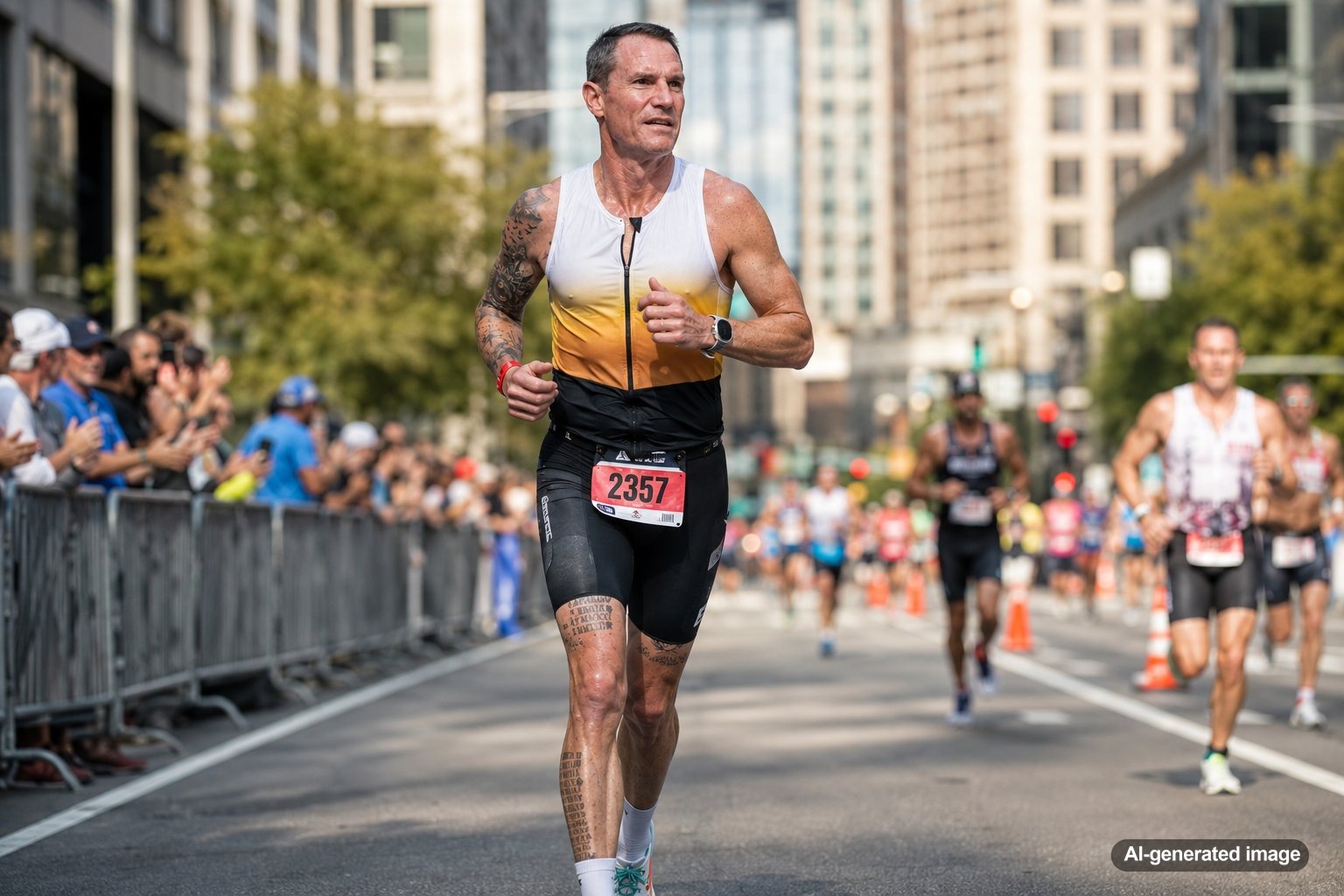
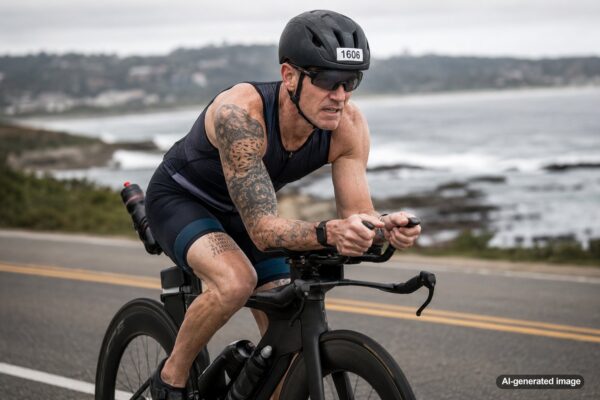
Completing an Ironman once demands preparation, patience, and a willingness to keep moving when comfort disappears. Returning to the challenge again and again reveals something deeper: resilience is not a personality trait reserved for unusually tough people. It is a practice built through thousands of decisions made before, during, and after difficult moments.
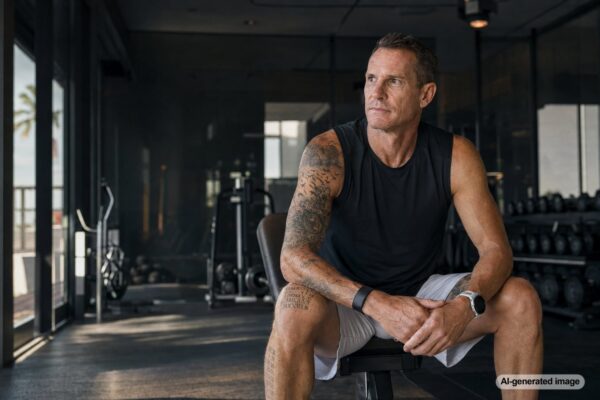
Greg Schaefer’s experience as a 19-time Ironman competitor offers lessons that reach far beyond a racecourse. His perspective also reflects the demands of entrepreneurship, family life, advocacy, and navigating unexpected adversity. The common thread is not perfection. It is the ability to respond, adjust, and take one more step.
Quick answer
- Resilience is built through preparation, not improvised only when trouble arrives.
- Strong competitors adjust the plan without abandoning the goal.
- Progress often comes from controlling effort rather than chasing intensity.
- Support systems are part of strength, not evidence of weakness.
- A difficult result can become useful when it is reviewed honestly.
Resilience begins before the difficult moment
Race-day resilience is often misunderstood as the ability to suffer longer than everyone else. In reality, much of it is developed months earlier. Training creates familiarity with discomfort, but it also builds routines for nutrition, pacing, equipment checks, recovery, and decision-making.
The same principle applies in business and life. People are more capable under pressure when they have already established dependable habits. A leader who communicates clearly during ordinary weeks is better prepared to guide a team through uncertainty. A family that talks honestly before a crisis is better equipped to support one another when circumstances change.
Preparation cannot eliminate adversity, but it can reduce the number of decisions that must be made while tired, stressed, or emotional. That creates room for a calmer response.
Adjusting the plan is not the same as quitting
Endurance events rarely unfold exactly as expected. Weather shifts. Equipment behaves differently. Energy levels change. A pace that felt manageable early may become unsustainable later. Experienced competitors learn to separate the goal from the original plan.
This distinction matters. Quitting means walking away from the objective without a compelling reason. Adjusting means protecting the objective by changing the route. Slowing down, changing nutrition, shortening a stride, or resetting expectations can be the decision that keeps an athlete moving.
In leadership, the equivalent might be changing a timeline, reallocating resources, or admitting that an early assumption was wrong. Resilient people do not cling to a failing plan simply to appear consistent. They stay committed to the mission while remaining flexible about the method.
Control effort before effort controls you
One of the hardest lessons in endurance racing is that early excitement can create late consequences. The opening miles often feel easier than they should. Adrenaline can disguise effort, and competitors may be tempted to prove their fitness too soon.
Resilience requires restraint. The strongest decision is not always to push harder. Sometimes it is to protect energy, maintain form, and stay within a sustainable range. This is disciplined confidence rather than hesitation.
The lesson translates directly to ambitious professionals. Constant urgency can look like commitment, but it often reduces judgment and recovery. Sustainable performance comes from knowing when to accelerate, when to hold pace, and when to recover before the next demanding stretch.
Break an overwhelming challenge into smaller decisions
An Ironman can feel impossible when considered only as one massive event. It becomes more manageable when divided into smaller assignments: reach the next buoy, complete the next section of the bike course, get through the next aid station, or run to the next visible marker.
This does not minimize the difficulty. It gives the mind a useful target. When the full distance feels too large, the next specific action can still feel possible.
The same approach can help during a major business transition, a personal setback, or a season of uncertainty. Instead of trying to solve everything at once, identify the next responsible decision. Make the call. Finish the meeting. Ask for help. Complete the next hour with intention. Forward motion is often built from actions that appear modest in isolation.
Support is a performance advantage
No endurance athlete truly reaches a start line alone. Family members, training partners, coaches, medical professionals, volunteers, friends, and race organizers all contribute to the journey. The individual may cross the finish line, but the effort is supported by a wider community.
Resilience becomes more sustainable when people stop treating independence as the highest form of strength. Asking for perspective can prevent a poor decision. Accepting encouragement can restore focus. Letting others contribute can deepen trust instead of diminishing personal responsibility.
This principle is especially important for leaders. Teams perform better when support moves in both directions. A leader who receives honest input, shares pressure appropriately, and acknowledges the contributions of others creates a healthier form of endurance.
Use setbacks as information
Not every race produces the desired result. Sometimes the lesson comes from a missed goal, a difficult section, a pacing mistake, or a day when the body and mind do not cooperate. Resilience does not require pretending the disappointment does not matter.
A useful post-race review asks specific questions. What worked? What changed? Which decisions helped? Where did emotion override judgment? What should be repeated, removed, or adjusted next time?
This approach turns disappointment into usable information. It also keeps failure from becoming an identity. A result describes what happened on a particular day. It does not define the full capability, character, or future of the person who experienced it.
Identity must be larger than the outcome
Competitive goals can be meaningful, but they become dangerous when self-worth depends entirely on a finish time, title, transaction, or public result. Endurance racing offers a powerful reminder that achievement is only one part of a larger life.
Greg’s story exists at the intersection of athletics, business leadership, family, advocacy, and service. That broader identity matters because difficult seasons can temporarily change what a person is able to do. They do not erase who that person is or what they can still contribute.
Resilient people remain connected to values that survive changing circumstances: integrity, responsibility, love, courage, curiosity, and purpose. These values provide direction when familiar measures of success become uncertain.
What people often miss about resilience
- Resilience is not constant positivity. Honest frustration and disappointment can exist alongside determination.
- Resilience is not reckless persistence. Continuing wisely may require slowing down, changing course, or seeking professional support.
- Resilience is not isolation. Strong support systems can improve judgment, consistency, and emotional endurance.
- Resilience is not one dramatic decision. It is usually built through ordinary choices repeated over time.
How to apply these lessons away from the racecourse
Start by choosing one challenge that currently feels larger than your available energy. Define the broader goal, then identify the next controllable action. Decide what pace is sustainable, what support would improve the process, and which assumptions may need to change.
It may also help to establish a simple review rhythm. At the end of each week, note what created momentum, what drained it, and what should be adjusted. This turns resilience into an active operating practice rather than a quality you hope will appear under pressure.
For organizations and teams, these lessons can shape healthier performance cultures. Clear preparation, adaptable plans, measured effort, shared support, and honest debriefs help people remain effective when conditions become difficult. Greg brings these themes to life through his speaking work, connecting endurance, leadership, adversity, and purposeful forward motion.
Frequently asked questions
What does Ironman training teach about resilience?
It teaches that resilience is developed through consistent preparation, realistic pacing, adaptability, recovery, and the ability to focus on the next manageable action.
Is resilience the same as mental toughness?
They overlap, but resilience is broader. Mental toughness often describes the ability to remain focused under pressure. Resilience also includes recovery, flexibility, support, honest reflection, and rebuilding after setbacks.
Can resilience be learned?
Yes. People can strengthen it by practicing manageable challenges, creating reliable routines, reviewing setbacks constructively, and building supportive relationships.
How can leaders apply endurance lessons at work?
Leaders can prepare before problems arise, manage pace during demanding periods, adjust plans when conditions change, and create a culture where teams can communicate honestly about risks and setbacks.
What is the most important resilience lesson from endurance competition?
The most important lesson may be that forward motion does not always look dramatic. Progress can mean slowing down, asking for help, changing the plan, or simply taking the next responsible step.
Interested in bringing Greg’s message to your event or organization?
Learn more about Greg’s speaking work or get in touch to start the conversation.
Contact Greg or learn more about the Forward Motion Fund.
This article is for educational purposes only and is not medical advice. For diagnosis, treatment, or personalized medical guidance, please speak with a qualified healthcare professional.