

How To Stay Active And Athletic After A Parkinson’s Diagnosis
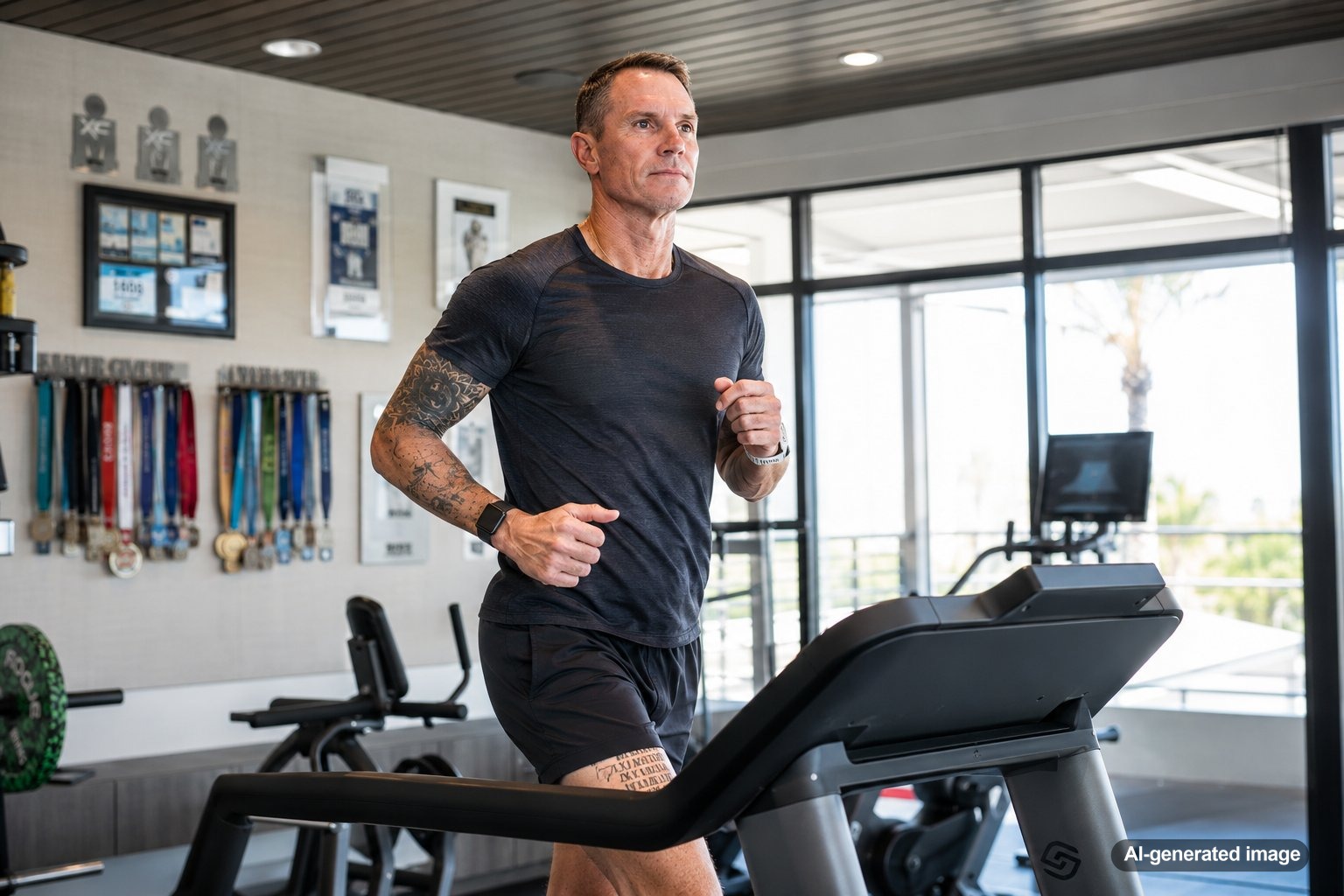
Staying active after a Parkinson’s diagnosis is not about pretending nothing has changed. It is about learning how to keep moving with more awareness, better support, and a stronger respect for the body you are living in now. For many people, movement becomes more than exercise. It becomes structure, confidence, identity, and a way to stay connected to life.
Greg Schaefer’s story lives in that space between reality and forward motion. As a dad, husband, CEO, speaker, 20-time Ironman, and someone living with Young-Onset Parkinson’s, his message is not that every day feels easy. It is that the next step still matters. You can learn more about his broader story on the About Greg page.
Quick answer: can you stay active and athletic after a Parkinson’s diagnosis?
Yes, many people can stay active after a Parkinson’s diagnosis, but the approach should be thoughtful, individualized, and guided by qualified medical professionals. Athleticism may look different over time, but movement can remain a powerful part of life.
- Start with medical guidance. A neurologist, physical therapist, or Parkinson’s-informed clinician can help you understand what is safe for your specific situation.
- Prioritize consistency over intensity. Regular movement often matters more than proving toughness in a single workout.
- Train multiple systems. Aerobic fitness, strength, mobility, balance, coordination, and recovery all matter.
- Adapt without surrendering your identity. The goal is not to stop being athletic. The goal is to become a smarter, more supported version of yourself.
- Build a team around you. Family, coaches, clinicians, training partners, and community can make staying active more sustainable.
Start with the difference between movement and performance
After diagnosis, one of the most important shifts is separating movement from performance. Movement is the daily practice of keeping the body engaged, mobile, strong, and responsive. Performance is a specific outcome: a race, a pace, a weight, a finish line, a ranking, or a personal record.
Both can still matter. But if performance is the only measure, Parkinson’s can make every change feel like a loss. When movement becomes the foundation, you create room for adaptation. Some days may be about endurance. Some days may be about strength. Some days may be about stretching, walking, balance work, or simply showing up for a shorter session than planned.
That distinction is not lowering standards. It is protecting the long game. Athletic people often know how to push. The harder lesson can be learning when to adjust, recover, ask for help, or choose a smarter version of the workout.
Build a well-rounded exercise foundation
Parkinson’s affects people differently, so no single routine fits everyone. Still, major Parkinson’s organizations consistently emphasize the value of regular, varied exercise as part of living well with the disease. A useful routine often includes several categories rather than one favorite activity repeated endlessly.
- Aerobic training: Walking, cycling, swimming, rowing, hiking, running, or other sustained movement can support cardiovascular fitness and stamina.
- Strength training: Resistance work may help preserve muscle, posture, functional independence, and confidence in daily tasks.
- Mobility and flexibility: Stretching and mobility work can help counter stiffness and support more comfortable movement patterns.
- Balance and coordination: Parkinson’s can affect balance, gait, and movement timing, so these skills deserve intentional practice.
- Recovery: Sleep, rest days, hydration, nutrition, and stress management are part of training, not signs of weakness.
A Parkinson’s-informed physical therapist can be especially helpful because they can evaluate gait, balance, fall risk, mobility, strength, and functional movement. That kind of guidance can help turn a vague instruction like “exercise more” into a realistic plan.
Respect symptoms without letting them define the whole story
Symptoms can fluctuate. Medication timing, fatigue, stress, sleep quality, stiffness, tremor, balance changes, and other factors may affect how a workout feels. That does not mean activity has to stop, but it does mean the plan should have room for real-life variation.
For example, a person who feels strongest at a certain time of day may schedule more demanding workouts during that window. Someone noticing more balance difficulty may shift from outdoor runs to a treadmill, stationary bike, pool, or supervised strength session. A person who feels discouraged by slower paces may use time-based workouts instead of distance-based goals.
The key is to notice patterns without turning every symptom into a verdict. Parkinson’s may change the training conversation, but it does not erase the athlete, leader, parent, partner, or whole person inside it.
Make safety part of the athlete mindset
Many driven people hear “safety” and think it means caution at the expense of ambition. In reality, safety is often what allows ambition to continue. A safer plan can make it possible to train more consistently, stay engaged longer, and reduce preventable setbacks.
Useful safety choices may include warming up longer, practicing balance near support, using well-lit routes, choosing shoes carefully, avoiding risky terrain when symptoms are active, training with a partner, and keeping communication open with clinicians. For people pursuing endurance events, strength challenges, or high-volume training, it is especially important to discuss plans with the care team.
There is also emotional safety in being honest. You do not need to minimize fear, frustration, or grief in order to be strong. Strength can look like telling the truth, making a plan, and taking the next step anyway.
Redefine athletic goals around progress, presence, and purpose
After diagnosis, athletic goals may need to become more layered. A goal can still be a race, a hike, a long ride, a gym milestone, or a finish line. It can also be staying consistent for a month, improving balance, rebuilding confidence after a hard stretch, or creating a weekly routine that supports family life and work.
For some people, the most powerful athletic goal is no longer proving what the body can do at its peak. It is building a relationship with movement that can survive change. That takes humility, discipline, and patience.
Greg’s phrase, One More Step… Just One More, fits here because it is not a slogan about ignoring reality. It is a practical way to shrink the distance between where you are and what comes next. One appointment. One workout. One walk. One honest conversation. One modified plan. One more start line.
What people often miss
- Athletic identity can evolve. You may still be an athlete even if your training changes.
- Support is not a downgrade. A clinician, coach, partner, or group can help you stay active more intelligently.
- Small routines matter. Daily mobility, posture work, walking, or balance practice can be meaningful even when it does not look dramatic.
- Community helps fight isolation. Training with others can support accountability, mood, and connection.
- Hope should be grounded. Staying active is not a cure, but it can be part of a strong, engaged life with Parkinson’s.
FAQ
Should someone with Parkinson’s exercise every day?
Many people benefit from regular movement, but the right frequency, intensity, and type of exercise should be individualized. Some days may involve structured training, while others may focus on walking, stretching, balance, or recovery. A qualified healthcare professional can help tailor the plan.
Can someone still do endurance sports after a Parkinson’s diagnosis?
Some people continue endurance activities after diagnosis, but it depends on symptoms, fitness history, safety considerations, medical guidance, and the type of event. Endurance training may need adjustments around fatigue, balance, hydration, medication timing, recovery, and support.
What kind of exercise is best for Parkinson’s?
There is no single best exercise for everyone. A well-rounded approach often includes aerobic exercise, strength training, balance work, flexibility, mobility, and coordination. Enjoyment matters too, because the best plan is usually the one a person can sustain safely.
How can family members support someone who wants to stay active?
Support can include encouragement without pressure, joining walks or workouts, helping with transportation, respecting energy changes, celebrating consistency, and listening when the person needs to adapt. The goal is to support independence and dignity, not take over.
When should someone seek professional exercise guidance?
Professional guidance is especially important after diagnosis, after a fall, when balance changes appear, when symptoms shift, before starting intense training, or when exercise feels confusing or unsafe. A Parkinson’s-informed physical therapist can be a valuable resource.
Staying active is also a message
For people living with Parkinson’s, movement can become a private practice and a public statement. It can say, “I am still here.” It can say, “I am learning how to move forward.” It can say, “My diagnosis is part of my story, but it is not the whole story.”
That is also why Greg’s work as a speaker connects with organizations, teams, athletes, leaders, and families. His message is not about easy inspiration. It is about what people do when life changes and they still have responsibilities, relationships, goals, and purpose. To explore bringing that message to an event or organization, visit Greg’s speaking page.
Interested in bringing Greg’s message to your event or organization?
Learn more about Greg’s speaking work or get in touch to start the conversation.
Contact Greg or learn more about the Forward Motion Fund.
This article is for educational purposes only and is not medical advice. For diagnosis, treatment, or personalized medical guidance, please speak with a qualified healthcare professional.


