
How To Transition From Olympic Distance To Ironman 70.3 Successfully
Moving from an Olympic-distance triathlon to an Ironman 70.3 is not simply a matter of doing more miles. The longer race changes how you must pace, fuel, recover, and make decisions when fatigue begins to build. Your Olympic-distance experience gives you a valuable foundation, but success at 70.3 requires a more patient and sustainable approach.
The goal is not to turn every week into an endurance test. It is to gradually prepare your body, schedule, equipment, and mindset for a 1.2-mile swim, 56-mile bike ride, and 13.1-mile run. Greg Schaefer’s experience as a 20-time Ironman reflects the value of disciplined preparation, adaptability, and taking the next useful step rather than chasing one heroic workout. You can learn more about his broader journey on the About Greg page.
Quick answer
- Build training volume gradually instead of extending every workout at once.
- Make the bike your endurance foundation because it is the longest portion of the race.
- Practice fueling and hydration during training until the routine feels familiar.
- Use controlled pacing so you can begin the run with enough energy to compete well.
- Protect recovery with easier days, sleep, mobility work, and realistic scheduling.
Understand what changes at the 70.3 distance
An Olympic triathlon rewards speed, fitness, and the ability to tolerate a relatively high effort for several hours. Ironman 70.3 rewards those qualities too, but it adds a larger cost for impatience. A pace that feels manageable early can become unsustainable later, especially if you ride too aggressively or neglect nutrition.
The biggest shift is that execution matters almost as much as fitness. You need to manage effort across three disciplines while continuing to eat, drink, stay composed, and respond to changing conditions. Instead of asking, “How fast can I go right now?” you begin asking, “What effort can I sustain while protecting the next part of the race?”
This longer horizon also changes training. Your plan must develop durability, not just peak speed. Durability is the ability to maintain useful form, sound judgment, and steady output after several hours of movement.
Increase volume without losing consistency
The safest and most productive transition is usually gradual. Trying to double your weekend mileage or add long sessions to every discipline at the same time can create fatigue that disrupts the rest of the week. A better approach is to extend one or two key sessions while keeping much of your existing routine recognizable.
For many athletes, the long ride becomes the primary endurance session. The long run also grows, but it does not need to match the bike’s rate of increase. Swimming can develop through consistent frequency, improved technique, and selected longer sets rather than one exhausting weekly session.
Build around repeatable weeks
A successful week is not the one with the most impressive single workout. It is the one you can absorb and follow with another productive week. Before adding volume, consider whether you are completing your current sessions with reasonable energy, recovering between key workouts, and maintaining acceptable sleep and daily function.
When the answer is no, more training is rarely the first solution. You may need to adjust intensity, simplify the schedule, or strengthen recovery habits before extending distance.
Make the bike your endurance foundation
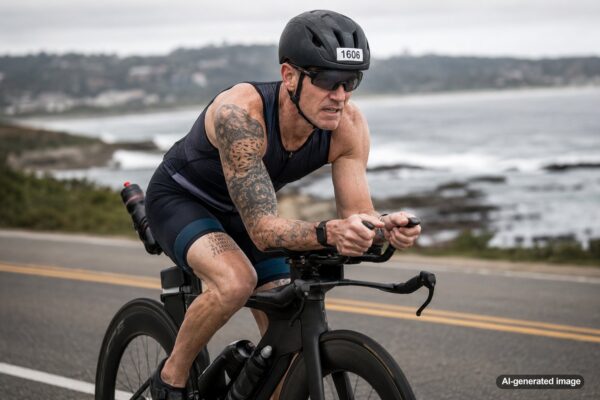
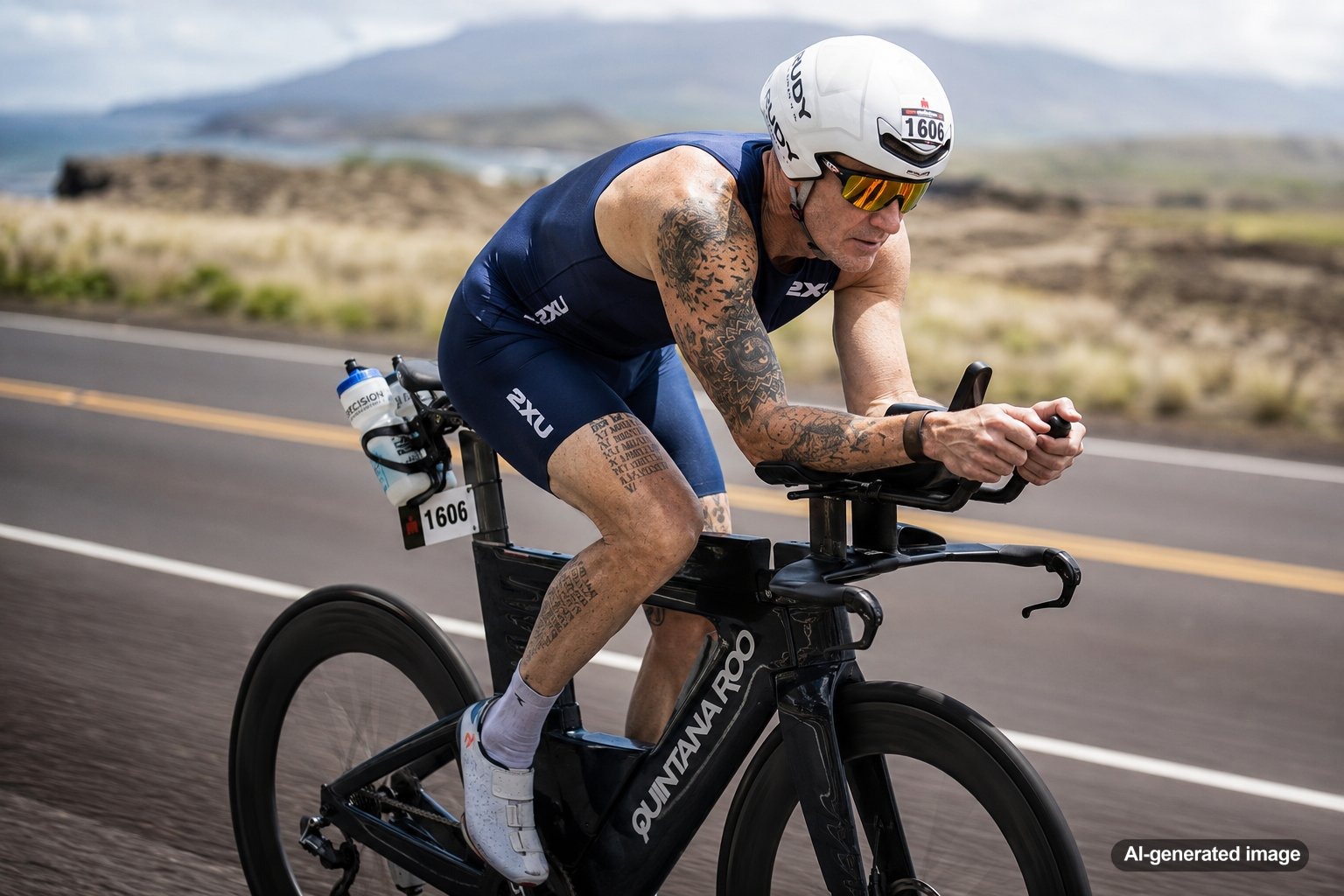
The 56-mile bike leg shapes much of the Ironman 70.3 experience. It is long enough to expose weaknesses in position, pacing, fueling, equipment setup, and muscular endurance. It also determines how prepared you will be to run afterward.
Use long rides to develop steady output rather than chasing speed from the opening miles. Practice holding an effort that feels controlled, especially on hills and into headwinds. Many athletes lose time later because they spend too much energy responding to terrain, passing other riders, or pursuing an average speed that does not reflect the day’s conditions.
Your long rides should also test practical details. Pay attention to saddle comfort, hand position, neck tension, shoe pressure, bottle access, and where you carry nutrition. A small irritation at Olympic distance can become a major distraction over 56 miles.
Learn to run well after a longer ride
The half-marathon is not an isolated running event. It begins after you have already been racing for hours. Your run preparation must therefore include both independent run development and carefully planned brick sessions.
Brick workouts do not always need to be long. A short, controlled run after a substantial ride can teach your body and mind how to settle into form when your legs feel unfamiliar. Focus first on rhythm, posture, cadence, and restraint. The opening miles of the run should feel almost too controlled.
Long standalone runs still matter because they build aerobic endurance and running durability without the same total stress as a full race simulation. Avoid turning every long run into a pace test. Most of the benefit comes from consistent time on your feet, efficient form, and the ability to finish without falling apart.
Practice fueling before race day
At Olympic distance, some athletes can get through the race with a basic hydration plan and limited calories. That approach becomes much less reliable at Ironman 70.3. The longer event requires a fueling strategy that supports steady energy without creating unnecessary stomach distress.
Begin practicing early in the training cycle. Use long rides to test what you can comfortably consume, how frequently you need to eat or drink, and which products are easy to handle while moving. Then confirm that your approach still works during race-specific rides and brick sessions.
Do not judge a fueling plan only by whether it works once. Heat, intensity, nerves, and pre-race meals can change how your body responds. Repetition helps you identify a flexible range rather than relying on one rigid formula.
What athletes often miss
- Fueling starts before hunger: Waiting until energy drops can make it difficult to recover during the race.
- The bike must support the run: A fast bike split has limited value if it leaves you unable to run effectively.
- Equipment comfort is performance: Position problems and hot spots consume energy and attention.
- Recovery is part of the plan: Fitness develops when training stress is followed by enough restoration.
Train your pacing discipline
Ironman 70.3 pacing often feels conservative at first. That is part of the challenge. Race excitement, fresh legs, crowds, and other competitors can make a sensible effort feel too easy. The athlete who remains patient is often in a stronger position during the final third of the race.
Use training to recognize sustainable effort through more than one metric. Heart rate, power, pace, breathing, perceived exertion, and terrain all provide useful information. No single number tells the whole story, especially when conditions change.
Practice backing off before you are forced to. Ease the effort on steep climbs, settle after surges, and resist the temptation to turn ordinary training days into competitions. Discipline at the beginning creates options later.
Strengthen transitions and race logistics
The longer race introduces more equipment, nutrition, and decision points. Transition practice can reduce avoidable stress and help you conserve mental energy. Rehearse how you will organize your gear, mount and dismount safely, change shoes, manage sunscreen, and carry what you need.
Develop a simple checklist for race morning and transition setup. Include essential equipment, nutrition, hydration, clothing, timing chip, goggles, helmet, shoes, and weather-specific items. Simplicity is useful because race-day nerves can make even familiar tasks feel less automatic.
Training events or lower-priority races can provide valuable rehearsal. Use them to test your process without treating every result as a final judgment of fitness.
Protect recovery as training grows
A 70.3 plan must fit into a real life that may include work, family, travel, and other responsibilities. Training volume is only productive when you can recover from it. Persistent exhaustion, worsening sleep, unusual irritability, declining performance, or recurring pain can be signs that the plan needs adjustment.
Schedule easier days with the same seriousness as key workouts. Maintain regular sleep when possible, eat enough to support training, and use mobility or strength work to address the demands of repetitive movement. A qualified coach can help balance training load with your experience, schedule, and goals.
Adaptation is not weakness. It is a core endurance skill. Greg’s work across athletics, business, family, and advocacy is grounded in continuing forward while respecting reality. That perspective also informs the themes he brings to organizations through his speaking work.
Use a race-specific rehearsal
Several weeks before the event, complete a controlled rehearsal that combines important pieces of your race plan. This does not need to reproduce the full distance. The purpose is to test pacing, fueling, equipment, clothing, transitions, and mental focus under meaningful fatigue.
Choose terrain and conditions that resemble the event when possible. Ride in your intended race setup, follow your planned nutrition schedule, and run afterward at a restrained effort. Record what worked, what felt awkward, and what should change.
A rehearsal should build confidence through information, not leave you depleted for days. Finish with the sense that you understand your plan better, not that you have already raced your race.
Expect the transition to challenge your mindset
Long-course racing creates stretches when motivation changes, discomfort grows, and the finish still feels far away. Mental preparation is not about pretending those moments will not happen. It is about having a useful response when they do.
Break the race into manageable segments. Focus on the next buoy, the next section of road, the next aid station, or the next mile. Return to controllable actions such as posture, breathing, cadence, fueling, and effort. Greg’s core message, “One More Step… Just One More,” reflects this practical form of resilience. Forward motion is often built through the next decision rather than one dramatic breakthrough.
Race day may not follow the exact script you imagined. Weather can change. Equipment can misbehave. Your legs may feel different than expected. The goal is to remain calm enough to solve the problem in front of you.
Common mistakes when moving up to 70.3
- Adding too much volume too quickly: Rapid increases can reduce consistency and make recovery difficult.
- Riding at Olympic-distance intensity: An aggressive bike leg can compromise the half-marathon.
- Skipping nutrition practice: A plan that exists only on paper is not a tested plan.
- Ignoring position and equipment issues: Minor discomfort often grows with time.
- Racing every training session: Constant intensity can prevent the development of sustainable endurance.
- Copying another athlete’s schedule: Training must account for your background, available time, recovery, and goals.
Frequently asked questions
How long does it take to move from Olympic distance to Ironman 70.3?
The timeline varies based on current fitness, injury history, training consistency, available time, and race goals. An athlete who already trains regularly across all three disciplines may need a shorter progression than someone returning after a break. Choose a schedule that allows gradual development rather than forcing the race into an unrealistic calendar.
Do I need to complete the full 70.3 distance in training?
Most athletes do not need to complete the entire race distance in one training day. Long rides, long runs, brick sessions, open-water practice, and race-specific rehearsals can build readiness without reproducing the full event and its recovery cost.
Should I focus more on speed or endurance?
Both matter, but sustainable endurance and pacing usually deserve greater emphasis during the transition. Shorter intensity sessions can remain in the plan, while longer controlled sessions build the durability needed to maintain performance across the full race.
How important is open-water swimming?
Open-water practice can help you become more comfortable with sighting, variable conditions, group swimming, and continuous effort. Practice in an appropriate environment with suitable safety support rather than swimming alone.
Should I hire a triathlon coach?
A coach may be helpful if you need structure, individualized pacing guidance, accountability, or help balancing training with recovery and other responsibilities. Look for someone who understands your experience level, communicates clearly, and adapts the plan when circumstances change.
The bottom line
Transitioning from Olympic distance to Ironman 70.3 successfully requires more than adding miles. Build volume gradually, develop bike durability, practice running under fatigue, test your nutrition, control your early effort, and protect recovery. The strongest plan is one you can execute consistently while learning how your body and mind respond to longer training.
Approach the process with patience. Each long ride, controlled brick, practiced bottle handoff, and well-timed recovery day contributes to the final result. You do not need to master the entire distance at once. Keep making the next useful decision and take one more step.
Interested in bringing Greg’s message to your event or organization?
Learn more about Greg’s speaking work or get in touch to start the conversation.
Contact Greg or learn more about the Forward Motion Fund.
This article is for educational purposes only and is not medical advice. For diagnosis, treatment, or personalized medical guidance, please speak with a qualified healthcare professional.