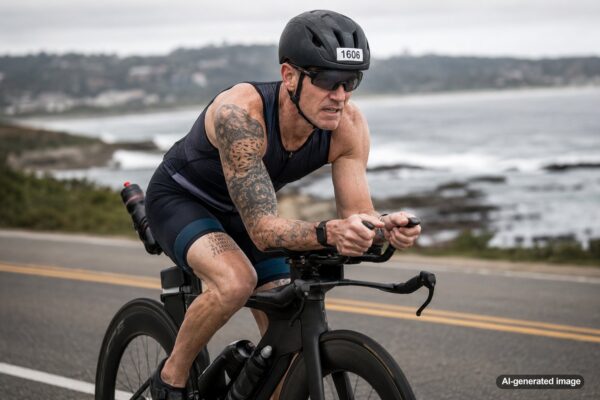

How Triathlon Cycling Builds Mental Discipline Over Long Miles
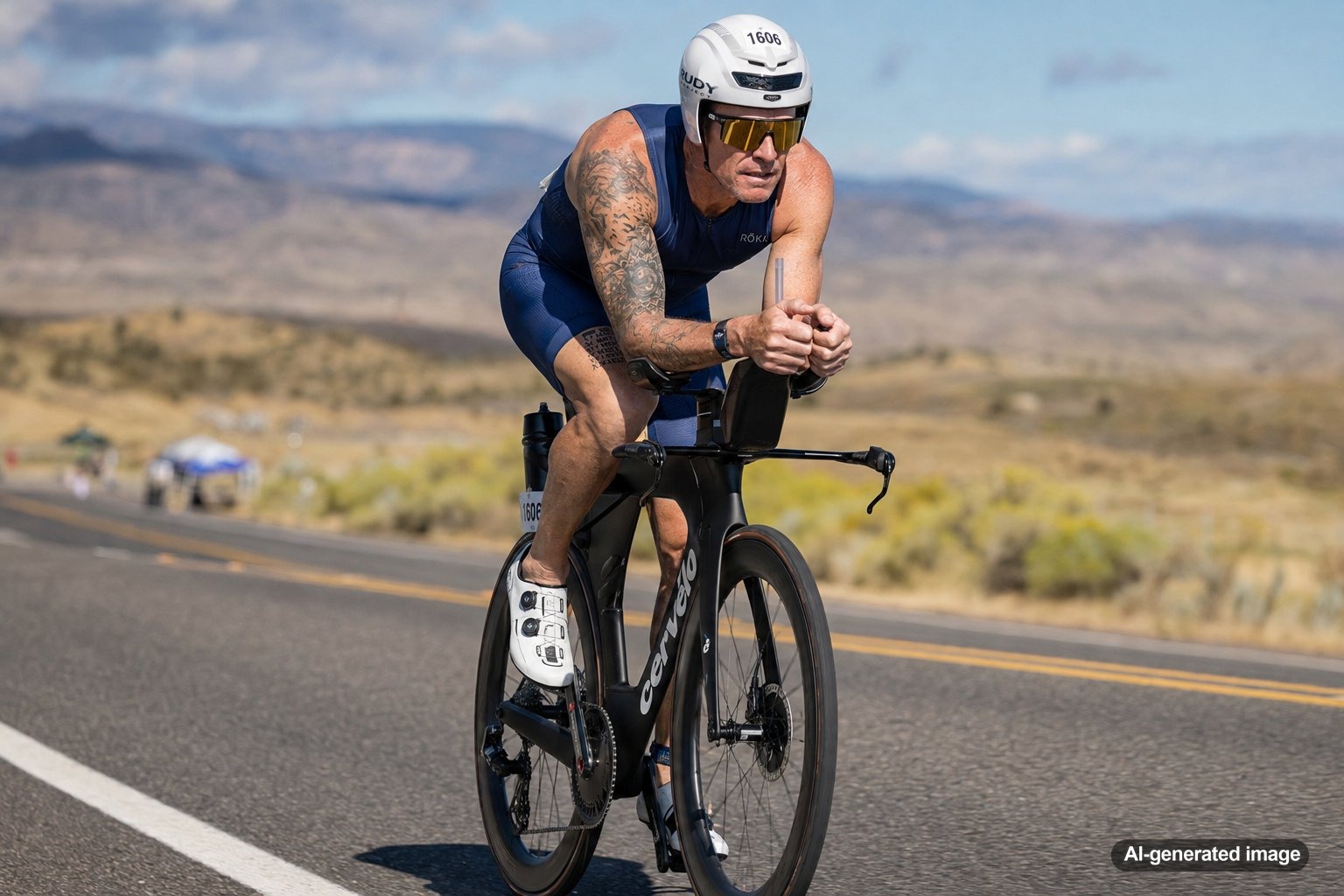
Triathlon cycling builds mental discipline because it asks an athlete to stay patient, focused, and deliberate long after the excitement of the start has faded. On a long bike course, strength matters, but strength without restraint can become a liability. The athlete must manage effort, respond to changing conditions, fuel consistently, and protect enough energy for the run still ahead.
Greg Schaefer has encountered that challenge across 20 Ironman finishes. His broader experience as a husband, dad, business leader, athlete, and advocate reinforces the same lesson: progress often depends on making sound decisions when fatigue, discomfort, and uncertainty are competing for attention. You can learn more about the experiences shaping his perspective on the About Greg page.
Quick answer
Long-distance triathlon cycling develops mental discipline by requiring athletes to:
- Control their pace instead of chasing every surge or passing rider.
- Maintain focus through repetitive miles and changing conditions.
- Respond to discomfort without letting it dictate every decision.
- Follow a fueling and hydration plan even when appetite or enthusiasm fades.
- Adapt calmly when weather, equipment, or race dynamics disrupt the original plan.
The bike leg rewards restraint, not just power
Many sports celebrate immediate intensity. Triathlon cycling often rewards something quieter: disciplined restraint. An athlete may feel excellent during the opening miles, especially after leaving the water and settling onto the bike. The temptation is to capitalize on that energy by riding harder than planned.
The problem is that an early surge can create consequences much later. A pace that feels manageable for 20 minutes may be expensive over several hours. The bike leg also sits in the middle of the race. Every decision has to account for the run that follows.
This creates a valuable mental pattern. The athlete learns to distinguish between what feels exciting now and what supports the larger objective. Holding back is not a lack of ambition. It is evidence that the athlete understands the assignment.
Long miles train sustained attention
Mental discipline is sometimes mistaken for a dramatic burst of willpower. Long-course cycling reveals a less glamorous version: returning attention to the right task hundreds of times.
During a ride, attention can drift toward the distance remaining, another athlete’s pace, a missed target, an uncomfortable body position, or an unfavorable wind. None of those thoughts is automatically harmful. The problem begins when one thought takes over the entire ride.
Disciplined athletes narrow their attention to manageable responsibilities:
- Hold an appropriate effort.
- Stay aware of traffic, course markings, and nearby riders.
- Eat and drink according to the plan.
- Monitor equipment without obsessing over every sound.
- Maintain efficient form.
- Reach the next course marker with energy still under control.
The mind will wander. Discipline is the practiced ability to bring it back.
Discomfort becomes information rather than a command
Long rides involve discomfort. Muscles tire, the riding position can become demanding, and conditions may change throughout the course. Mental discipline does not require pretending those signals are absent. It requires interpreting them carefully.
An athlete can ask: Is this expected fatigue, a correctable issue, or a warning that calls for a safer response? That distinction matters. Ignoring every signal is recklessness, not toughness. Reacting dramatically to every uncomfortable moment can be equally unhelpful.
The useful middle ground is composed awareness. The athlete notices the problem, considers available adjustments, and chooses the next sensible action. That might mean changing position, easing the effort, taking in nutrition, checking equipment, or stopping when safety requires it.
This habit extends beyond racing. In leadership, family life, and adversity, an uncomfortable feeling deserves attention, but it does not always deserve control of the next decision.
Fueling creates a test of consistency
A long bike leg is not managed through effort alone. Athletes also have to stay consistent with the practical work that supports performance. Fueling and hydration are clear examples.
The challenge is rarely understanding that these actions matter. The challenge is continuing to execute when the athlete is busy, tired, distracted, or no longer interested in following the plan. Missing one small action can make the next hour harder, which can then compromise judgment and execution later in the race.
This teaches an important form of discipline: do the useful thing before the situation becomes urgent. The same idea applies when maintaining a business, supporting a family, training for a goal, or advancing a mission. Sustainable progress is often built through small actions completed on schedule, not heroic corrections after preventable problems accumulate.
Changing conditions develop adaptability
No race plan survives contact with every variable. Wind direction can shift. Temperatures can change. A bottle can be lost. An athlete may encounter mechanical trouble, congestion, rough pavement, or a section of the course that feels harder than expected.
Mental discipline is visible in the space between the disruption and the response. An undisciplined reaction may include panic, anger, reckless acceleration, or abandoning the entire plan because one part failed. A more useful response follows a short sequence:
- Identify what actually changed.
- Separate the controllable factors from the uncontrollable ones.
- Make the smallest effective adjustment.
- Return attention to the next task.
Adaptability does not mean lowering standards whenever circumstances become difficult. It means protecting the objective by changing the method when reality demands it.
The bike course exposes ego-driven decisions
Triathlon cycling places athletes near other competitors for long stretches. Someone may pass aggressively. Another rider may appear stronger on a climb. A competitor in the same age group may move ahead. Each moment can feel like an invitation to abandon the plan.
Chasing every rider turns the course into a series of emotional reactions. The disciplined athlete respects the competition while staying accountable to personal pacing, preparation, and race strategy.
There are moments when a tactical response makes sense. The distinction is whether the decision serves the race or merely soothes the ego. That question is useful well beyond sports: Am I responding to the real objective, or am I trying to prove something in this moment?
Mental discipline is built before race day
Athletes do not suddenly acquire patience and composure at the starting line. These qualities are rehearsed during ordinary training sessions.
Practice conservative starts
Begin selected rides at an effort that feels almost too controlled. Notice the urge to speed up prematurely. Learning to tolerate that restraint prepares the mind for the opening miles of a race.
Use process checkpoints
Divide a long ride into segments tied to practical tasks. At each checkpoint, review effort, posture, nutrition, hydration, route awareness, and equipment. This keeps the mind engaged without becoming overwhelmed by the total distance.
Rehearse disruptions
Within safe training conditions, practice reasonable responses to common setbacks. Know how to handle a dropped chain, a lost bottle, an unexpected weather change, or a pace target that no longer fits the day. Preparation reduces the mental energy required when something goes wrong.
Review decisions, not only results
After a ride, avoid judging the session exclusively by speed or distance. Ask where patience held, where attention drifted, and which decisions protected or weakened the overall effort. A slower ride with excellent execution may develop more race-day discipline than a fast ride driven by impulse.
What people often miss about mental toughness
Mental toughness is not constant aggression. On a long bike course, it often looks like patience, awareness, restraint, and repeated follow-through.
An athlete can be deeply competitive while remaining calm. The strongest choice may be maintaining a sustainable effort, taking time to fuel, or adjusting to conditions instead of forcing the original plan. Discipline protects forward motion by keeping emotion from making every decision.
Lessons that carry beyond triathlon
The mental habits developed over long cycling miles have clear parallels in the rest of life. Business leadership requires decisions that serve long-term stability instead of short-term applause. Family responsibilities call for consistency even when energy is limited. Advocacy depends on continuing purposeful work after the initial attention has moved elsewhere.
Greg’s message of taking one more step is grounded in that reality. Forward motion is not always dramatic. Sometimes it is the choice to remain patient, complete the next responsibility, adjust to a difficult condition, and preserve enough strength to continue.
The bike leg makes these principles unusually visible. There is nowhere to hide from impatience, distraction, ego, or poor planning over long miles. There is also an opportunity to practice a better response every time those tendencies appear.
Frequently asked questions
Does long-distance cycling automatically build mental toughness?
No. Distance creates opportunities to practice mental skills, but improvement depends on how an athlete approaches the work. Riding long miles without reflection can reinforce impatience, careless pacing, or inconsistent habits. Purposeful training turns the distance into a mental discipline exercise.
How can beginners practice mental discipline on the bike?
Start with manageable rides and focus on one or two behaviors, such as maintaining an even effort and following a simple hydration plan. The goal is not to create unnecessary suffering. It is to practice calm, repeatable execution as duration gradually increases.
Is mental discipline the same as ignoring pain?
No. Discipline includes awareness and sound judgment. Athletes should learn the difference between ordinary effort-related discomfort and a signal that may require adjustment, rest, or professional evaluation. Safety should not be sacrificed to prove toughness.
Why is pacing so important in triathlon cycling?
The bike leg is only one part of the event, and it comes before the run. An overly aggressive bike effort can leave an athlete unable to execute the remaining race effectively. Pacing requires the athlete to make decisions for the whole event rather than for a single exciting section.
Can these lessons help people who are not triathletes?
Yes. The underlying skills include patience, focus, adaptability, consistent preparation, and long-term decision-making. Those habits can support leadership, personal growth, family commitments, and other demanding goals.
Interested in bringing Greg’s message to your event or organization?
Learn more about Greg’s speaking work or get in touch to start the conversation.
Contact Greg or learn more about the Forward Motion Fund.
This article is for educational purposes only and is not medical advice. For diagnosis, treatment, or personalized medical guidance, please speak with a qualified healthcare professional.