
What Triathlon Teaches You About Handling Pressure
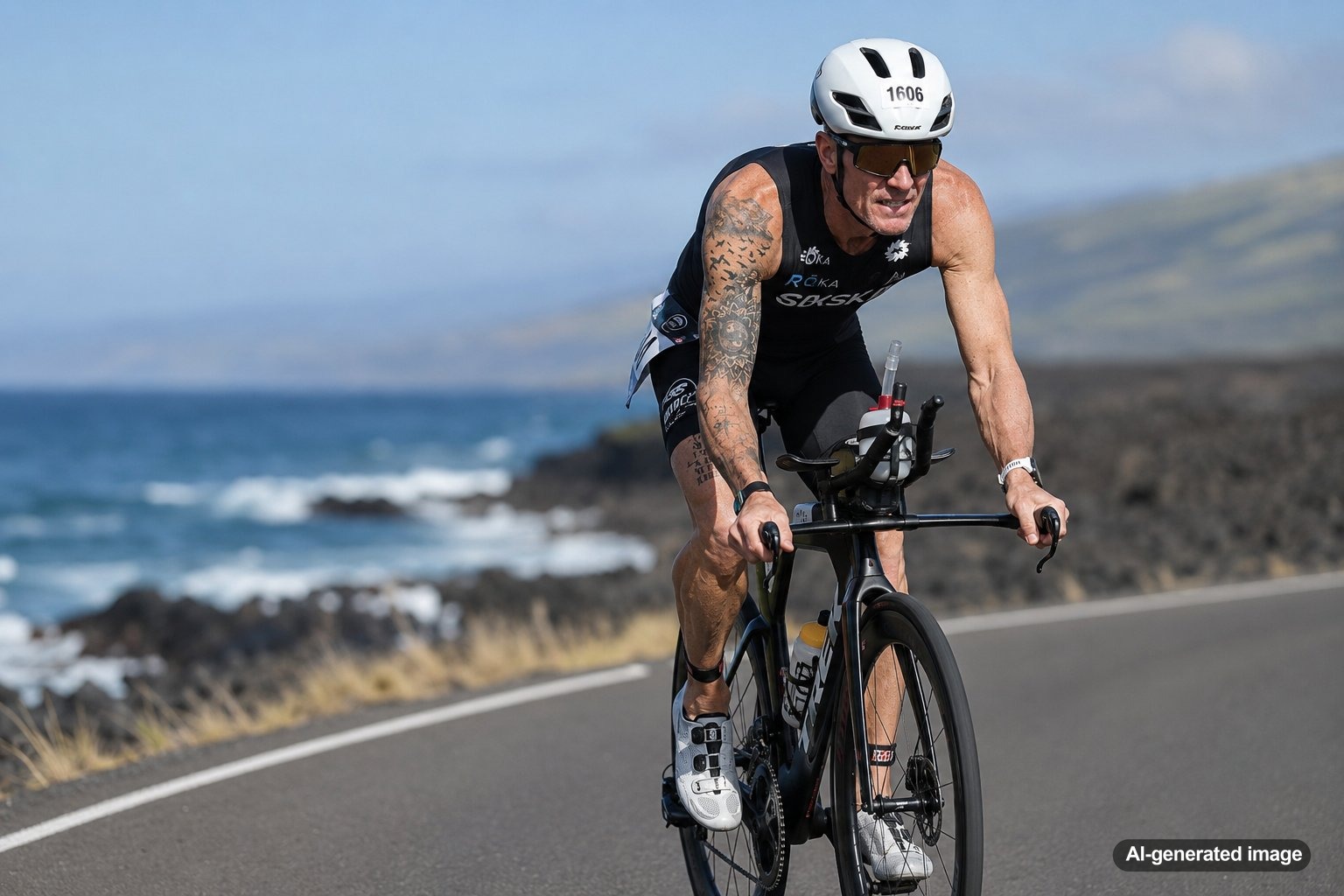
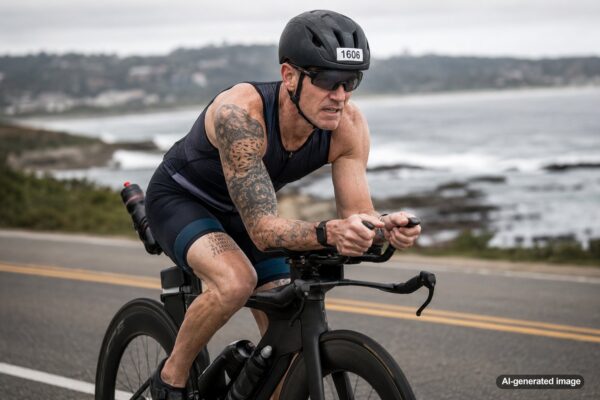
Triathlon has a way of exposing pressure without dressing it up. The water is crowded. The bike course asks for discipline. The run arrives when the body is already negotiating. There are clocks, transitions, weather, nerves, equipment choices, nutrition decisions, and the quiet voice that asks whether you can keep going.
That is what makes the sport such a powerful teacher. It does not remove pressure. It teaches you how to move through it with patience, clarity, and enough humility to adjust when the day stops following the plan. For Greg Schaefer, whose life and work sit at the intersection of family, business leadership, endurance racing, advocacy, and forward motion, triathlon offers lessons that reach far beyond the finish line. You can learn more about that broader story on Greg’s About page.
Quick answer: what triathlon teaches about pressure
- Pressure is easier to handle when you break it into the next manageable step.
- Pacing matters. Going too hard too early can create problems later.
- Preparation builds trust. You cannot control everything, but you can reduce avoidable chaos.
- Adaptability is not weakness. Changing the plan can be the smartest move on the course.
- Recovery is part of performance. Endurance depends on when to push and when to reset.
Pressure feels different when you stop trying to control the whole race
One of the first lessons triathlon teaches is that the full distance can feel overwhelming when you stare at it all at once. The swim, bike, run, transitions, fueling, pacing, and weather can become a mental pileup before the race even begins.
Experienced athletes learn to narrow the frame. Get to the first buoy. Settle into the bike rhythm. Take the next bottle. Find your cadence. Reach the next mile marker. In pressure moments, the mind often wants certainty about the whole outcome. Triathlon teaches a more useful question: what is the next responsible move?
That lesson applies in business, leadership, family life, advocacy, and personal adversity. Pressure becomes less paralyzing when it is translated into action. Not the whole solution. Not the perfect ending. One more step, then one more after that.
Pacing is a form of wisdom
Triathlon rewards courage, but it punishes ego. A strong start can feel impressive until the back half of the race exposes the cost. The athlete who chases every surge, burns through energy too early, or ignores warning signs may pay for it long before the finish line.
Handling pressure often requires the same restraint. A leader under stress may want to respond immediately, fix everything at once, or prove strength by taking on more than is sustainable. A team under pressure may confuse urgency with speed and speed with wisdom.
Pacing does not mean holding back from the work. It means respecting the distance. It means understanding that pressure management is not only about intensity. It is about timing, rhythm, judgment, and the ability to stay effective after the first rush of adrenaline has faded.
Preparation gives you fewer things to panic about
No triathlete can control race-day conditions. Water temperature can shift. Wind can rise. A nutrition plan can feel different under stress. A piece of gear can behave badly at the worst possible moment. Still, preparation matters because it reduces the number of surprises that become emergencies.
Training is not just about fitness. It is about familiarity. You practice transitions so your hands know what to do when your heart rate is high. You test nutrition so race day is not the first experiment. You learn what your mind does when discomfort starts talking loudly.
The same principle applies outside endurance sports. Pressure reveals the quality of your systems. Strong preparation does not guarantee a smooth day, but it gives you something stable to return to when the day gets messy.
Adaptability is a competitive advantage
Pressure often intensifies when reality refuses to match the plan. In triathlon, that can happen quickly. The swim may be choppier than expected. The bike may demand more patience than confidence. The run may become a negotiation instead of a celebration.
The best athletes do not treat adjustment as failure. They read the moment, make decisions, and protect the larger goal. Sometimes that means slowing down to avoid a bigger problem. Sometimes it means changing nutrition, shifting focus, or letting go of a time expectation so the finish remains possible.
This is one of the most overlooked pressure lessons in the sport: rigidity can look strong from the outside, but flexibility often carries people farther. In leadership and life, the ability to adapt without losing direction is one of the clearest marks of resilience.
The transition zones matter
Triathlon has built-in transitions. Swim to bike. Bike to run. Wet to dry. Horizontal to upright. One kind of effort to another. The clock is still running, but the athlete has to shift identity quickly and calmly.
Real life has transition zones too. A founder moves from one season of business to another. A parent moves from work pressure into family presence. A person facing adversity moves from shock into adjustment, then from adjustment into action. These shifts can be easy to underestimate because they are not always the headline moment.
Triathlon teaches that transitions deserve attention. The way you move from one demand to the next can either create unnecessary friction or restore control. Sometimes the most powerful pressure-management skill is not charging harder. It is learning how to shift cleanly.
Discomfort is information, not always instruction
During a long race, discomfort will appear. That does not mean the day is over. It also does not mean every signal should be ignored. The skill is learning how to listen carefully without letting fear or pride take over.
Pressure creates a similar challenge. Stress can make every problem feel urgent. It can also tempt people to dismiss real warning signs because they do not want to appear weak. Triathlon lives in the middle ground. It asks athletes to distinguish between normal difficulty, poor pacing, preventable mistakes, and moments that require support or a changed plan.
That distinction matters. Strong people are not the ones who pretend pressure is not there. They are the ones who can stay honest inside it.
What people often miss about pressure
Pressure is not only about the loud moments. It can show up quietly in the small decisions that accumulate: whether to drink before thirst becomes a problem, whether to settle the breath, whether to stop comparing your race to someone else’s, whether to return to the plan after one imperfect mile.
That is where triathlon becomes such a practical teacher. It shows that resilience is rarely one dramatic act. More often, it is a series of small corrections made before the situation becomes unmanageable.
In Greg’s work as a speaker, athlete, entrepreneur, and advocate, that message carries beyond sport. Pressure is part of life. The question is not whether it will arrive. The question is whether we have trained ourselves to meet it with clarity, purpose, and forward motion. For organizations and teams exploring that message in a live setting, Greg’s speaking page is a helpful place to start.
Practical takeaways from triathlon pressure
- Name the immediate task. Pressure becomes more manageable when the next action is clear.
- Respect the distance. Do not spend all your energy proving intensity in the first mile.
- Train the basics until they are dependable. Under pressure, simple systems matter.
- Adjust without shame. A changed plan can still be a strong plan.
- Recover on purpose. Long-term performance requires renewal, not just output.
FAQ
Why does triathlon build mental toughness?
Triathlon builds mental toughness because it repeatedly places athletes in situations where effort, patience, discomfort, and decision-making overlap. The sport teaches people to keep thinking clearly while the body is tired and the outcome is still uncertain.
How does triathlon help with pressure outside of sports?
Triathlon helps by training habits that transfer well to work and life: pacing, preparation, adaptability, focus, and the ability to break a large challenge into smaller decisions.
Is pressure always a bad thing?
No. Pressure can clarify priorities and reveal strengths, but only when it is managed with awareness. Without pacing, recovery, and support, pressure can become overwhelming or counterproductive.
What is the biggest pressure lesson from endurance racing?
The biggest lesson is that forward motion does not require perfect conditions. It requires presence, adjustment, and the willingness to take the next responsible step.
Interested in bringing Greg’s message to your event or organization?
Learn more about Greg’s speaking work or get in touch to start the conversation.
Contact Greg or learn more about the Forward Motion Fund.
This article is for educational purposes only and is not medical advice. For diagnosis, treatment, or personalized medical guidance, please speak with a qualified healthcare professional.