

What The Best Triathletes Understand About Recovery
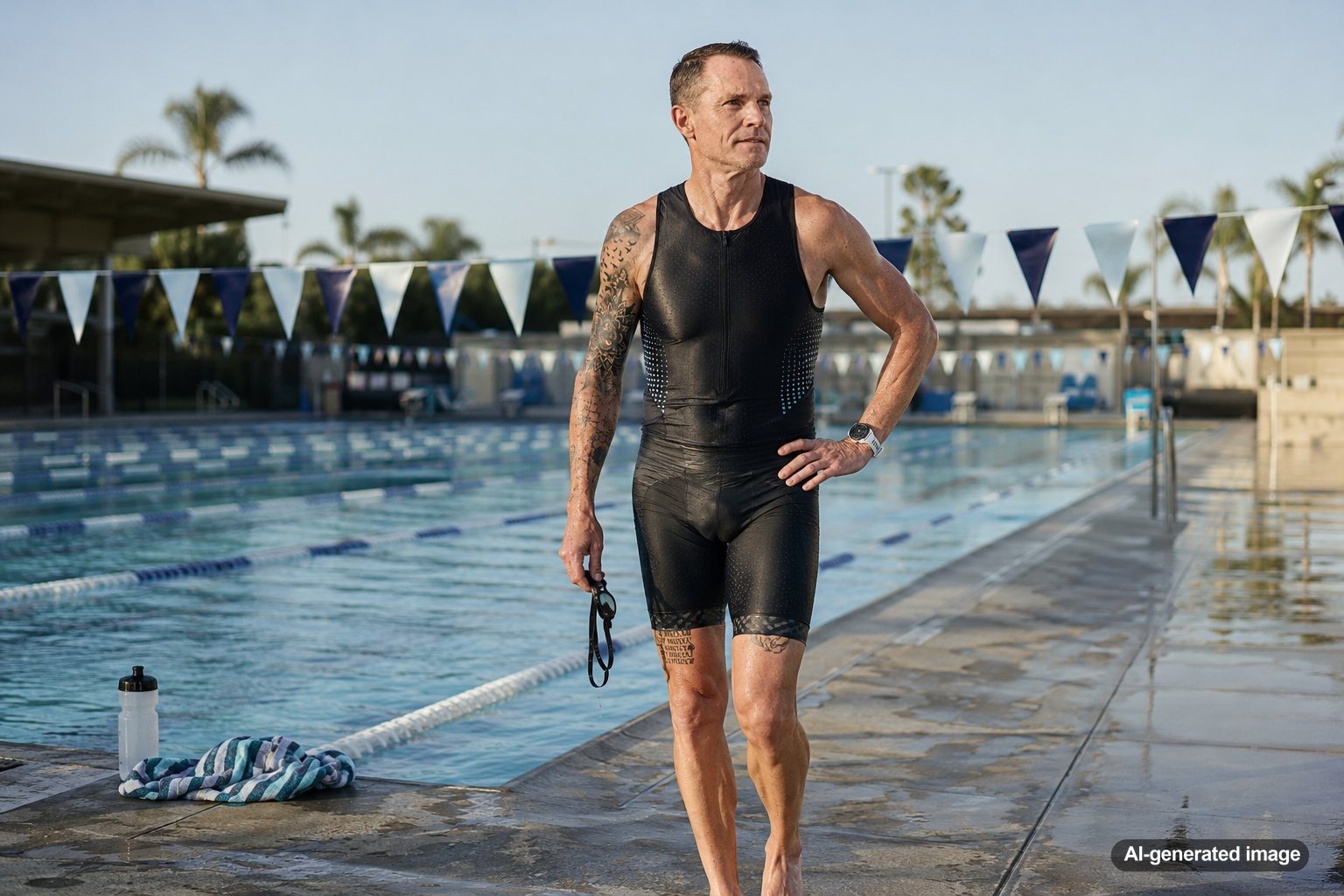
The best triathletes do not treat recovery as the absence of training. They treat it as part of training. Every demanding swim, long ride, hard run, and strength session creates a need for adaptation. Recovery is the space in which that adaptation can take place.
Experienced athletes understand that fitness is not built by collecting the greatest possible number of exhausting sessions. It is built by applying the right stress, absorbing it, and returning ready to do meaningful work again. That approach requires patience, self-awareness, and the discipline to back off before fatigue becomes a larger problem. It is one of the clearest examples of the endurance mindset Greg brings to athletics, leadership, and adversity.
Quick answer
- Recovery is a planned training input, not a reward for finishing the work.
- Sleep, regular nutrition, hydration, and low-intensity movement usually matter more than elaborate recovery gadgets.
- Easy sessions must remain easy enough to restore capacity.
- Recovery needs change with training load, life stress, age, travel, and health.
- The goal is not to feel perfect every day. The goal is to remain consistent across weeks and months.
Recovery is where training becomes fitness
A hard workout can create a powerful training stimulus, but the workout itself is only the beginning of the process. The body still needs time and basic resources before the athlete can benefit from that stress. When demanding sessions are stacked without enough recovery, the athlete may continue working while receiving less value from each workout.
Strong triathletes therefore evaluate sessions by more than distance, pace, power, or duration. They also consider whether the workout fits into the larger training cycle. A session that looks impressive in isolation may be counterproductive if it compromises the next three days.
This is especially important in triathlon because fatigue is rarely confined to one discipline. A hard run can affect cycling mechanics. A long ride can change run form. Accumulated upper-body fatigue from swimming and strength work can influence comfort in the aero position. Recovery helps the athlete reconnect those pieces before the next significant effort.
Easy days must actually be easy
One of the most common recovery mistakes is turning a light session into an unofficial test. The athlete sees a favorable pace, feels competitive, or decides to chase someone on the road. A ride intended to promote circulation becomes moderately hard. A relaxed run becomes a progression run. A technique swim becomes a threshold set.
The problem is not that moderate work is always bad. The problem is that it may erase the purpose of the day. When every session occupies the middle ground between easy and hard, the athlete can become too tired to execute demanding sessions well and too stimulated to recover fully.
Experienced triathletes protect low-intensity work. They may shorten a session, reduce resistance, choose flatter terrain, or ignore pace entirely. That restraint is not laziness. It is a decision to preserve the quality of the broader plan.
Sleep is the foundation, not a finishing touch
Recovery routines often become complicated before the basics are consistent. Athletes may focus on compression devices, supplements, cold exposure, or specialized tools while sleeping irregularly and rushing through meals.
The best triathletes tend to reverse that order. They first create conditions that support dependable sleep: a realistic bedtime, a calmer evening routine, a comfortable environment, and training times that fit the rest of life. They also recognize that one excellent night does not erase a week of limited sleep.
Sleep needs are individual, and perfect sleep is not always possible. Family responsibilities, work demands, travel, stress, and health concerns can disrupt even a disciplined routine. The useful response is not guilt. It is adjustment. An athlete who slept poorly may reduce intensity, move a key session, or replace a long workout with a shorter one rather than pretending nothing changed.
Nutrition is most effective when it is consistent
Recovery nutrition does not need to become a complicated performance ritual. The practical goal is to replenish energy, provide building blocks for repair, and support the next session. For many athletes, the greatest improvement comes from eating enough throughout the day rather than searching for one perfect recovery product.
Long-course training can create a mismatch between energy expenditure and appetite. Athletes may finish an exhausting ride with little desire to eat, become busy with family or work, and then realize hours later that they have barely refueled. That pattern can make the following day feel unusually difficult.
Strong recovery habits reduce those gaps. Athletes may plan a convenient meal before leaving for training, keep familiar food available after long sessions, and practice the same fueling routines they expect to use during races. They also pay attention to hydration without assuming that more is always better. Conditions, sweat rate, workout duration, and individual tolerance all matter.
Recovery should respond to the whole person
A training plan records athletic stress, but the body experiences all stress together. A difficult workweek, family emergency, long flight, poor sleep, illness, emotional strain, or major schedule change can affect readiness even when training volume remains the same.
The best triathletes do not interpret this as weakness. They include life stress in the decision-making process. A workout written on a calendar is not a command to ignore reality. It is part of a flexible plan designed to move the athlete toward a larger objective.
This principle becomes increasingly important for athletes balancing endurance goals with careers, relationships, parenting, advocacy, or changing health circumstances. Forward motion is not always the hardest available option. Sometimes it means changing the session so the larger mission remains possible.
They look for patterns instead of reacting to one bad day
Every triathlete has mornings when the legs feel heavy, motivation is low, or the first few minutes of a workout feel awkward. One poor session does not necessarily indicate a serious problem. Experienced athletes look for patterns across several days.
Useful observations may include persistent soreness, declining performance at familiar effort levels, unusual irritability, disrupted sleep, reduced enthusiasm for training, repeated difficulty completing normal sessions, or a growing sense that every workout feels harder than expected. None of these signs should be interpreted in isolation, but together they can suggest that the current load needs attention.
A simple training log can help. Notes about sleep, mood, soreness, life stress, and perceived effort may reveal more than a single device score. Technology can support awareness, but it should not replace honest observation or professional guidance when something feels wrong.
Mental recovery matters too
Triathlon can occupy an enormous amount of mental space. Athletes plan workouts, analyze data, organize equipment, monitor nutrition, study race courses, and evaluate progress. Even on a physical rest day, the mind may remain fully engaged with training.
Mental recovery means creating moments when performance is not the central task. Time with family, unstructured movement, hobbies, quiet routines, and conversations unrelated to racing can help restore perspective. These activities do not make an athlete less committed. They can make commitment more sustainable.
The strongest competitors often understand that identity cannot depend entirely on a finish time or training metric. Athletics can be meaningful without becoming the only source of meaning. That perspective is especially valuable when injury, illness, work demands, or unexpected adversity changes the plan.
Recovery is specific to the training phase
Recovery after a routine aerobic workout is different from recovery after a peak training weekend. Recovery during a base phase is different from recovery during race week. The period after a full-distance event may require a much longer return than the athlete expects, even when motivation comes back quickly.
Good triathletes adjust recovery according to context:
- During heavy training: They protect sleep, simplify nonessential commitments, and keep easy days controlled.
- During a taper: They reduce training stress without panicking about temporary changes in how the body feels.
- After a race: They allow soreness, fatigue, appetite, sleep, and motivation to normalize before rebuilding intensity.
- During travel: They account for prolonged sitting, schedule changes, unfamiliar food, and disrupted sleep.
- During stressful life periods: They preserve the habit of movement while reducing the pressure to hit every number.
More recovery is not automatically better
Recovery does not mean avoiding all movement until the athlete feels completely fresh. Gentle activity can be useful when it supports circulation, mobility, routine, and confidence without adding meaningful fatigue. The right choice may be an easy swim, relaxed spin, walk, mobility session, or complete rest.
The distinction is purpose. Recovery movement should leave the athlete feeling the same or better afterward. If it becomes another demanding workout, it no longer serves the same function.
Likewise, an athlete can become so focused on optimization that recovery itself becomes stressful. Chasing perfect scores, perfect sleep, perfect meals, and a flawless routine can create anxiety. The best triathletes use recovery practices to support life and performance, not to create another competition they can never win.
The bottom line
Great triathletes understand that recovery is not passive. It requires decisions: when to push, when to reduce the load, when to eat, when to sleep, when to move gently, and when to step away from performance for a while.
The purpose is not comfort. The purpose is readiness. Recovery allows an athlete to return with enough physical and mental capacity to perform the next important session well. Over time, that creates something more valuable than a single heroic workout: durable consistency.
Frequently asked questions
How many recovery days should a triathlete take?
There is no universal number. Recovery needs depend on training history, weekly load, workout intensity, age, sleep, life stress, health, and the phase of the season. Some athletes use complete rest days, while others respond well to very light movement. A qualified coach can help structure recovery around the individual athlete.
Should triathletes train when they are sore?
Mild, familiar muscle soreness may be compatible with an easy session, but increasing pain, altered movement, significant fatigue, or symptoms that feel unusual deserve caution. Athletes should avoid diagnosing themselves from one sensation. When pain persists or affects normal movement, a qualified healthcare professional can help evaluate it.
What is the most important recovery tool?
No single device replaces consistent fundamentals. Regular sleep, sufficient food, appropriate hydration, sensible training progression, and honest workload management usually form the foundation. Specialized tools may be useful, but they should support those habits rather than distract from them.
How should recovery change after an Ironman?
A full-distance race creates substantial physical and mental fatigue. Athletes often benefit from a gradual return that begins with rest and gentle movement before structured training resumes. The timeline varies widely, so the decision should be based on how the athlete is recovering rather than on pressure to return immediately.
Can taking extra recovery hurt fitness?
A brief reduction in training is unlikely to erase months of preparation. In many situations, arriving slightly undertrained but healthy is more useful than arriving exhausted. Repeatedly avoiding necessary training can limit progress, but strategic recovery helps preserve the ability to train consistently.
Interested in bringing Greg’s message to your event or organization?
Learn more about Greg’s speaking work or get in touch to start the conversation.
Contact Greg or learn more about the Forward Motion Fund.
This article is for educational purposes only and is not medical advice. For diagnosis, treatment, or personalized medical guidance, please speak with a qualified healthcare professional.


