

What Ironman Racing Teaches You About Decision Making
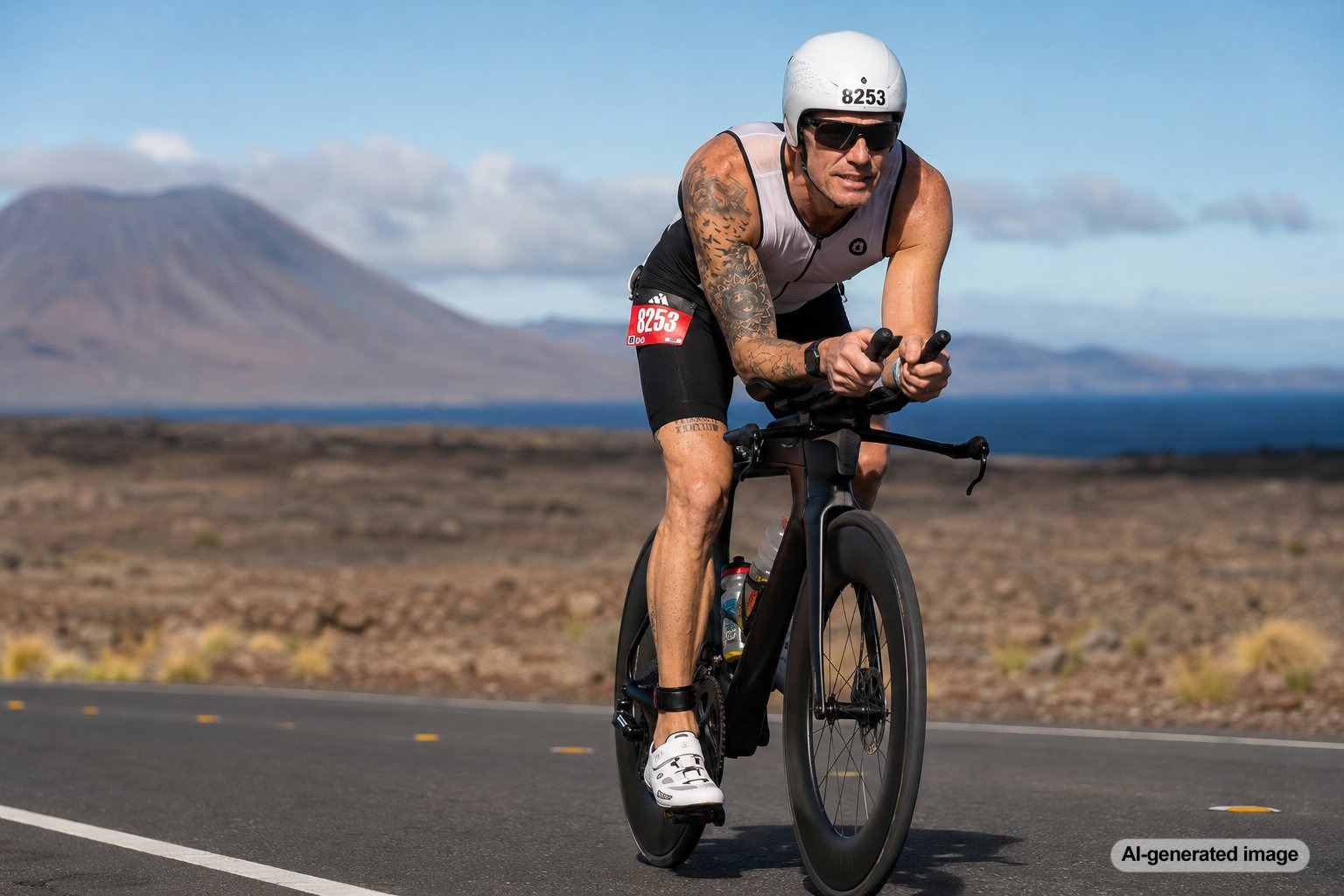
Ironman racing has a way of exposing how people make decisions when conditions are less than ideal. The race is long, unpredictable, and often uncomfortable. There is rarely a perfect choice available. Instead, athletes must evaluate information, manage risk, adapt to changing conditions, and keep moving forward.
Those same skills show up in business, leadership, family life, and adversity. Whether someone is leading a team, navigating a health challenge, building a company, or pursuing a personal goal, decision making often comes down to choosing the next right step rather than finding a flawless answer. Many of the lessons that emerge over 140.6 miles apply far beyond race day. For those interested in Greg’s background across business, endurance sports, and advocacy, visit About Greg.
Quick Answer
- Strong decisions are often built on discipline rather than emotion.
- Perfect information rarely exists, so progress matters more than certainty.
- Small decisions compound into significant outcomes over time.
- Adaptability is often more valuable than rigid planning.
- Long-term success depends on managing energy, risk, and perspective.
Decision Making Starts Long Before Race Day
One of the biggest misconceptions about Ironman racing is that success is determined on race day. In reality, many important outcomes are shaped months earlier through training choices, recovery habits, nutrition planning, and preparation.
The same principle applies to leadership and business. Major decisions often feel urgent in the moment, but their quality is usually influenced by preparation. Teams that consistently gather information, build trust, and develop strong habits tend to perform better when pressure arrives.
Good decisions are often the result of good preparation.
Managing Pace Is a Decision
Many first-time endurance athletes learn a hard lesson: going too hard too early creates problems later.
Ironman rewards patience. Athletes who chase every competitor on the bike course often pay for it during the marathon. Those who manage effort wisely usually finish stronger.
In professional life, leaders face a similar challenge. Every opportunity can appear urgent. Every project can seem important. Yet trying to maximize every short-term gain may create long-term consequences.
Decision making is not only about choosing a direction. It is also about choosing a sustainable pace.
Conditions Change, So Decisions Must Adapt
No Ironman race unfolds exactly as planned. Weather shifts. Equipment fails. Nutrition strategies need adjustment. Physical and mental conditions evolve throughout the day.
The athletes who perform best are often those who adapt quickly without becoming emotionally attached to the original plan.
Business leaders experience similar realities. Markets change. Teams grow. Unexpected challenges emerge. Effective decision makers recognize when a plan still serves the mission and when adjustments are necessary.
Adaptability is not a lack of commitment. It is a recognition that circumstances change.
Emotion Is Information, Not a Strategy
During a long race, emotions can fluctuate dramatically. Confidence may disappear for an hour and then return. Fatigue can make ordinary challenges seem overwhelming.
Experienced athletes learn an important distinction: feelings matter, but they should not always dictate decisions.
Leaders, entrepreneurs, and families face the same reality. Fear, frustration, excitement, and uncertainty all provide information. However, decisions grounded solely in emotion often create avoidable mistakes.
Strong decision makers acknowledge emotions without allowing them to take complete control.
Small Decisions Compound
An Ironman finish is not the result of one heroic moment. It is the accumulation of thousands of small decisions made before and during the race.
Hydration choices. Nutrition timing. Pacing adjustments. Recovery habits. Attention to detail matters.
The same compounding effect exists in nearly every area of life. Consistent decisions around communication, preparation, accountability, and discipline often produce outcomes that appear dramatic only in hindsight.
People frequently overestimate the impact of a single decision and underestimate the impact of hundreds of small ones.
What People Often Miss
- The goal is not always to make the perfect decision.
- Waiting for certainty can become its own risk.
- Resilience often comes from making the best decision available with the information currently available.
- Forward motion is frequently more valuable than endless analysis.
Practical Takeaways for Better Decisions
Whether on a race course or in everyday life, several practices can improve decision quality:
- Focus on the next critical step rather than the entire challenge.
- Separate temporary emotions from long-term objectives.
- Review assumptions when circumstances change.
- Think in terms of sustainable progress rather than short bursts of intensity.
- Remember that consistency often beats dramatic action.
These lessons are especially relevant for organizations looking to strengthen leadership, resilience, and performance under pressure. Greg frequently explores these themes through his speaking engagements, drawing from experiences in business leadership, endurance sports, family life, and navigating adversity.
FAQ
How does Ironman racing improve decision making?
It creates repeated situations where athletes must evaluate risk, manage resources, and make choices under physical and mental stress.
Why is pacing important in decision making?
Pacing helps balance short-term opportunities against long-term objectives. Sustainable performance often depends on avoiding early overcommitment.
What leadership lessons come from endurance sports?
Preparation, adaptability, accountability, consistency, and resilience are common themes that transfer directly to leadership environments.
Can these lessons apply outside athletics?
Absolutely. The principles of risk assessment, adaptability, discipline, and long-term thinking are relevant in business, family life, and personal growth.
Interested in bringing Greg’s message to your event or organization?
Learn more about Greg’s speaking work or get in touch to start the conversation.
Contact Greg or learn more about the Forward Motion Fund.
This article is for educational purposes only and is not medical advice. For diagnosis, treatment, or personalized medical guidance, please speak with a qualified healthcare professional.


